



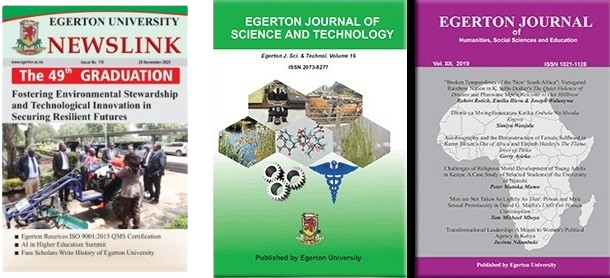
Egerton University NewsLink Magazine & Journals
By Kurian Musa
Prof. Vassey Mwaja’s Public Lecture at Egerton University raises a fundamental question about the future of higher education, scientific research and innovation in Africa: How do we harness science, technology and innovation to improve the quality of life of our people while positioning African universities as globally respected centres of knowledge and discovery?
One of the most compelling messages emerging from the lecture is that Africa must move beyond the ambition of imitating established global universities and begin building institutions that reflect its own aspirations, priorities and development challenges.
The reference to Oxford is particularly instructive. African universities should certainly benchmark themselves against institutions such as Oxford, Cambridge and Harvard, but benchmarking should not become an exercise in imitation.
We should study what these institutions do well, understand the systems that sustain their excellence, and identify practices that can be adapted to our institutional and socioeconomic contexts.
The ambition should be to make our own Oxford: institutions that are internationally respected, locally relevant, intellectually independent and capable of attracting researchers, investors and collaborators from across the world.
The inequality of knowledge production
A particularly important dimension of the lecture concerns the structural inequalities confronting African researchers in global knowledge production.
Research excellence is frequently measured through publications, citations, patents, technology transfer and commercialisation of discoveries. These are legitimate indicators of research performance and institutional competitiveness. However, the question is whether African researchers have equitable opportunities to participate in the systems through which these indicators are generated and recognised.
Consider the cost of publishing in internationally recognised journals. Article processing charges can reach thousands of US dollars. For a researcher working in an African public university, US$3,000 could represent resources that would otherwise support laboratory operations, field research, postgraduate students or another research experiment.
This creates a troubling paradox: researchers are encouraged to publish internationally, but the financial architecture of international publishing can exclude precisely those researchers whose work needs greater global visibility.
Similarly, access to subscription-based scientific journals remains a challenge for institutions with limited library budgets. The result is an uneven research ecosystem in which the capacity to produce knowledge does not always translate into the capacity to disseminate, access or benefit from it.
We must therefore rethink the research publishing ecosystem and explore stronger institutional repositories, open-access platforms, regional journals, publishing consortia and more equitable funding arrangements.
African research must be visible, accessible and influential.
The North–South partnership question: Who owns the research?
Perhaps the most thought-provoking issue raised in the lecture is the imbalance in North–South research collaborations.
International research partnerships are essential. They provide opportunities for access to advanced technologies, specialised expertise, research infrastructure and funding. However, collaboration must not become a mechanism through which African researchers supply data, facilitate fieldwork and provide contextual knowledge while strategic decisions, intellectual ownership and international recognition remain concentrated elsewhere.
There is a fundamental difference between being invited to participate in research and being empowered to lead it.
Who determines the research questions? Who controls the budget? Who owns the data? Who leads the publication? Who holds the intellectual property? Who benefits when a discovery is commercialised?
These are not peripheral administrative questions. They go to the heart of research sovereignty and equity.
African researchers must be involved from the conception of research ideas through proposal development, implementation, analysis, publication, intellectual property management and commercialisation.
Equitable partnerships should guarantee meaningful African leadership, fair authorship arrangements, shared governance, transparent resource allocation and mutually agreed benefit-sharing mechanisms.
We should not simply be research sites for the rest of the world. We must be intellectual partners, research leaders and co-owners of scientific discoveries.
The case for South–South collaboration
The lecture also invites us to reflect on the potential of South–South research collaboration.
African universities cannot depend exclusively on partnerships with institutions in Europe and North America to build their research capabilities. There is considerable value in strengthening collaboration among African universities and expanding partnerships with institutions in Asia, Latin America and other parts of the Global South.
These partnerships can help institutions pool research infrastructure, share expertise, mobilise resources and address common development challenges.
Imagine African universities establishing joint research laboratories, shared doctoral programmes, regional innovation hubs, collaborative grant schemes and interconnected scientific publishing platforms.
Such arrangements would strengthen research capacity while creating opportunities for African researchers to determine their own research priorities.
South–South collaboration should, however, be judged by its outcomes rather than the number of memoranda of understanding signed. The real test is whether it produces joint discoveries, stronger institutions, improved research financing, technological innovation and tangible benefits for communities.
From publications to innovation and societal impact
Another important message is the need to connect research with innovation and commercialisation.
Universities must move beyond the traditional understanding of academic excellence as the production of publications alone. Research should also generate technologies, products, services, policies and solutions that respond to societal needs.
The commercialisation of discoveries is important, but it should not become an end in itself. Universities must balance commercial returns with public value, social impact and national development priorities.
For example, research in agriculture should contribute to food security and climate resilience. Medical and pharmaceutical research should strengthen healthcare systems. Engineering and technological research should address infrastructure, manufacturing and industrial productivity.
This requires stronger university–industry partnerships, technology transfer offices, incubation centres, innovation financing and policies that support the translation of research into practical solutions.
The ultimate measure of research excellence should include not only what we publish, but also what we create, what we solve and how we improve people's lives.
What should Egerton University and other African universities do?
The discussion offers an opportunity for African universities to translate these ideas into institutional action.
Several priorities stand out:
1. Develop distinctive research identities: Universities should identify areas of comparative advantage and invest in becoming recognised centres of excellence in those fields.
3. Promote equitable international partnerships: Research agreements should explicitly address leadership, authorship, data governance, intellectual property and benefit sharing.
4. Invest in African publishing platforms: Universities should support credible, accessible and internationally visible African journals and repositories.
5. Strengthen South–South networks: African institutions should establish practical research collaborations that pool expertise, infrastructure and funding.
6. Improve research commercialisation: Universities should build the capacity to protect intellectual property, support innovation and translate discoveries into products and services.
7. Measure impact beyond publications: Institutional performance frameworks should recognise research leadership, policy influence, community impact, innovation and contributions to national development.
By Kurian Musa, Communication Officer Egerton University
By John Emeripus
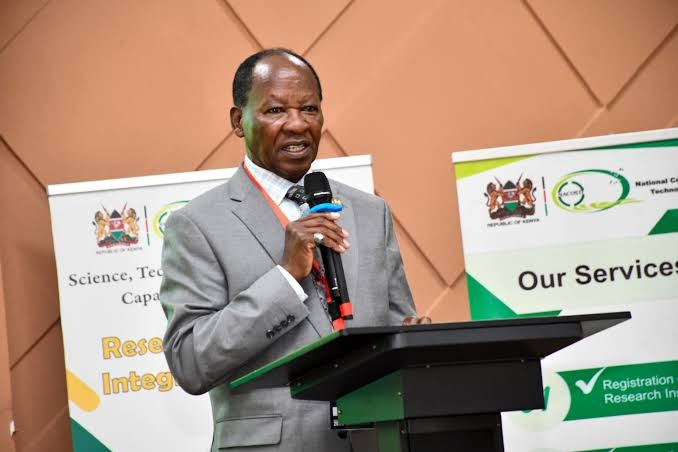
When Egerton University speaks of shaping leaders from humble origins, few stories capture that spirit better than that of Prof. Vasey N. Mwaja.
A world-renowned agricultural scientist, researcher, and science-policy expert, Prof. Mwaja today serves as the Non-Executive Chairperson of the Board of the National Commission for Science, Technology and Innovation (NACOSTI).Yet, long before guiding national research regulation, his journey began at Egerton University, where he earned a Diploma in Horticulture with distinction.
He later returned in 1988 as a lecturer and researcher at the Njoro Main Campus, launching a career that would take his expertise onto the world stage.
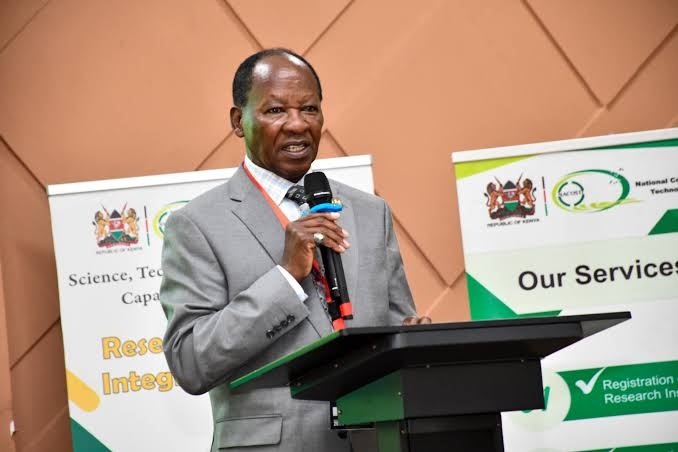 Building on his foundation at Egerton, Prof. Mwaja pursued advanced studies in the United States, earning a Bachelor’s degree in Agricultural Sciences, a Master’s in Plant Science from California State University, Fresno, and a PhD in Agriculture from the University of Illinois at Urbana-Champaign.
Over three decades of leadership, he has spearheaded crucial agricultural initiatives as a Senior Programme Officer in Crop Management at the Bill & Melinda Gates Foundation.
He chaired the National Council for Science and Technology (NCST) before its transition into NACOSTI, served on the board of KEPHIS, and contributed to the Council of Scientific Advisers for the International Centre for Genetic Engineering and Biotechnology (ICGEB).
Today, he also serves as Editor-in-Chief of the Kenya National Academy of Sciences and Vice-Chairperson for Scientific Programmes at the African Scientific Research and Innovation Council (ASRIC).
Prof. Mwaja’s lifetime of excellence has earned him high international honours, including fellowships with the International Science Council, the Royal Society of Biology (UK), and the Kenya National Academy of Sciences.
In 2026, he was awarded the prestigious Alumni Career Achievement Award by the University of Illinois’s College of Agricultural, Consumer and Environmental Sciences.
At the center of Kenya’s efforts to strengthen research governance and turn scientific discoveries into practical solutions, Prof. Mwaja stands as a proud testament to Egerton University's enduring commitment to transforming lives through quality education.
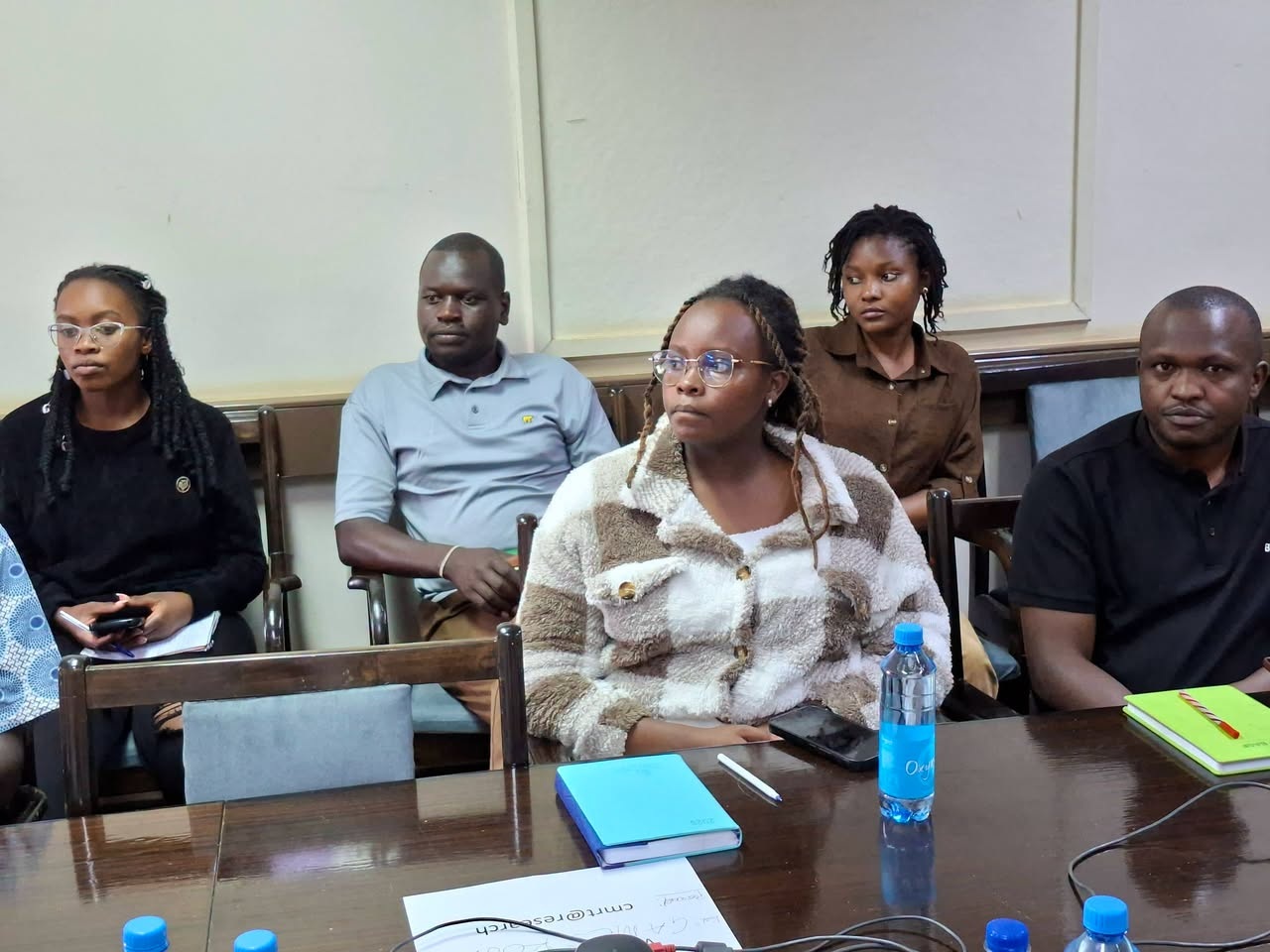
Egerton University has reaffirmed its commitment to strengthening research quality, integrity and competitiveness through a capacity-building training programme on research ethics and proposal writing aimed at enhancing researchers' capacity to develop credible, competitive and impactful research proposals.
The training was organised by the University's Directorate of Research and Extension, headed by Prof. George Owuor, as part of ongoing institutional efforts to strengthen research capacity, promote responsible research practices and improve the quality and success of research proposals.
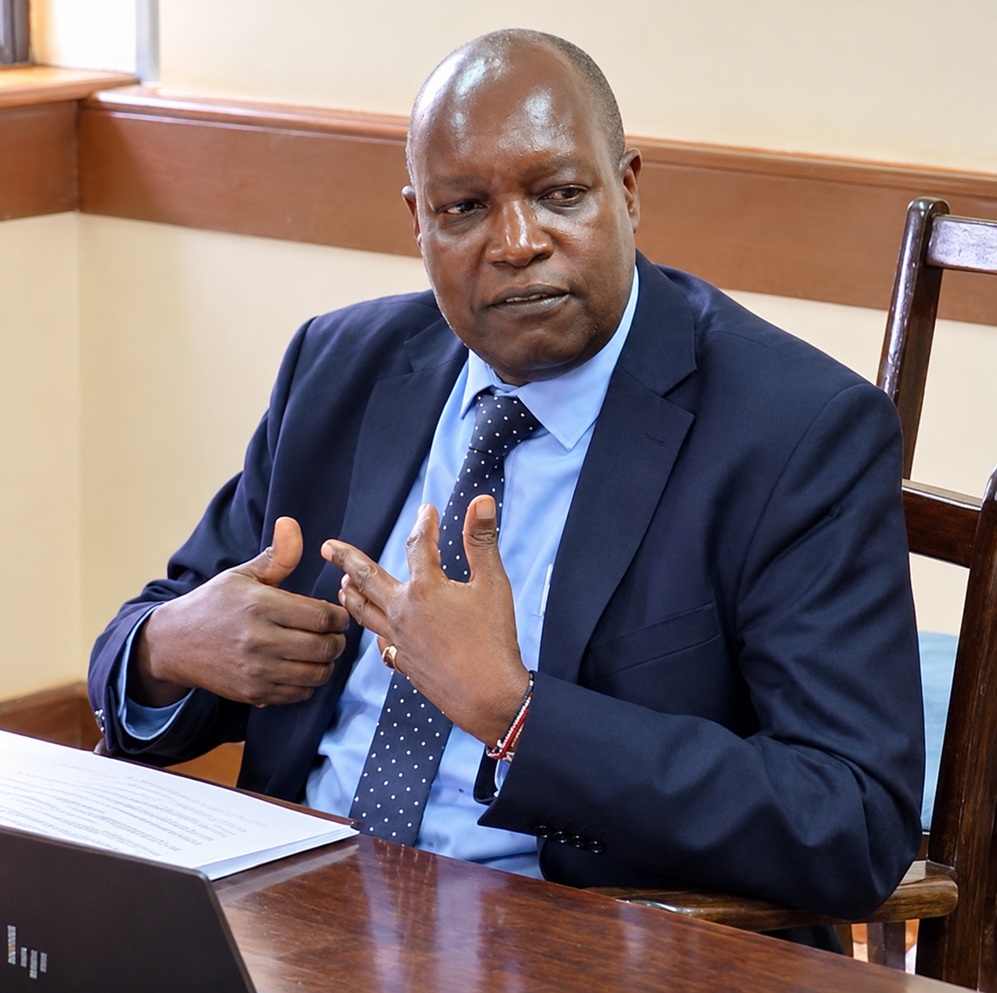
Acting Deput Vice-Chancellor (Administration, Finance and Planning), Prof. Julius Kipkemboi, addresses participants during the research ethics and proposal writing training at Egerton University. Prof. Kipkemboi urged researchers to uphold ethical standards, scientific integrity, and align their work with societal needs.
The programme brought together expertise and institutional perspectives from key national research and funding organisations, including the National Research Fund (NRF), represented by Dr. Teresia Nyawera, and the Kenya Agricultural and Livestock Research Organization (KALRO), represented by Dr. Jack Ouda.
The engagement provided participants with an opportunity to deepen their understanding of research ethics, proposal development, scientific writing and the importance of aligning research initiatives with national development priorities and societal needs.
A central focus of the training was the need for researchers to uphold ethical standards throughout the research process. Participants were encouraged to ensure integrity, accountability, transparency and compliance with established research guidelines, recognising that credible research must be founded on sound ethical principles.
The sessions also emphasised the importance of developing well-structured, evidence-based and competitive research proposals capable of attracting funding while addressing practical challenges in society. Researchers were encouraged to strengthen their scientific writing skills, clearly articulate research objectives and demonstrate the relevance, feasibility and expected impact of their proposed projects.
Participants follow deliberations during the training organized by Egerton University's Directorate of Research and Extension. The session focused on research ethics, scientific writing, and developing competitive research proposals.
In his closing remarks, Acting Deputy Vice-Chancellor, Administration, Finance and Planning, Prof. Julius Kipkemboi, called on researchers to embrace ethical research practices and translate the knowledge gained into improved research performance.
He observed that research should go beyond the production of academic publications and contribute meaningfully to the advancement of knowledge, institutional development and the resolution of societal challenges.
Prof. Kipkemboi emphasised that adherence to established research ethics and guidelines was fundamental to safeguarding the credibility, reliability and integrity of research outcomes.
He expressed optimism that the training would contribute to improved research activities at the University, particularly in developing competitive proposals, strengthening research partnerships and promoting research that responds to societal needs.
He further acknowledged the contributions of the facilitators and participating institutions, noting the importance of sustained collaboration in building institutional research capacity.
The training reflects Egerton University's continued commitment to strengthening its research and innovation agenda, expanding strategic partnerships and positioning its researchers to compete effectively for research funding while delivering solutions to contemporary development challenges.
John Emeripus,
Communication Manager,
Egerton University.
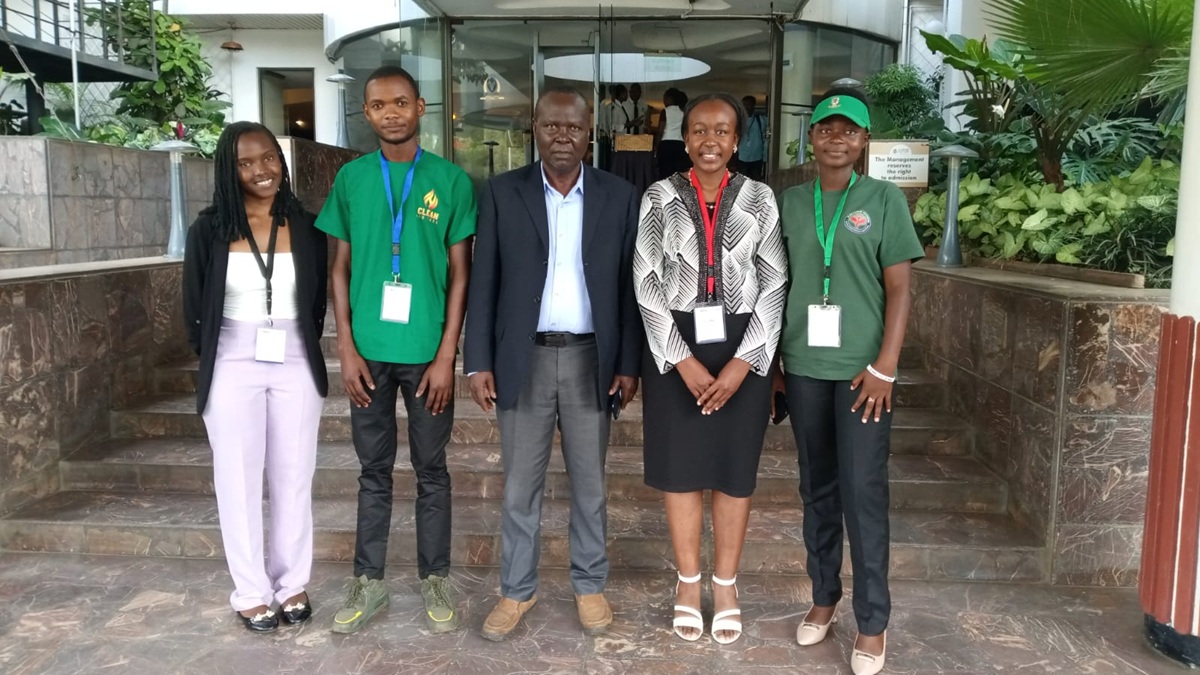
Four student innovators demonstrate how investment in entrepreneurship training, mentorship and innovation development can unlock homegrown solutions to challenges in food security, health, education and climate change.
What happens when young people are given the skills, mentorship and opportunity to turn their ideas into solutions for society's most pressing challenges? At Egerton University, the answer is increasingly visible in the innovations emerging from its students.
Four Egerton University (EU) students recently took this promise to the national innovation stage, earning places among the finalists at the Campus Spark Hackathon held in Nairobi on October 29–30.
Their innovations, spanning agriculture and food security, health and wellbeing, digital transformation and artificial intelligence, and climate action, offer a glimpse into the potential of student-led research and creativity to address real-world development challenges.
Organized by the Network of Entrepreneurial Institutions Leaders (NEIL), the two-day hackathon brought together emerging innovators to showcase ideas, develop solutions and engage with the wider entrepreneurship and industry ecosystem.
For the four students, reaching the finals was more than a competition milestone. It was an opportunity to test their ideas, communicate their value, receive exposure beyond the university environment and connect with people and networks that could help move their innovations closer to practical application.
Representing the Agriculture and Food Security category, Risper Olang presented Vertical Victory Gardens, an innovation focused on the potential of vertical gardening to contribute to food production and food security.
In the Health and Wellbeing category, Brooklyn Simiyu showcased Probiotic Enriched Indigenous African Herbal Tea, an innovation that brings together indigenous African herbal knowledge and probiotic enrichment, exploring opportunities at the intersection of local resources, food innovation and wellbeing.
Laurette Achieng Omondi represented the Digital Transformation and AI category with STEMHER Quest, an innovation whose focus on STEM and digital engagement speaks to the importance of expanding opportunities for participation in science, technology, engineering and mathematics.
Meanwhile, in the Climate Action and Green category, George Odhiambo presented Clean Bio Fuel, an innovation aligned with the search for cleaner and more sustainable energy alternatives.
Although different in focus, the four innovations share a common thread: the desire to translate ideas into solutions that respond to societal needs. They also demonstrate the value of nurturing innovation across disciplines and encouraging students to view their knowledge not only as an academic achievement but also as a resource for solving practical problems.
Behind the students' achievement is a process of learning, experimentation, mentorship and exposure.
The students have benefited significantly from boot camp training and related capacity-building engagements that have equipped them with practical skills in innovation development, pitching and networking with industry players. These experiences have helped them refine their ideas, articulate the problems they seek to address and appreciate the pathways through which innovations can progress from concept to potential application.
Their experience illustrates an important dimension of university-based innovation: promising ideas need more than technical knowledge to succeed. They require an enabling ecosystem that provides mentorship, opportunities for validation, access to networks, entrepreneurial skills and linkages to potential collaborators and investors.
It is this connection between knowledge creation and real-world application that makes investment in innovation training and technology transfer particularly important.
Pictured with the four finalists is Egerton University's Technology Transfer Manager, Dr. Joseph S. Momanyi, whose work supports the university's innovation and technology transfer agenda.
The students' achievement reinforces the importance of sustained institutional support in building an innovation pipeline that identifies promising ideas, strengthens their development and creates opportunities for engagement with industry and other innovation ecosystem actors.
For the research and development community, the four innovations represent more than student projects. They point to opportunities for further research, interdisciplinary collaboration, product development, testing, validation and potential commercialization.
For development partners and donors, their journey underscores the value of investing in the people, skills and institutional structures that enable innovation to thrive.
Support for boot camps, mentorship, prototyping, research translation, intellectual property management and industry engagement can help bridge the gap between promising ideas and solutions capable of delivering measurable societal benefits.
The next step is to build on this momentum by creating opportunities for the students to further develop and validate their innovations, connect with relevant technical experts, access resources and engage potential implementation and investment partners.
As universities increasingly embrace their role as drivers of innovation and socio-economic transformation, stories such as these demonstrate why nurturing young innovators matters.
At Egerton University, these four students are showing what is possible when creativity meets opportunity, and when academic learning is supported by practical innovation training and exposure.
This is a testament that some of tomorrow's solutions to Africa's development challenges may already be taking shape in university classrooms, laboratories and innovation spaces. What they need is the right ecosystem to grow.
Egerton University congratulates Risper Olang, Brooklyn Simiyu, Laurette Achieng Omondi and George Odhiambo for representing the University at the Campus Spark Hackathon finals and contributing to a growing culture of student-led innovation.
By Musa Kurian / Communication Officer Egerton University