



By Kurian Musa
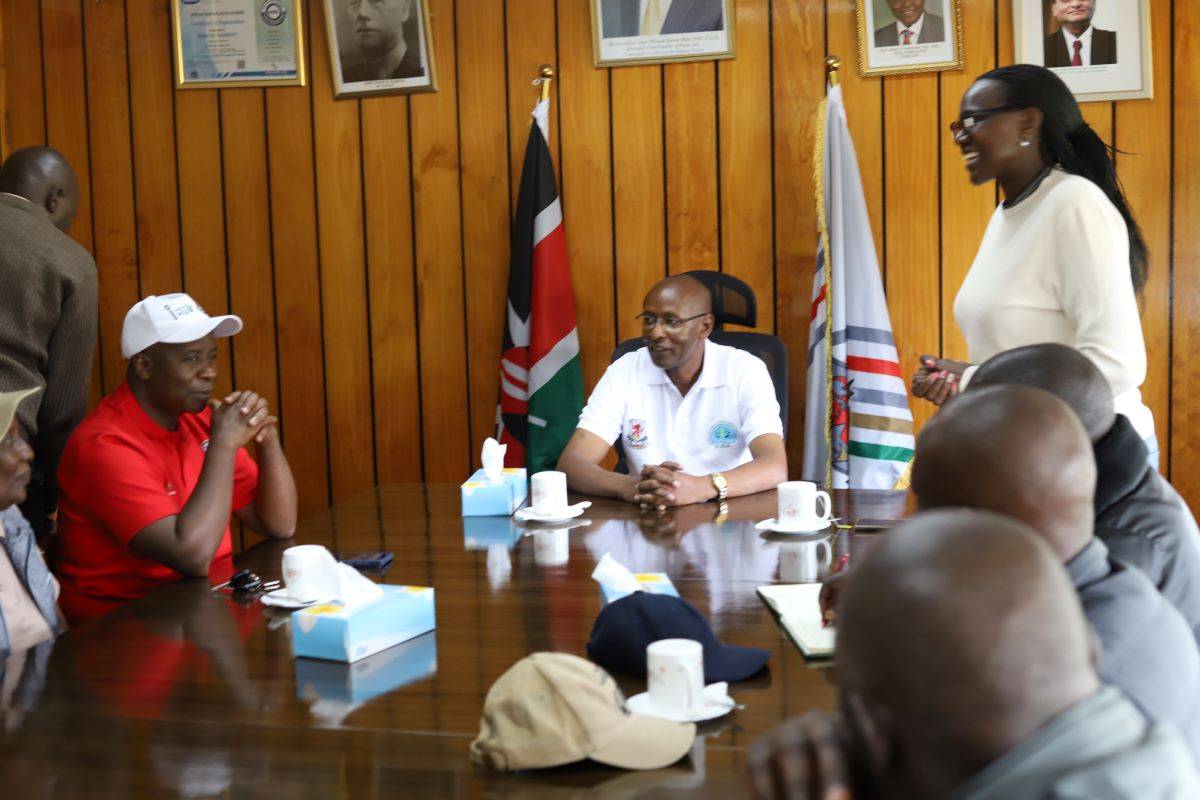
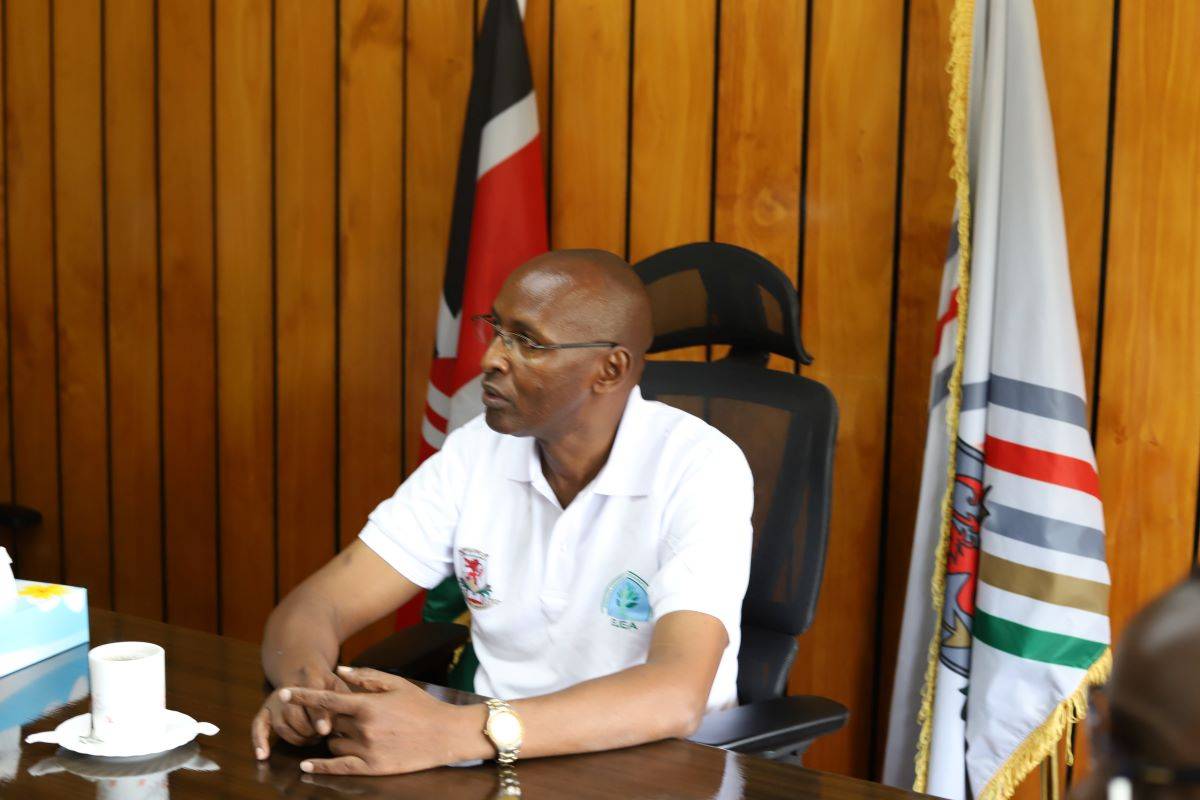
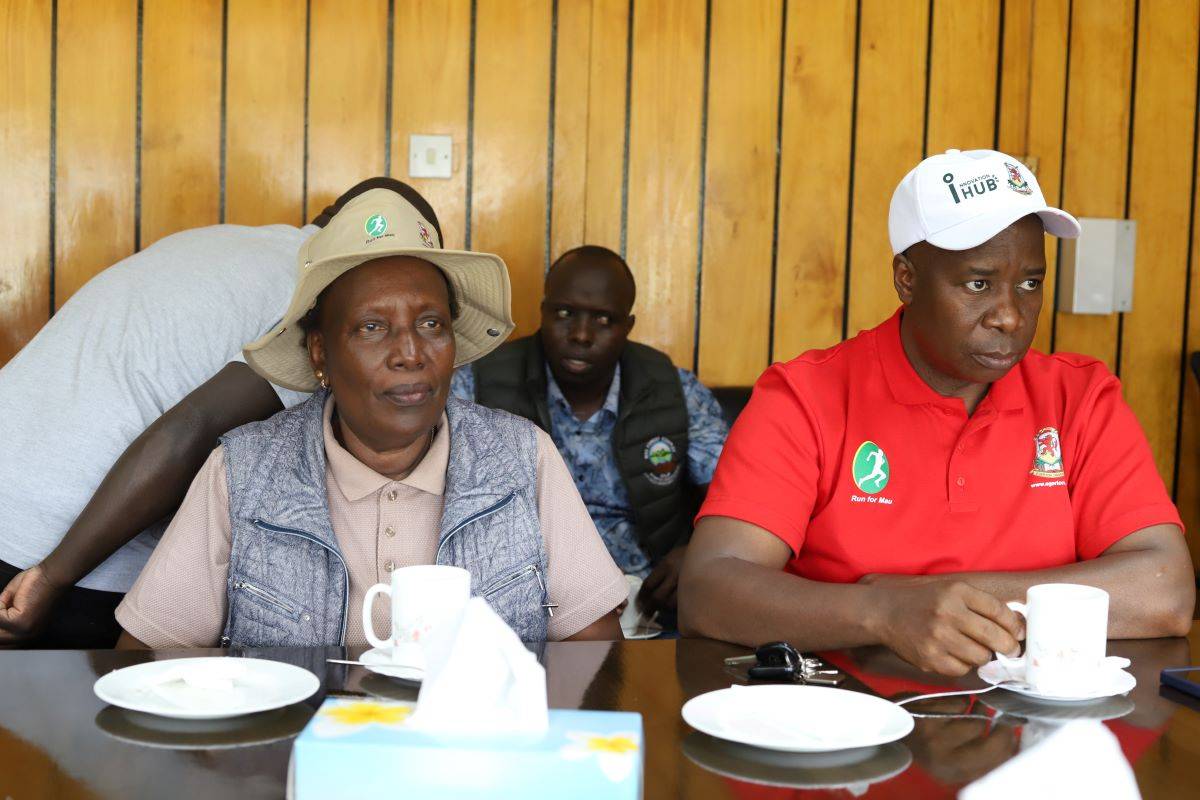
It was a busy day at Egerton University as Prof. George Muthaa (DVC, Administration, Finance and Planning) stepped in for the Vice-Chancellor to host a heavy-hitting delegation from the Ministry of Environment and Climate Change.
The mission? A high-stakes environmental engagement centered on the restoration of River Njoro.
The star of the show was the Jumbo Bamboo. This isn't just any plant; it’s a powerhouse for riparian restoration. Because it grows at lightning speed and possesses an incredibly dense, mat-like root system, it acts as a natural anchor for riverbanks.
Participants noted its "thirsty" nature is actually a blessing—it excels at water retention and stabilizing soil that would otherwise wash away during heavy rains.
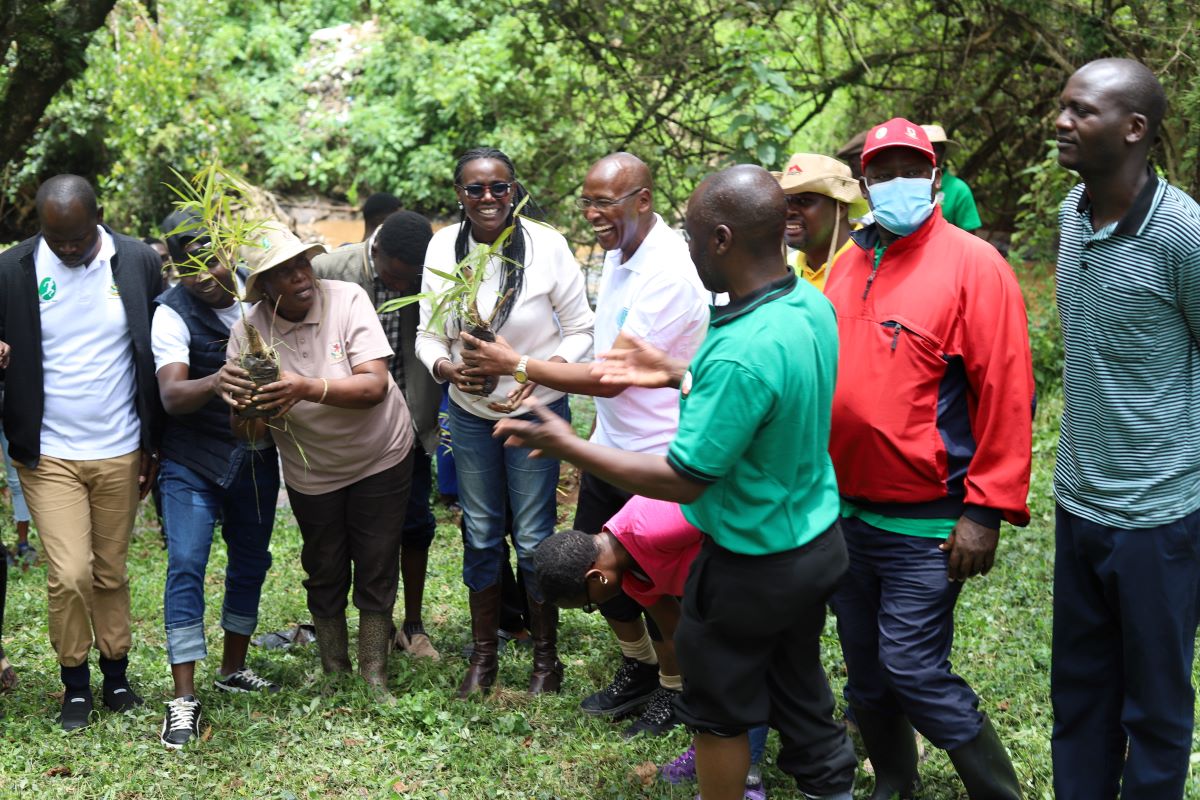
The visiting team from the Ministry’s MFC-ICLIP office was led by someone who knows these grounds well: Vicky Betty. A 2008 alumna of Egerton’s Faculty of Environment, her leadership in this project perfectly illustrates how the university's "green" legacy continues through its graduates.
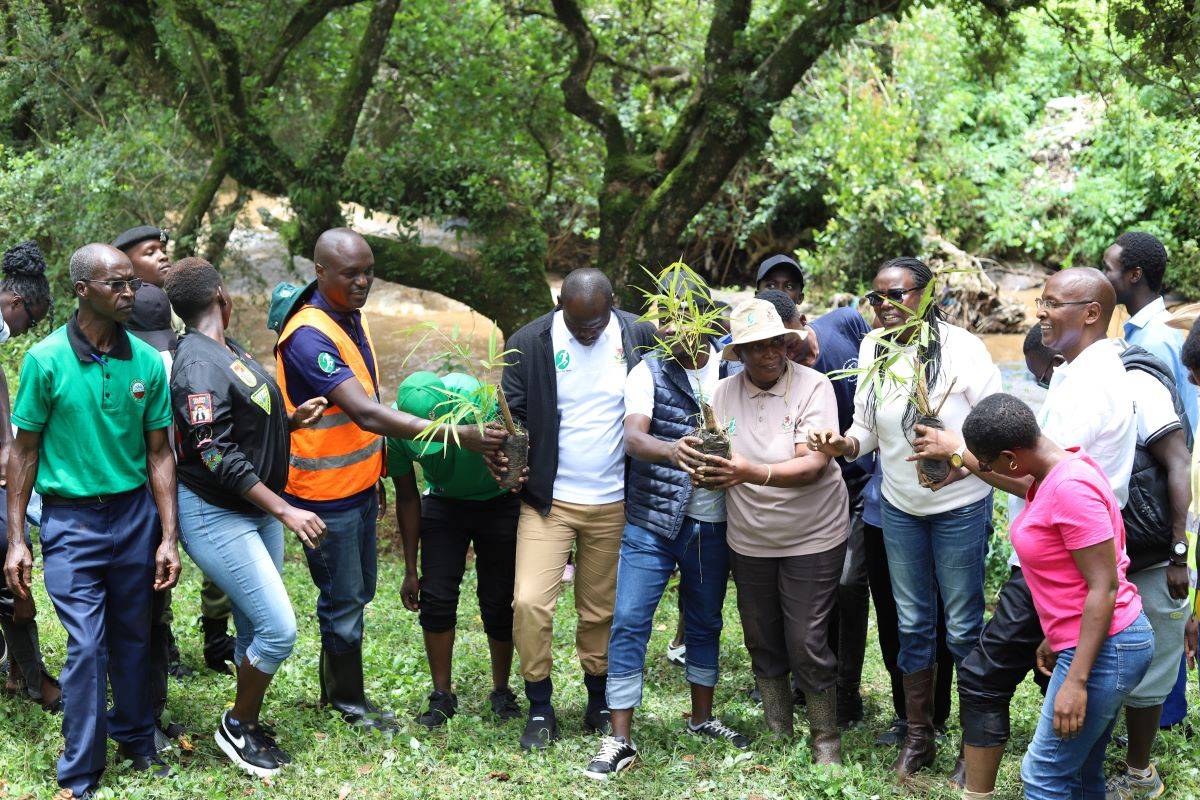
She was joined by researchers from the Kenya Forest Research Institute (KEFRI), led by Dr. Edward Meng’ich, and representatives from the National Environment Trust Fund.
It wasn't just a meeting of suits and scientists, though. The engagement brought together a diverse crowd from the Njokerio hamlet and Beeston, including local chiefs, students, and university leadership like Prof. George Ogendi and Dr. Nzula Kitaka.
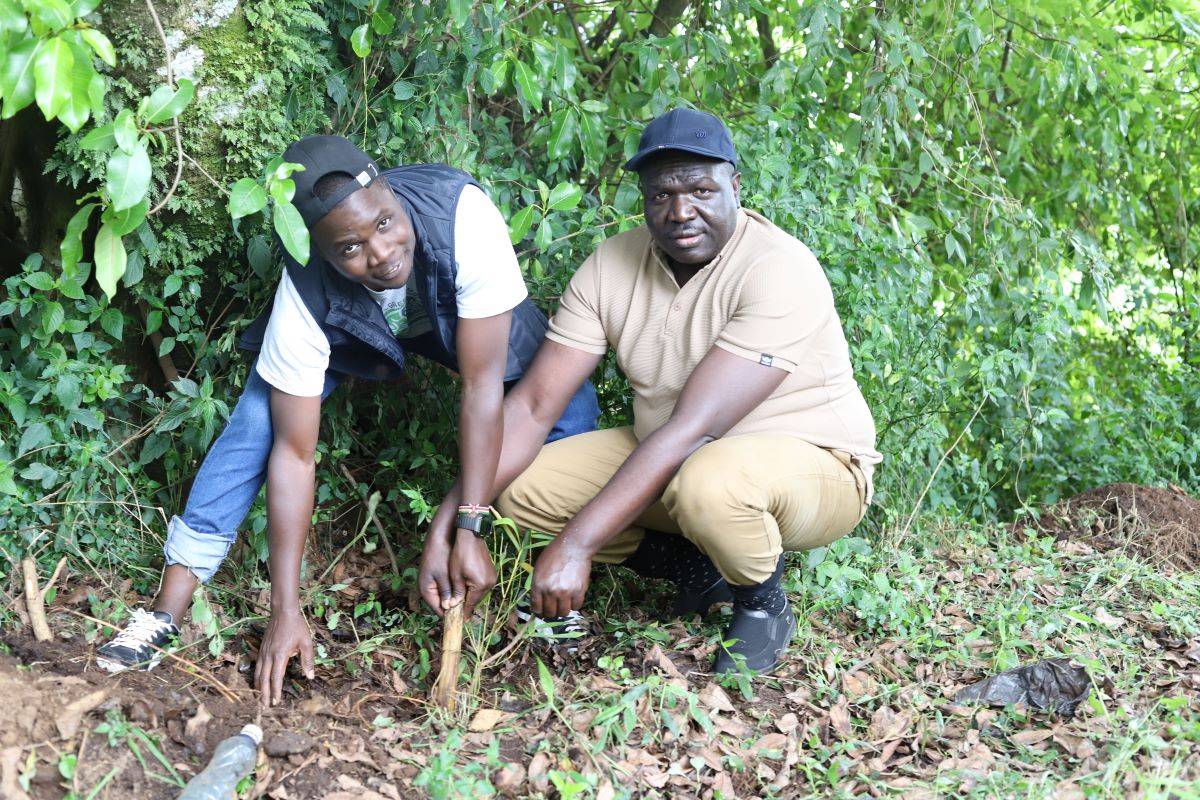
The message was clear: protecting the river is a shared responsibility.
Beyond saving the ecosystem, the team highlighted the "green gold" potential of the crop. Once mature, Jumbo Bamboo provides the community with sustainable materials for construction, crafts, and even renewable energy.
By uniting government policy, academic research, and local action, this initiative ensures that River Njoro remains a lifeline for the region while providing new economic paths for those who live along its banks.