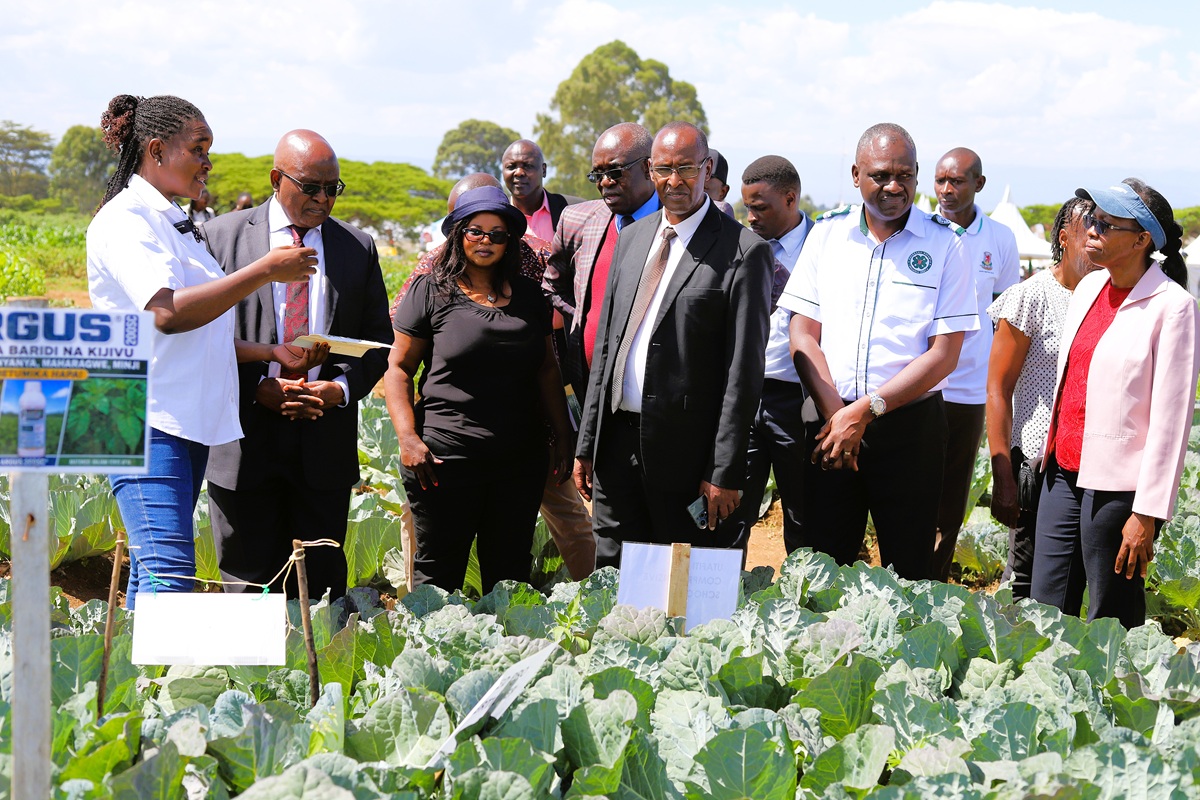





In a meeting with Egerton University Vice Chancellor Prof. Isaac Kibwage, government officials, university leaders and agricultural industry representatives welcomed the revival of the 4K-Club programme, a school-based initiative aimed at introducing young people to farming.
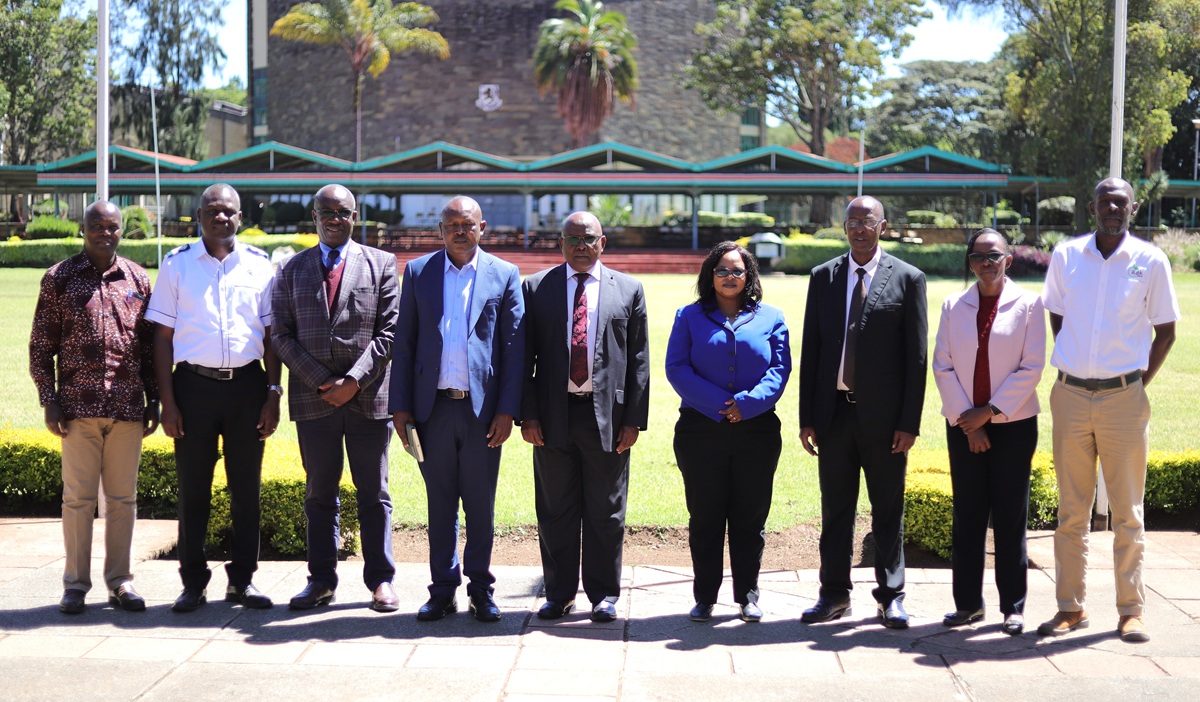
Egerton University Vice-Chancellor Prof. Isaac Kibwage pose for a photo after a high-level stakeholders’ courtesy call on the revitalization of the 4K-Club programme at the University. The initiative seeks to inspire young people to embrace modern agriculture and agribusiness. (Photo: Kurian Musa/Egerton University)
Hosted at Egerton University’s Njoro campus, the discussions highlighted the need to prepare a new generation of farmers as Kenya confronts an ageing agricultural workforce and growing food security challenges. He explained that the problem of young people not getting attracted to Agriculture is historical.
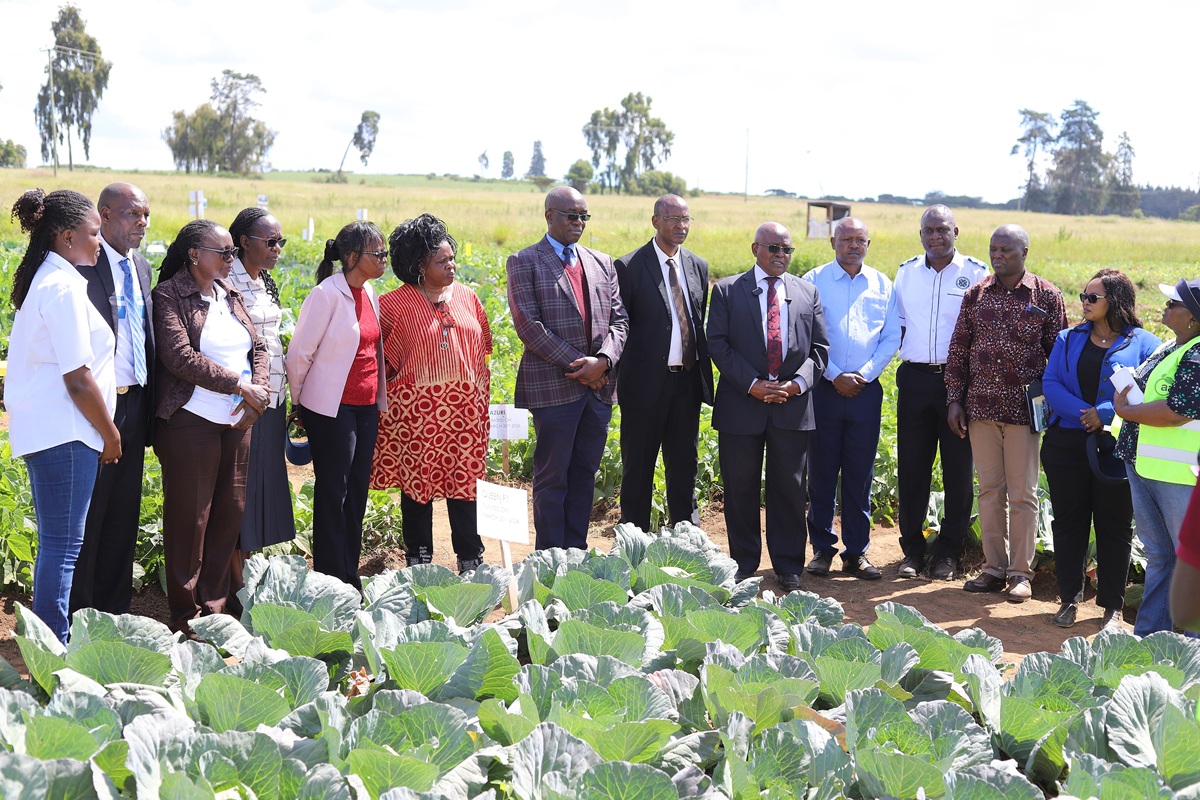
Vice-Chancellor Prof. Isaac Kibwage addresses stakeholders during discussions on reviving the 4K-Club framework, emphasizing the need to reconnect young people with agriculture and protect Kenya’s shrinking arable land. (Photo: Kurian Musa/Egerton University)
“Our parents began this. They told us to go to school and get better jobs. That if we failed, we will be back to the farm to do farming with them, a job for those who don’t go to school and a last resort, so it was fashioned that Agriculture is for people in villages who don’t go to school,” Prof Kibwage explained in an interview.
The revived programme is not a return to traditional school gardens. Instead, it combines agriculture with science, technology and entrepreneurship, exposing students to innovations such as drones, smart irrigation systems and digital farm management tools.
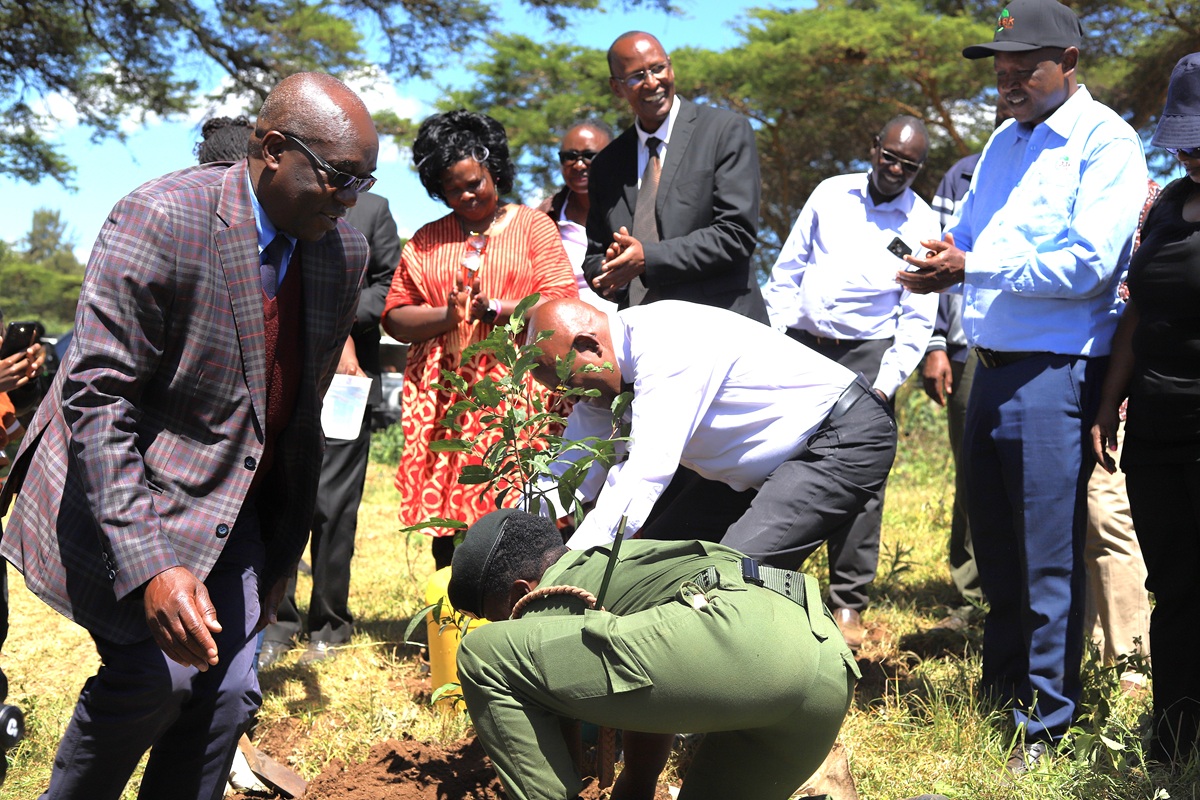 Vice-Chancellor Prof Isaac Kibwage planting a tree during the 4K-Club revitalization forum that brought together academia, government, and industry stakeholders. (Photo: Kurian Musa/Egerton University)
“We had the 4K-Club during our days in primary and secondary schools, and this disappeared,” said Prof. Kibwage. “It was a mistake when it stopped functioning. I am glad it is back to assist young people.”
An ageing farming population
The initiative comes amid concerns about a widening demographic gap in Kenya’s agricultural sector.
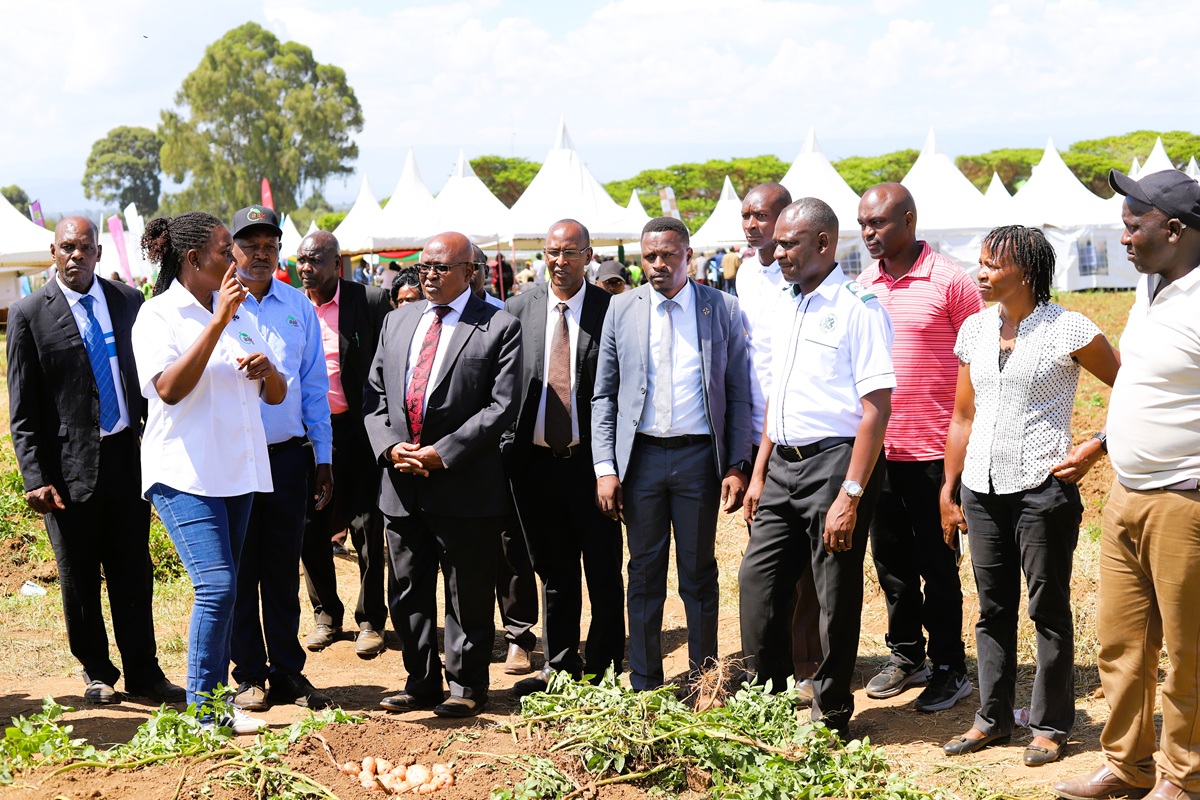
Crop Life field Officer making an explanation during the 4K-Club stakeholders’ forum, underscoring the importance of linking classroom learning with practical farming experience to secure Kenya’s agricultural future. (Photo: Kurian Musa/Egerton University
Representatives at the meeting noted that the average Kenyan farmer is now over 50 years old, while many young people continue to view farming as unattractive and financially unrewarding. This disconnect has raised concerns about the future of food production.
Prof. Kibwage also highlighted the continued subdivision of productive farmland into smaller plots, which reduces efficiency and increases pressure on marginal agricultural areas.
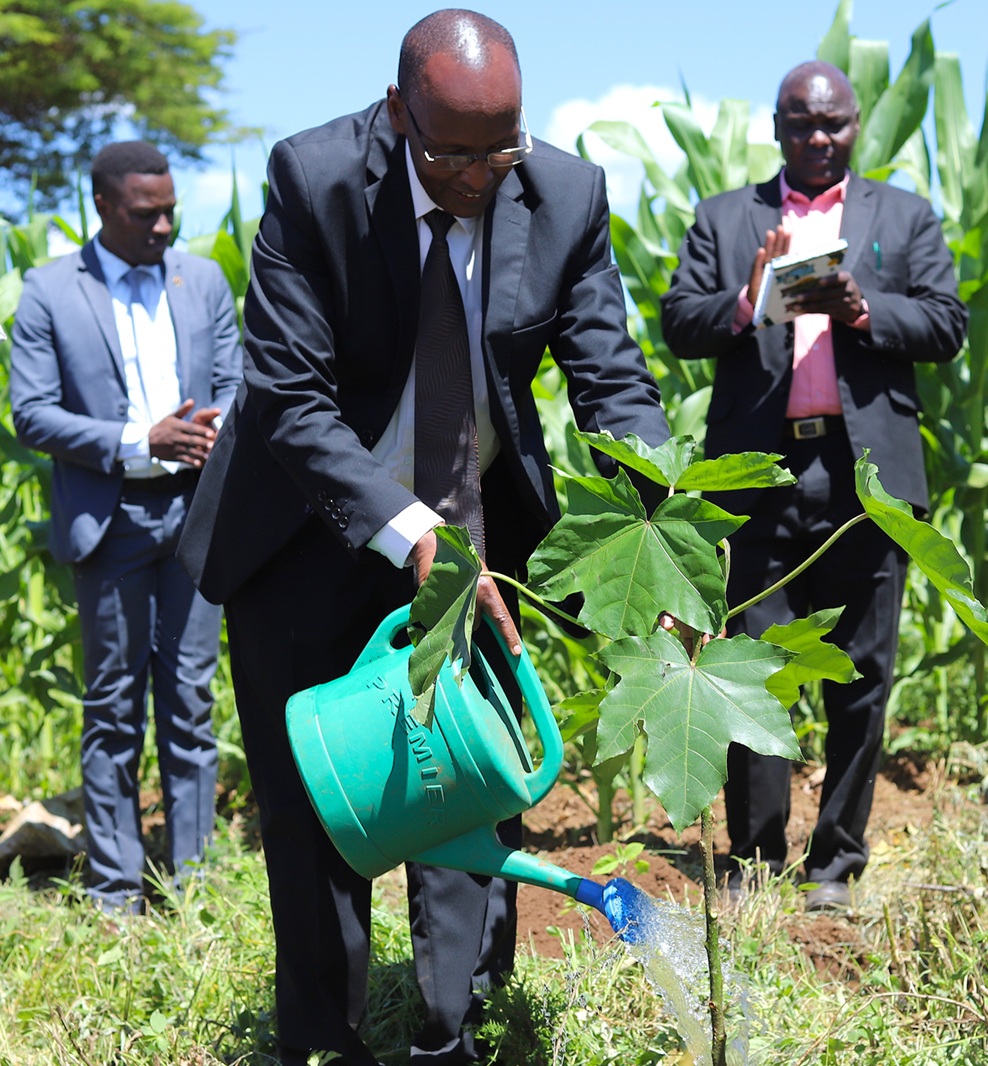
Deputy Vice-Chancellor (Administration, Finance and Planning) Prof. George Muthaa planting a tree during the 4K-Club revitalization forum that brought together academia, government, and industry stakeholders. (Photo: Kurian Musa/Egerton University)
Agricultural experts warn that the combination of an ageing farming population and shrinking farm sizes could pose a long-term threat to national food security.
Food safety starts in the classroom
Beyond production, the new 4K-Club framework will emphasise food safety and responsible farming practices.
Industry representatives stressed that Kenya must strengthen safe agricultural practices to remain competitive in regional and international markets. One key concern is the misuse of pesticides, which can affect both public health and export opportunities.
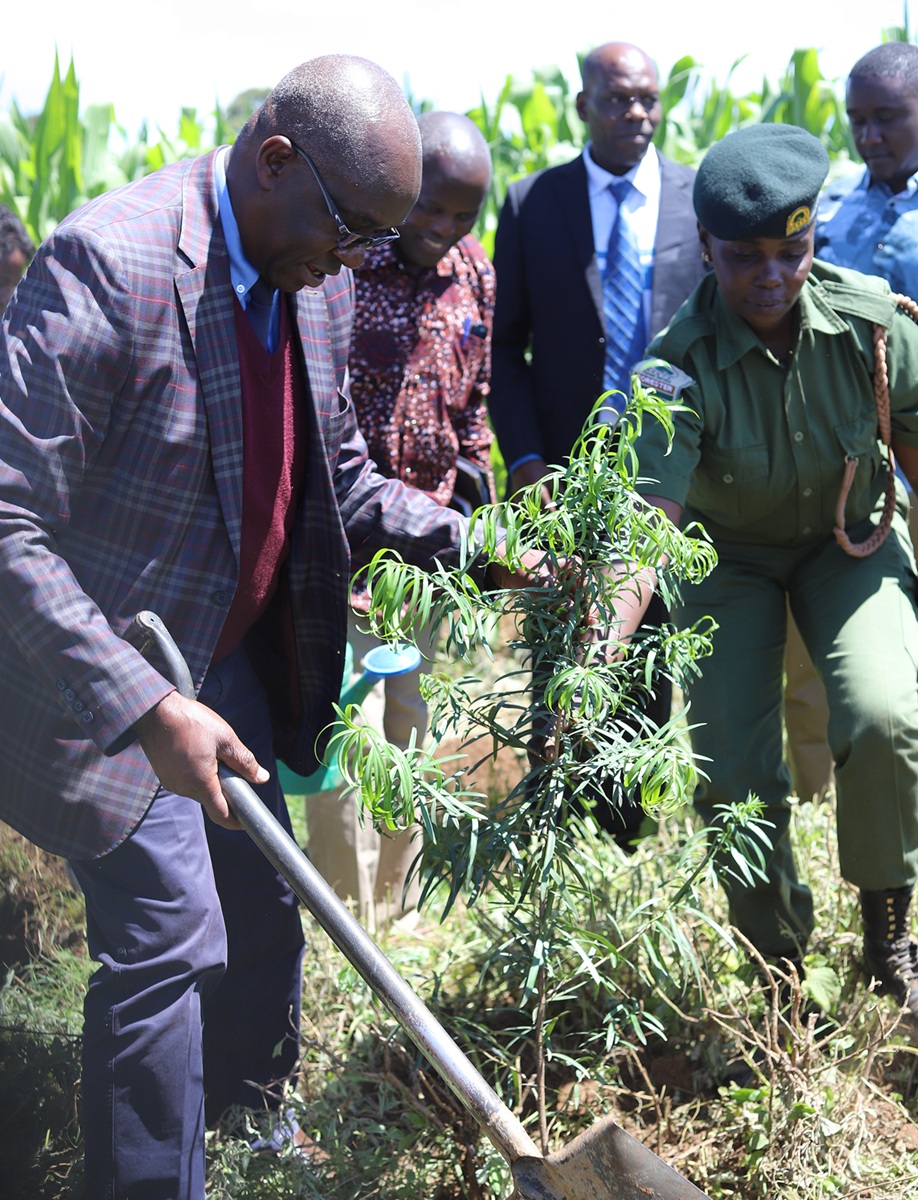
Deputy Vice-Chancellor (Academics, Research and Extension) Prof. Bernard Aduda planting a tree during a strategy meeting aimed at transforming agriculture into an attractive, technology-driven career for the youth. (Photo: Kurian Musa/Egerton University)
The programme seeks to introduce food safety principles from primary school through higher agricultural training. Industry partners also plan to expand professional development opportunities for agricultural practitioners.
According to representatives, more than 3,000 young people have already been trained as Spray Service Providers (SSPs), although many small-scale farmers are yet to embrace the services because of cost concerns.
Making farming relevant to digital natives
Technology is expected to play a central role in attracting young people to agriculture.
Egerton University has set aside a demonstration farm and innovation hub where students will gain exposure to emerging technologies, including drone-assisted crop monitoring, precision agriculture and digital irrigation systems.
“We need practical ways of making agriculture attractive to young people,” said Bernard Aduda, Deputy Vice Chancellor Academics Research and Extension.

A representative from CropLife East Africa (Left) planting a tree with Vice Chancellor Prof Isaac (Centre) and Crop Life Country CEO (Right) during the forum, highlighting the urgent need to lower the average age of Kenyan farmers by attracting more young people into agribusiness. (Photo: Kurian Musa/Egerton University)
He also encouraged greater use of community media platforms, including Egerton University Radio, to help translate scientific research into practical information for farmers.
Under the revived programme, students will be introduced to STEM education, ethical farming, environmental conservation, community leadership and agribusiness skills.
Looking beyond the classroom
Organisers envision a continuous pathway that begins in primary school, progresses through Young Farmers Clubs and links students to higher agricultural education and careers.
Deputy Vice Chancellor Administration, Finance and Planning Prof. George Muthaa said the programme could help bridge the gap between classroom learning and practical farming experience.
With limited arable land, climate pressures and a growing population, Kenya will need a new generation of farmers who are as comfortable using data and drones as they are working in the field. Supporters say the revived 4K-Club is a step towards building that future.