



Egerton University has commenced a comprehensive institutional assessment of its medical programmes, reaffirming its commitment to academic excellence, regulatory compliance, and continuous quality improvement in health sciences education.
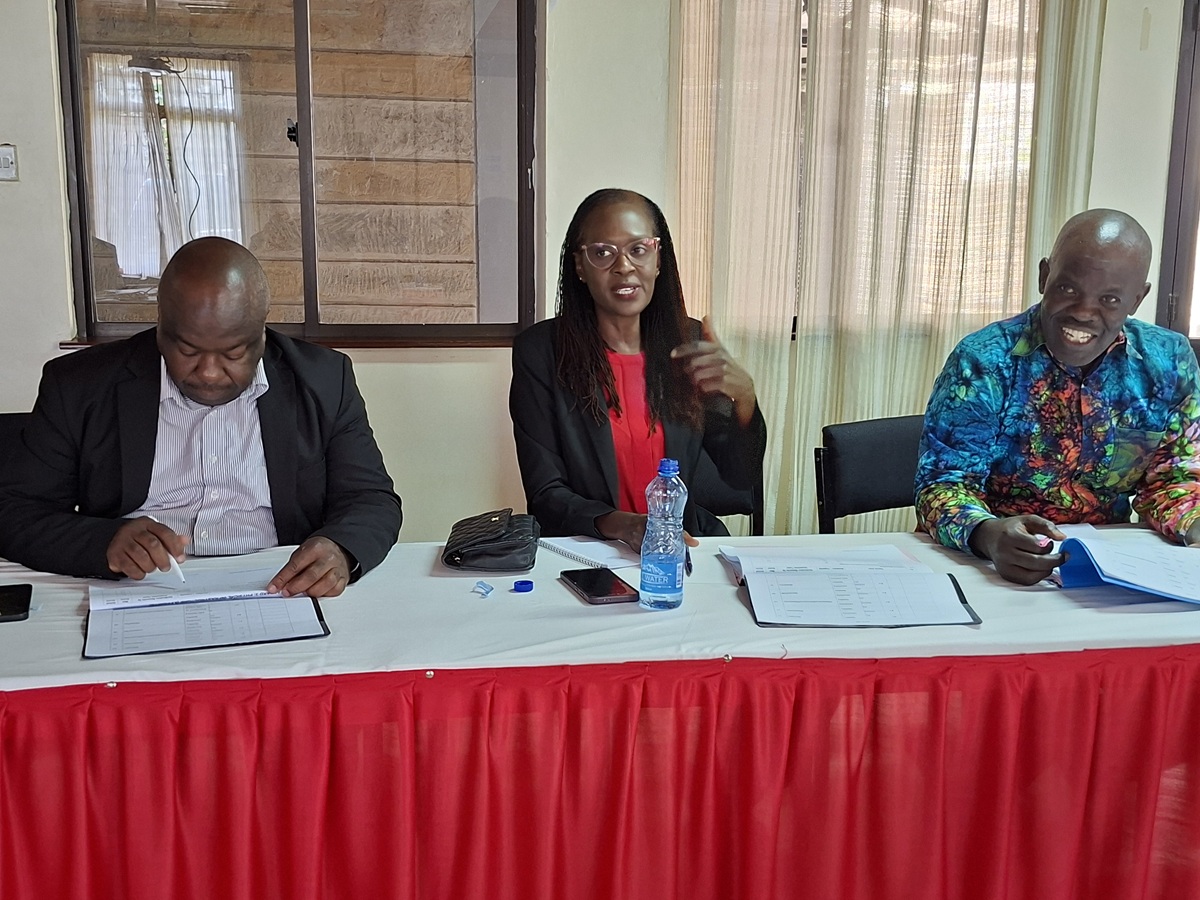
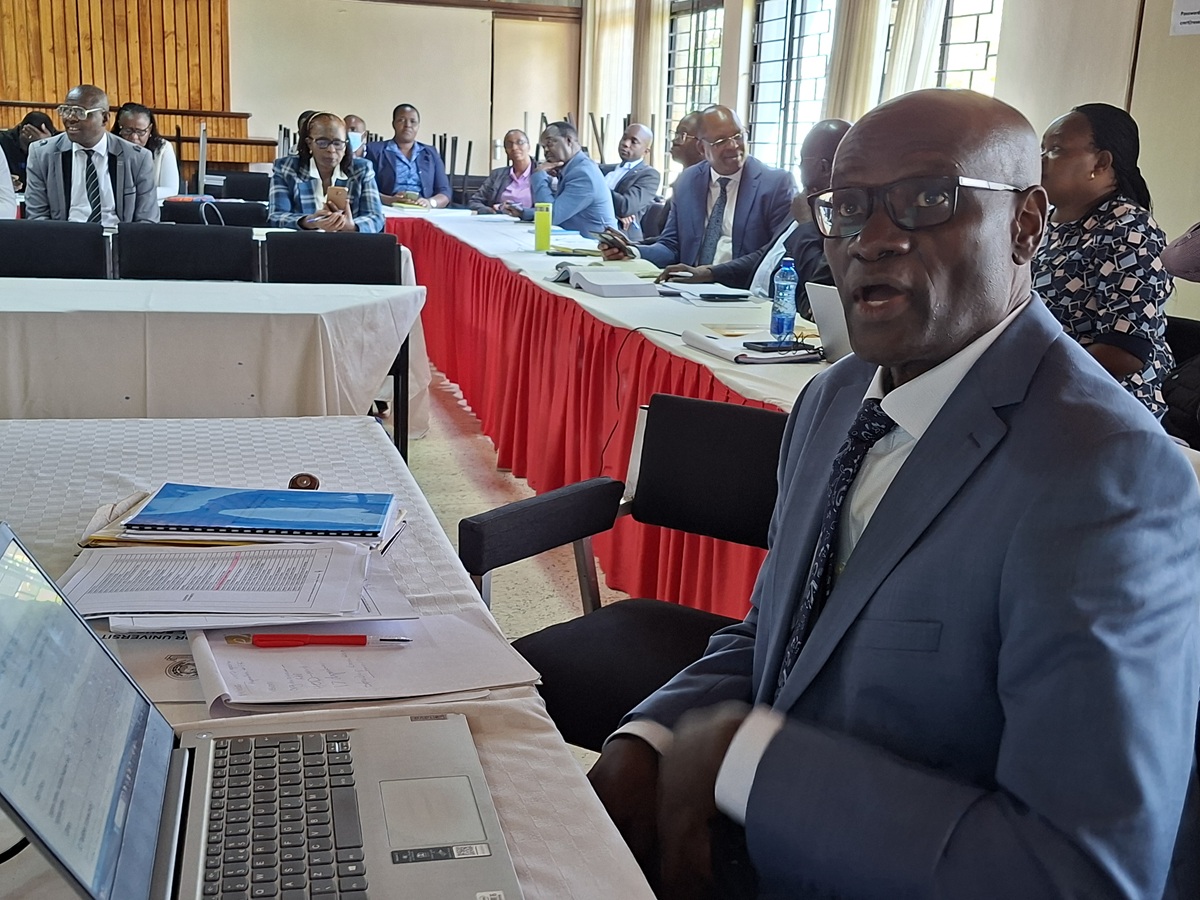
The Vice-Chancellor, Isaac Kibwage, received a high-level delegation led by Rose Kosgey of the Kenya Medical Practitioners and Dentists Council.
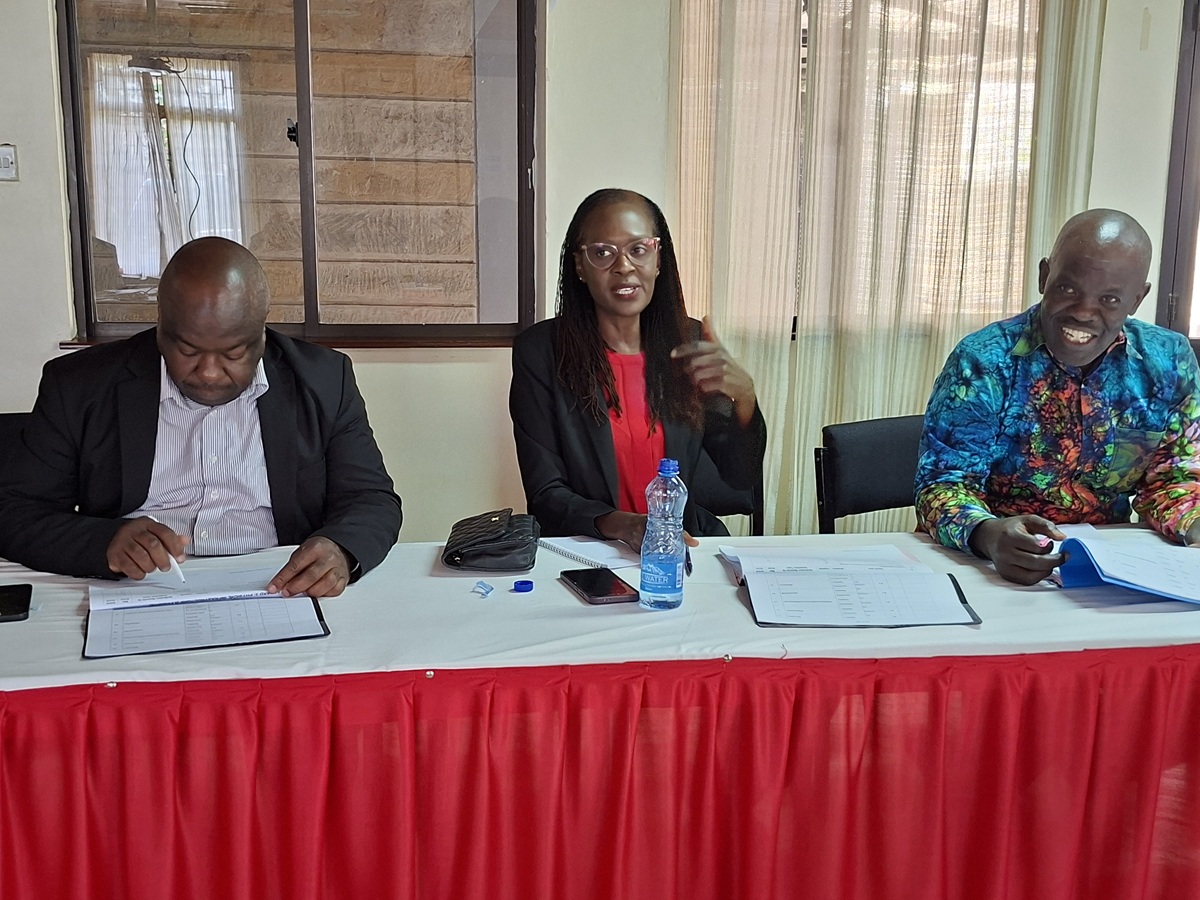
The team also includes Dr. Kiato Chizanya, Rose Wanjiku, Tommy Lugalia, and Benson Gatobu representing the Commission for University Education. Also part of the exercise is Dr. Edward Rutto serving as a peer reviewer.
The delegation is undertaking a rigorous evaluation of the University’s Faculty of Health Sciences, focusing on key parameters that determine the quality, relevance, and sustainability of medical training.
The assessment covers teaching laboratories, specialized medical equipment, clinical training infrastructure, staffing levels, and curriculum delivery systems.
Addressing the delegation, Prof. Kibwage underscored the importance of a meticulous and evidence-based review process.
“We welcome a candid and objective assessment. Identifying both our strengths and the grey areas will enable us to implement targeted improvements and further strengthen our programmes,” Prof. Kibwage stated.
He emphasized that the University views the exercise as a strategic opportunity to enhance institutional capacity and align its programmes with national and international standards.
The Vice-Chancellor was accompanied by senior University leadership, including Deputy Vice-Chancellor (Academics, Research and Extension) Benard Aduda, Principal of Nakuru City Campus George Ogendi, Registrar (Academic Affairs) Mwanarusi Saidi, and Dean of the Faculty of Health Sciences Samson Obure.
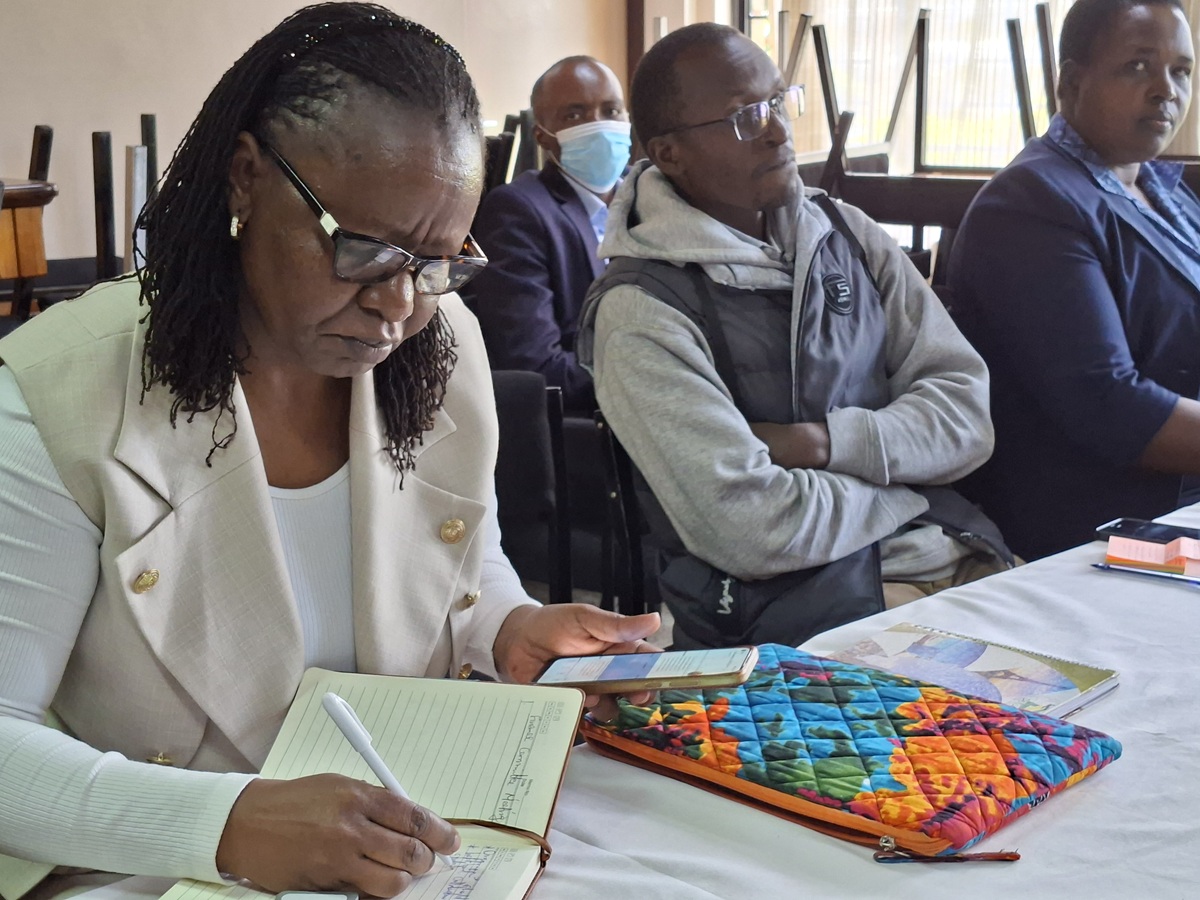
Their presence reflected a coordinated institutional approach to quality assurance and academic excellence.
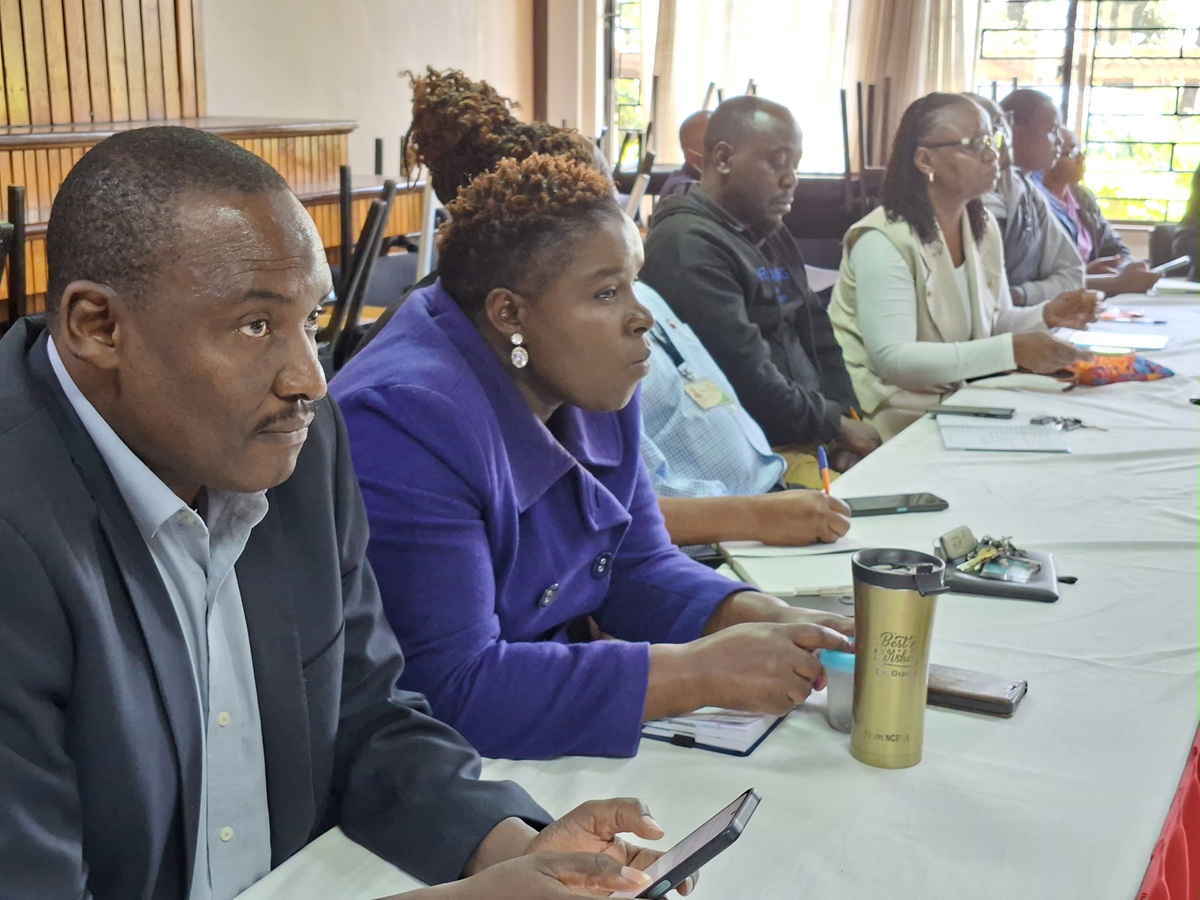
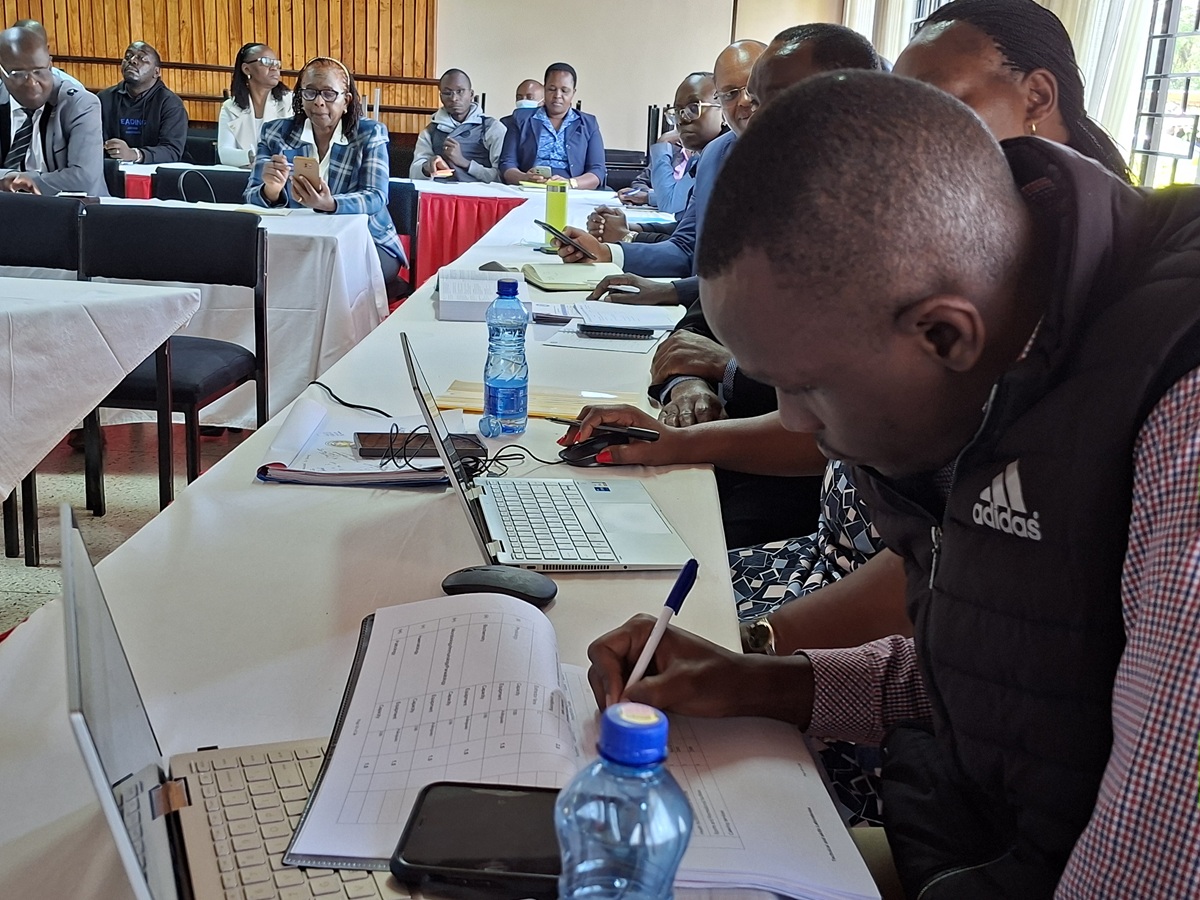
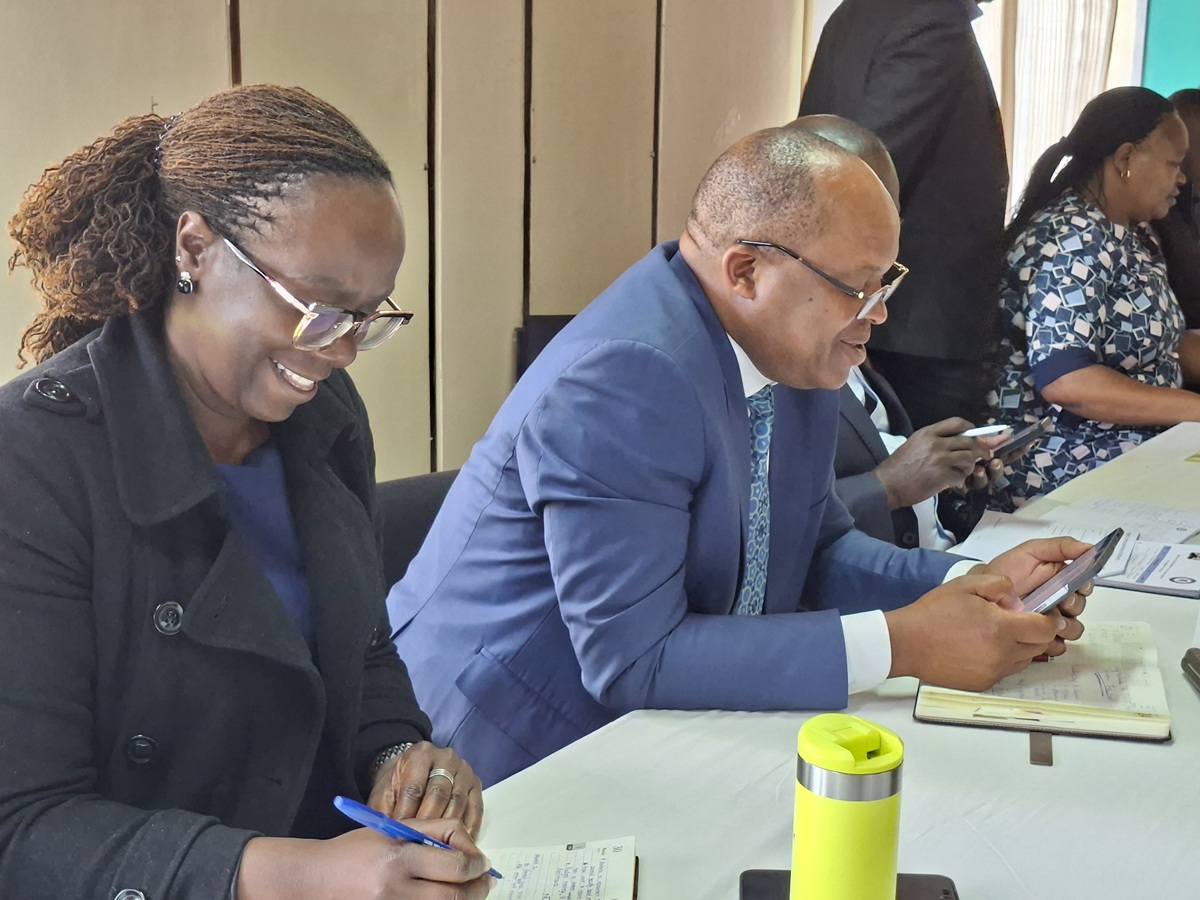
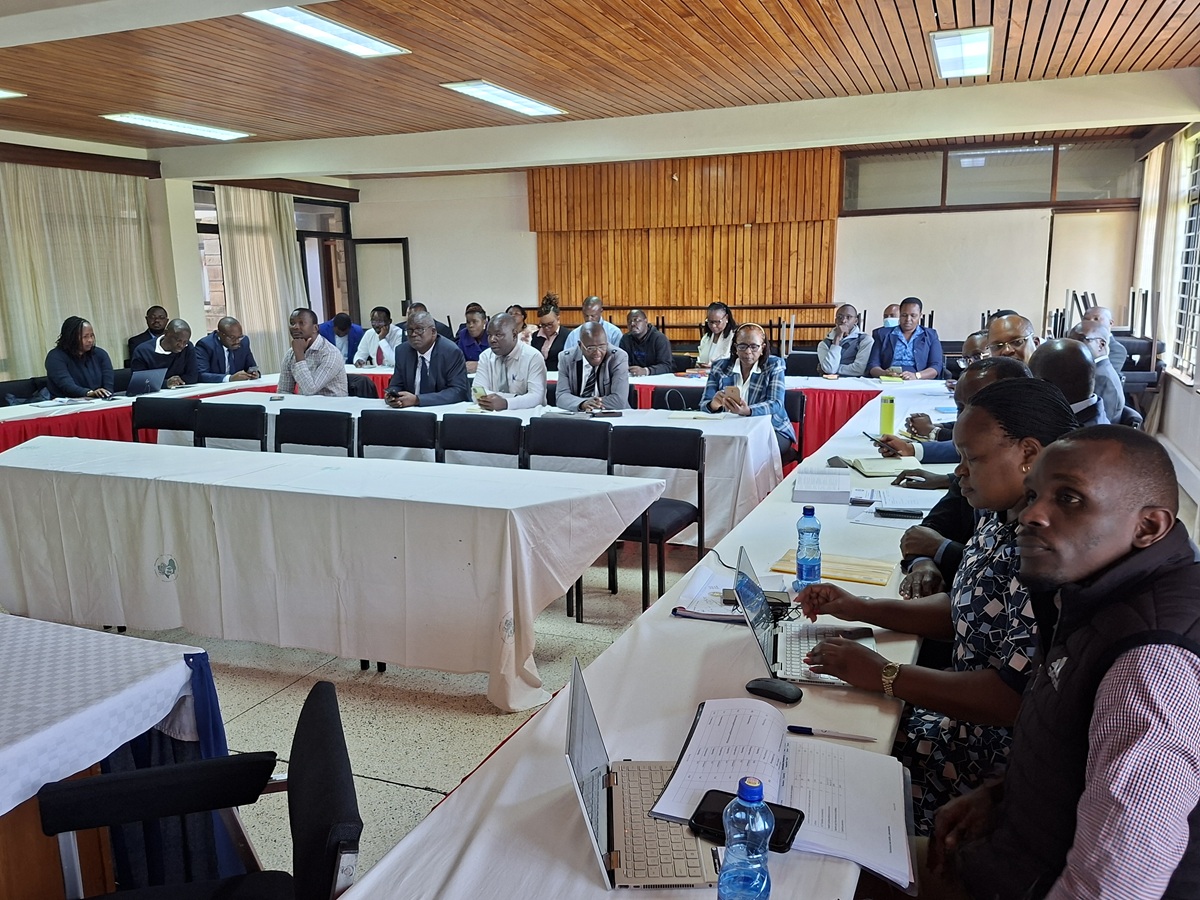
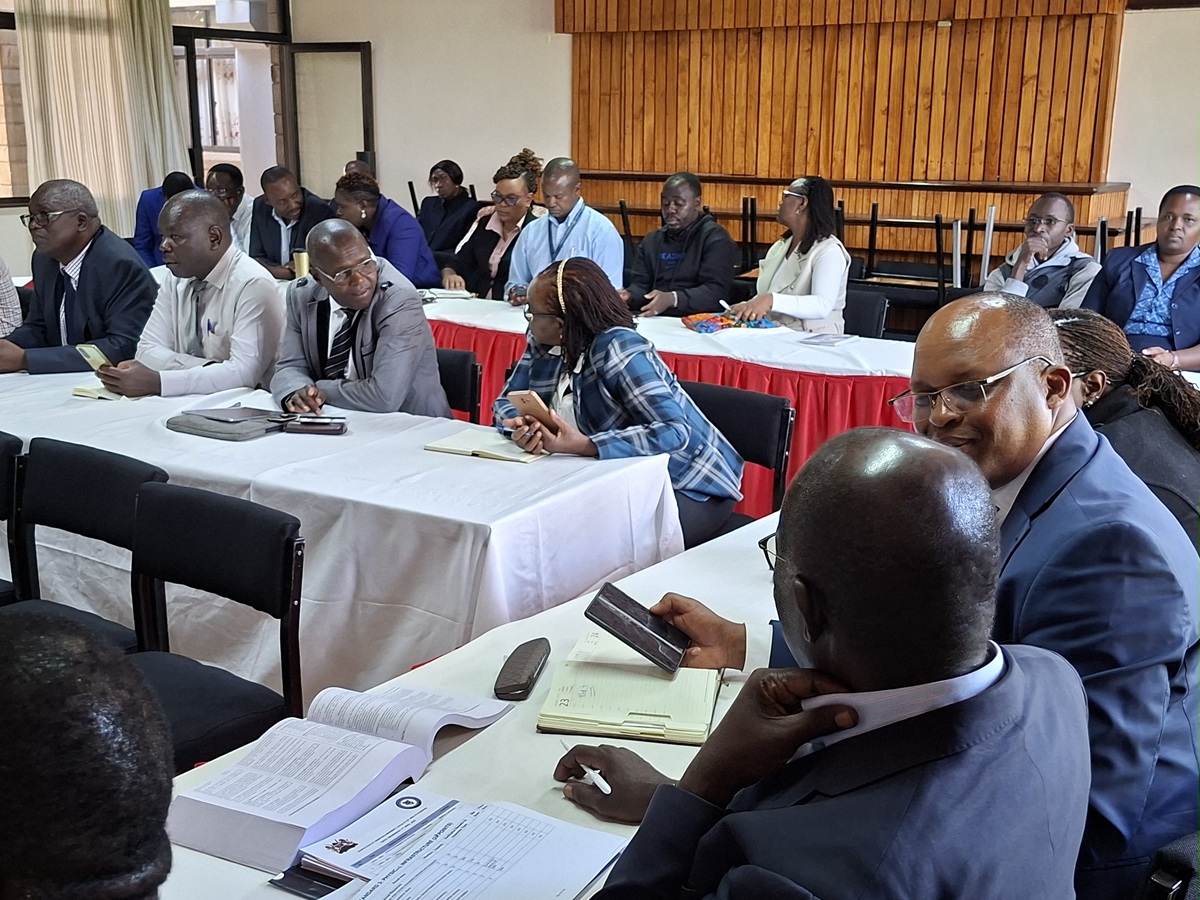
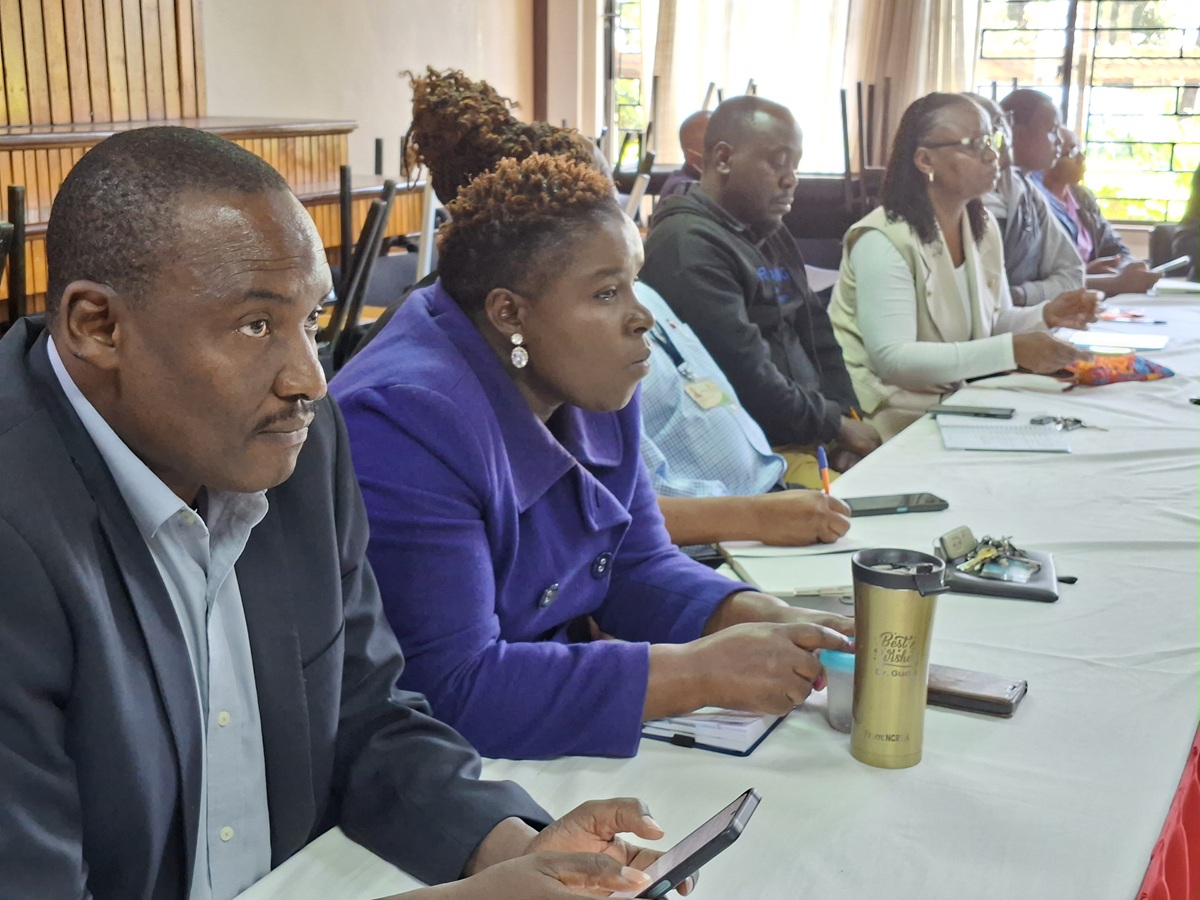
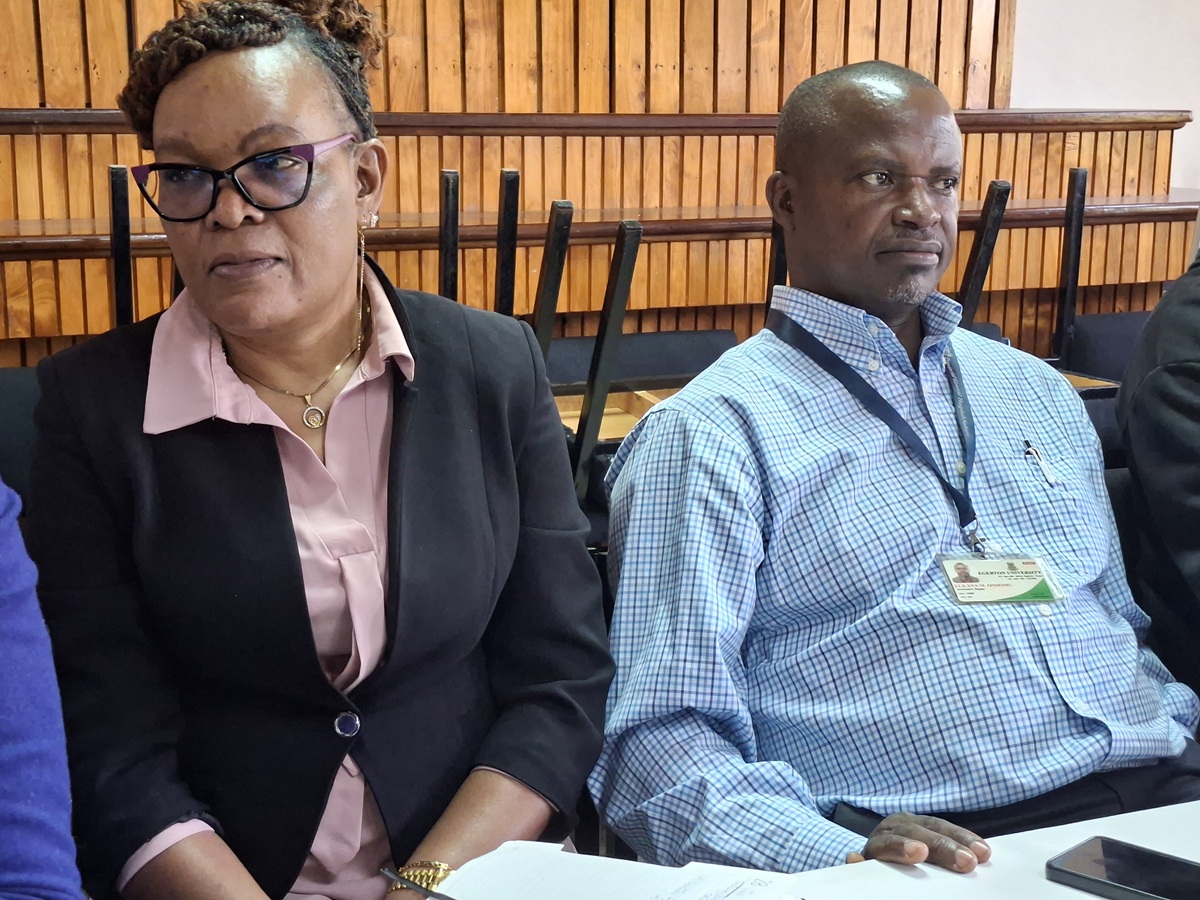
The assessment began with an inception meeting involving faculty members, followed by structured engagements with administrative units to review documentation and operational systems.
The delegation further interacted with students to gain insights into the academic environment, clinical exposure, and overall training experience.
This comprehensive evaluation marks a critical step in strengthening Egerton University’s medical programmes and advancing excellence in health sciences education, ensuring graduates are well-equipped to meet evolving healthcare demands.