




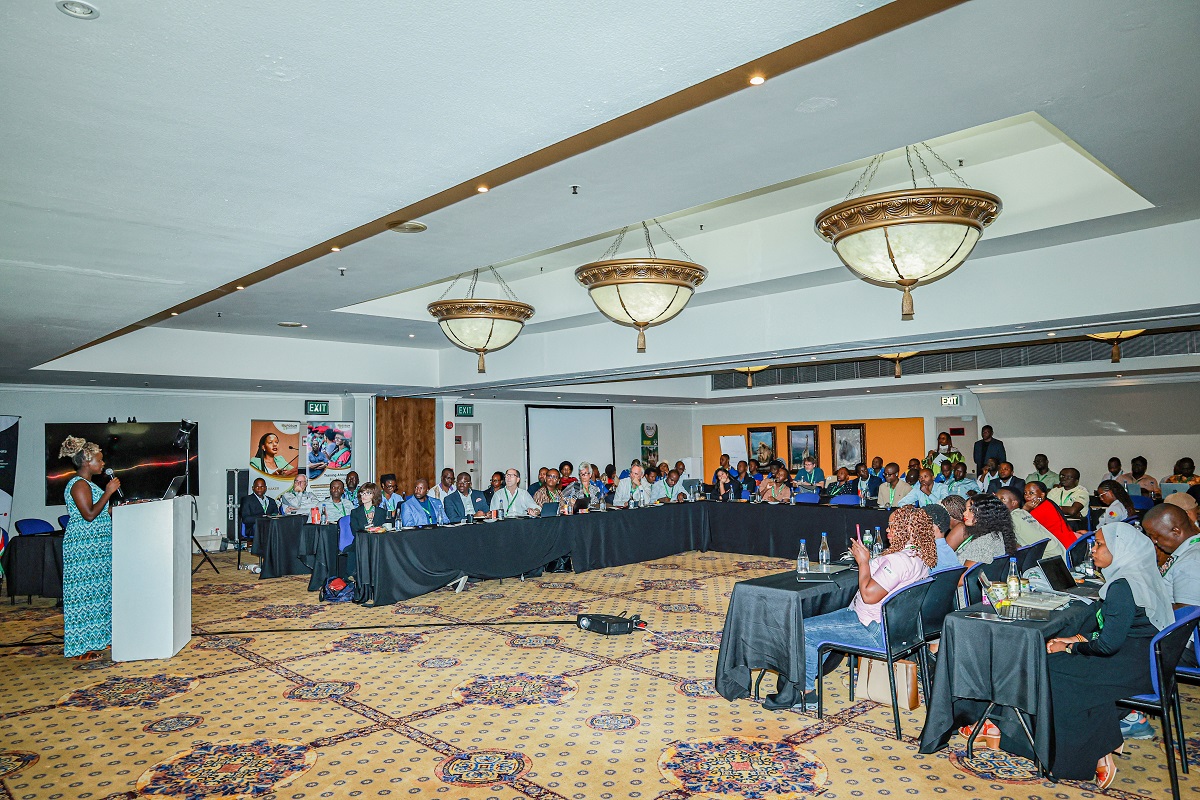
Egerton University emerged as a standout institution at the inaugural RUFORUM Investors Summit held on 30th November 2025 in Gaborone, Botswana, where agritech and agribusiness innovators from across Africa converged to pitch to investors. Among the 16 startups selected from the continent, an impressive 63 per cent (10 ventures) were led by Egerton University alumni, a sign of the university’s growing influence in shaping Africa’s entrepreneurial and agrifood systems.
The Egerton-led startups showcased at the summit included Comrades Dairy (dairy processing and value addition), Juma Farm Agrodealer (farm input distribution and advisory), Nakuru Tubers (certified seed potato production), Trendy Animal Feeds (affordable, high-quality livestock feeds), 4-Pillar Give Back ( farmer advisory services), Gordon Agriculture Organization, Youth for Grean Action Kenya amongst others . Their strong presence at the summit reinforced a critical question among policymakers and investors: what is Egerton doing differently to consistently produce investment-ready agripreneurs?

Egerton’s success continues to be driven by intentional efforts to embed an entrepreneurial mindset within the student experience. Through AGLEAD project supported by RUFORUM in partnership with the Mastercard Foundation, the faculty of Agriculture introduced compulsory entrepreneurship and innovation training across all disciplines, equipping learners with design thinking skills and enabling them to identify real problems within their communities. Students were required to translate insights into practice through community-based change projects, monthly impact tracking, and public exhibitions, creating a continuous cycle of learning, action, and accountability. Over time, entrepreneurship has become a lived culture at Egerton rather than a theoretical concept.
This culture is further strengthened by purpose-built support structures established under the TAGDev Incubation Hub, which continues to provide a comprehensive and market-driven incubation ecosystem. Guided by a “start with the end in mind” philosophy, the Hub focuses on transforming students from job seekers into job creators. The project offers structured incubation services, leadership development, market and investor linkages, and support in building commercially viable ventures. This intentional pipeline enables students to refine their ideas, develop bankable business models, and step confidently into competitive agribusiness landscapes.
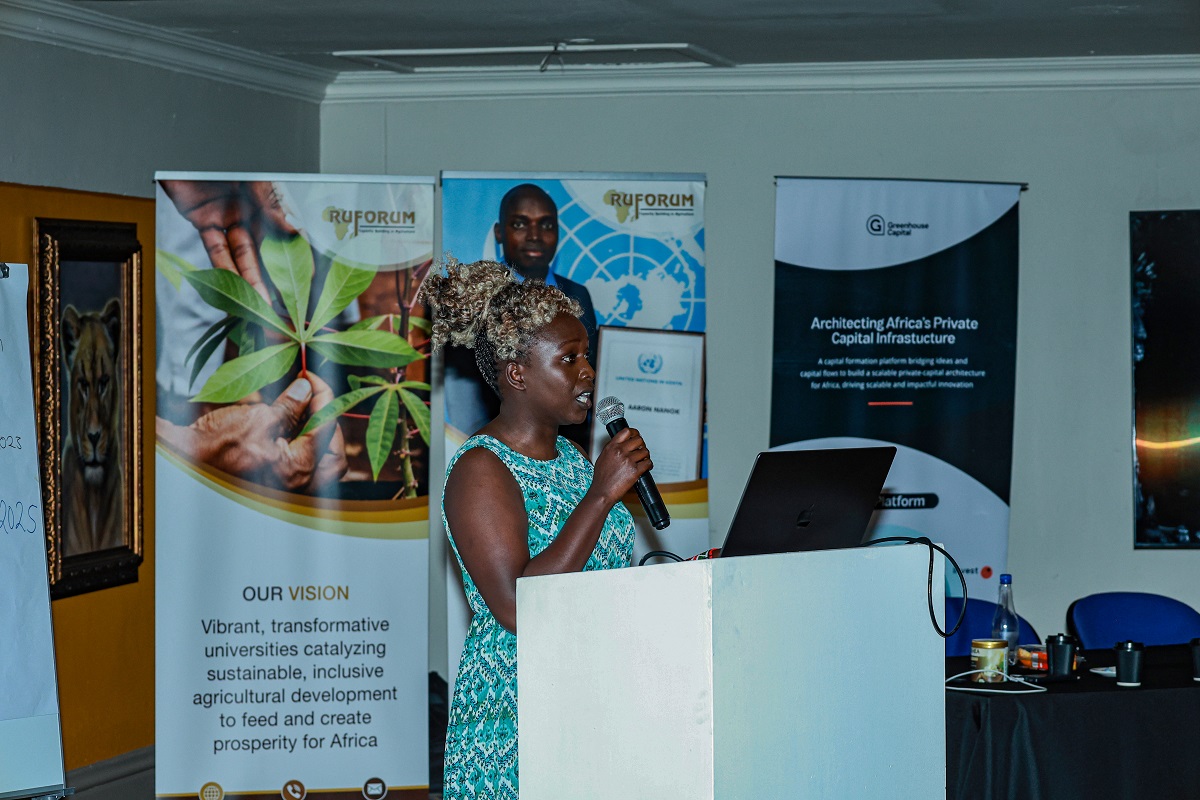
TAGDev Program at Egerton University continues to apply rigorous business selection processes that focus not only on innovation but also on commercial viability, growth potential, and social impact. This approach ensures that student ventures are sustainable and responsive to market needs. The programme also fosters resilience by normalizing failure as part of the entrepreneurial journey. Many of the startups showcased at the summit have undergone multiple cycles of pitching, refinement, and prototyping before evolving into strong, scalable businesses. This culture of iterative improvement and resilience contributes significantly to the strength of Egerton’s entrepreneurial ecosystem.
Egerton University’s strong entrepreneurial ecosystem is driven by mandatory entrepreneurship training, hands-on community innovation projects, and a structured incubation pipeline that guides student ventures from ideas to investment readiness. With market- and impact-focused selection criteria, a culture that embraces resilience and continuous improvement, and strong linkages to agribusiness stakeholders and investors, the university continues to produce alumni who are competitive, relevant, and impactful in the agrifood sector.
As TAGDev implements Phase 2 at Egerton University, the programme is building on these lessons to enhance incubation processes, deepen market relevance, and foster more student-led enterprises. Insights from Phase 1, including embedding entrepreneurial mindsets, refining market-driven venture selection, and strengthening resilience through iterative learning, are informing more robust interventions in Phase 2. With these improvements, TAGDev 2.0 is positioning Egerton University as a premier entrepreneurial institution in Africa’s agrifood sector, where innovation, enterprise, and impact continue to define the student experience and contribute to regional transformation.