

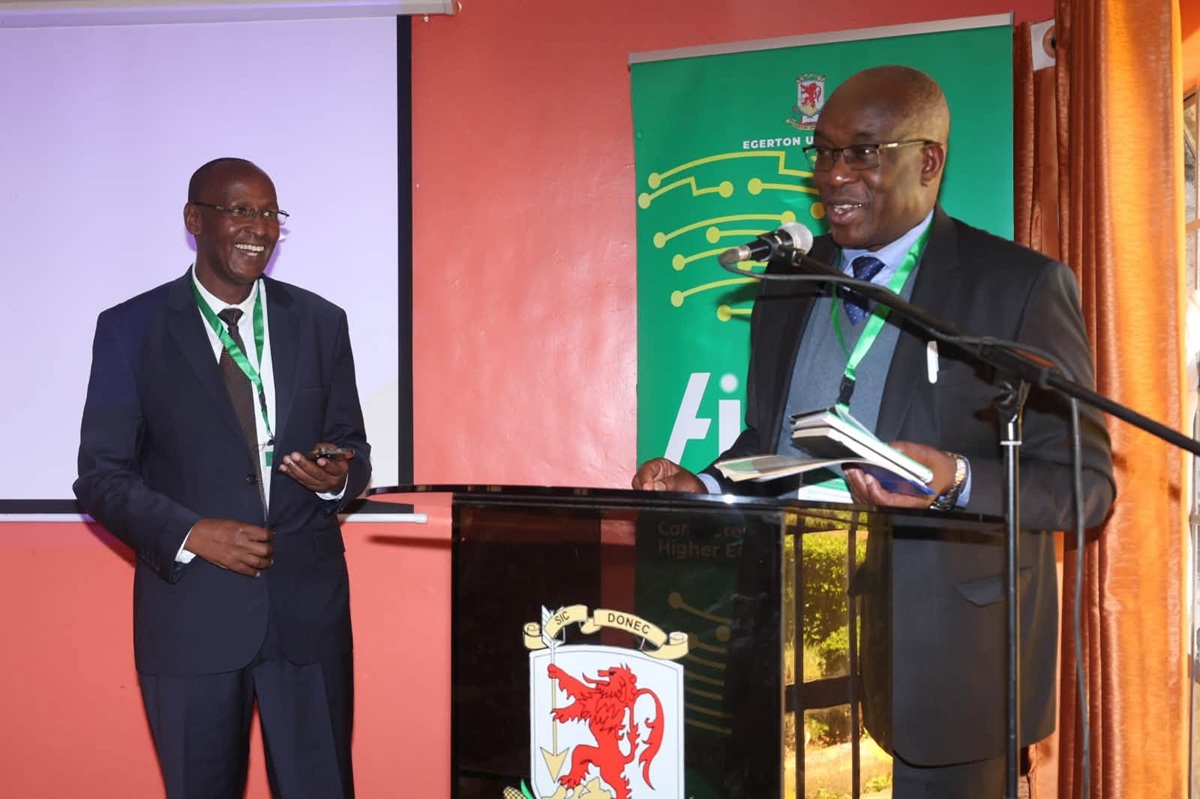
University Scholars Gain New Perspectives on Women’s Capacity Building and Sustainable Development in China
By Dr Magdalene Gesare as narrated to Kurian Musa
Two members of the Egerton University community, Dr. Magdaline Gesare of the Institute of Gender and Development Studies and Ms. Mercy Mwangi of the Department of Applied Community Development Studies, represented the University at an international Seminar on Capacity Building for Women held at China Women’s University in Beijing, China.Held from 21 July to 4 August 2026, the two-week programme provided an intensive learning experience combining lectures, institutional engagements, field studies and cultural exchange. For the University representatives, the seminar offered an opportunity not only to deepen their understanding of women’s capacity building, but also to examine broader lessons in education, governance, research, technology, community development and sustainable development.
Hosted by China Women’s University and sponsored by the Ministry of Commerce of the People’s Republic of China, the programme brought together participants from Kenya, South Africa, Uganda and The Gambia, creating a valuable platform for professional and intercultural exchange.
A diverse Kenyan delegation
The Kenyan delegation reflected a rich mix of leadership and professional experience drawn from Parliament, government, academia, civil society, banking and public administration. It included Hon. Amina Udgoon Siyad Kuno, MP, Garissa County; Hon. Irene Muthoni Kasalu, County Woman Representative, Kitui; Hon. Lydia Haika Mnene, County Woman Representative, Taita Taveta; Hon. Miraj Abdillahi Abdulrahman, Nominated Senator and Vice-Chairperson, Standing Committee on ICT; and Hon. Veronica Waheti Nduati, Nominated Senator, Chairperson of the Kenya Women Senators Association and Vice-Chairperson, Standing Committee on Justice, Legal Affairs and Human Rights.
Other members were Angela Wangechi, Senate Senior Clerk Assistant and Head of the Table Office Department; Gricella Wambui, banker; Jenny Wawira Njuki, Beyond Representation NGO; Julie Mumbi Mwithiga, Senior Fiscal Analyst, Parliamentary Budget Office, National Assembly of Kenya; Dr. Lilian Omoke, University of Embu; Naomi Ndila Kavita, Deputy Director, State Department of Gender Affairs and Affirmative Action;
More, Rachel Ngumbao, Head of Languages, Kenya National Assessment; and Ruth Wamuyu Njiru, Senior Programme Administrator and Co-Lead, Women’s Economic Empowerment Programme, Africa Women Studies, University of Nairobi.The diversity of the delegation enriched discussions by bringing together perspectives from legislation, public policy, academia, community development, finance and civil society.
From capacity building to meaningful empowerment.
One of the strongest lessons emerging from the seminar was that women’s capacity building cannot be achieved through training alone. It requires an enabling environment in which knowledge and skills are supported by education, health and well-being, economic opportunities, appropriate legislation, access to technology, supportive institutions and meaningful participation in decision-making.
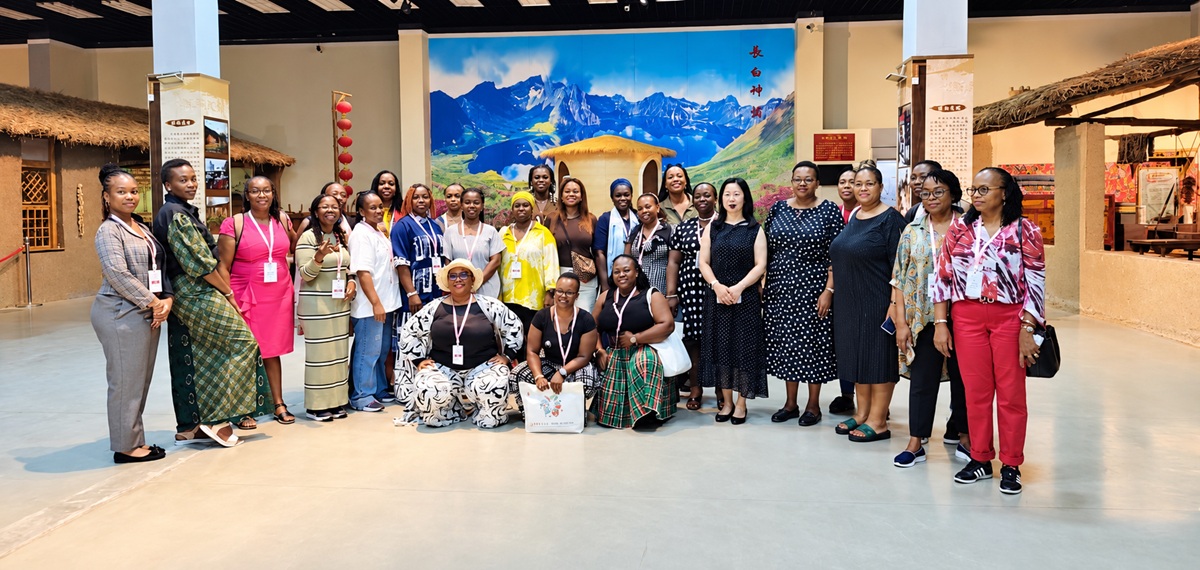
The programme examined themes including women’s higher education, legislation on women’s rights, gender impact assessment of laws and regulations, female human-resource development, governance and the role of women’s organisations.
For Dr. Gesare, these discussions raised an important distinction between formal equality and lived equality. Legislation is fundamental to protecting rights, but meaningful equality also requires women to have the resources, opportunities and institutional support necessary to exercise those rights.
Ms. Mwangi similarly observed how women in China are supported to acquire market-relevant skills in areas such as e-commerce, modern agricultural production, caregiving and traditional crafts, with economic and institutional mechanisms complementing technical capacity development.
The experience therefore reinforced a key lesson: sustainable empowerment requires connections between knowledge, skills, finance, markets, employment, entrepreneurship and supportive institutions.
Learning from planning, research and innovation
The programme went beyond gender-specific interventions to expose participants to aspects of China’s broader development experience.A notable observation was the emphasis on long-term strategic planning, research and innovation. Mercy highlighted the culture of long-term visioning and investment in research and modern technologies directed towards solving societal challenges and improving human well-being.
Participants also observed how modernisation can coexist with cultural preservation. Visits to different institutions demonstrated efforts to maintain cultural heritage and identity while embracing technology, innovation and economic transformation.
These experiences demonstrated that sustainable development is multidimensional. Education, research, agriculture, industry, technology, infrastructure, culture and human capital are interconnected rather than isolated development concerns.
Taking the classroom into the field
A particularly valuable component of the seminar was its experiential learning programme.Visits to the Changchun Women and Children Activity Centre offered insights into institutional and community-based approaches to supporting women, children and families.
At the Changchun Modern Agricultural Park and Chen Jia Dian Village, participants observed modern agriculture, rural development and approaches linking technology with community livelihoods.
Other engagements provided exposure to manufacturing, urban development, scientific innovation and cultural preservation. These included visits to institutions such as Jilin Chemical Fibre Group, FAW Group Corporation, Changchun City Planning and Exhibition Hall, Changchun Satellite Technology, as well as museums and cultural institutions showcasing the region’s history, ginseng and Sika deer industries.
The field programme demonstrated how research, agriculture, industry, technology and cultural preservation can intersect with community development.
Importantly, these experiences also reinforced the need to recognise women not merely as beneficiaries of development programmes, but as farmers, researchers, educators, entrepreneurs, innovators, professionals, community leaders and decision-makers actively contributing to development.
Building bridges across cultures
Beyond the formal academic programme, the seminar provided an important opportunity for cultural exchange.
For the participants, learning even a few words of Mandarin became part of that experience. “Nǐ hǎo” (你好) - hello - and “Xièxiè” (谢谢) - thank you - became simple but meaningful expressions of interaction and appreciation. Dr. Gesare even had the memorable experience of seeing her name represented in Chinese as 玛格达琳·格萨雷·马甘吉 (Magdaline Gesare Magangi).
Such experiences underscored an important dimension of international capacity building: meaningful international cooperation is strengthened not only through formal agreements, but also through curiosity about other cultures, communication, relationships and mutual respect.
Value to the University
Participation by Dr. Gesare and Ms. Mwangi provides value to the University that extends well beyond the completion of the seminar. The knowledge and experiences gained can contribute to teaching and curriculum enrichment, particularly in gender and development, community development, education, leadership, governance and sustainable development. The participants can also share lessons with colleagues and students through seminars, lectures and other institutional knowledge-sharing forums.
The programme further opened possibilities for interdisciplinary research, particularly around women’s economic empowerment, gender equality, rural development, education, technology, community transformation and the relationship between policy and development practice.Equally important are opportunities for strengthening the University's
international engagement.
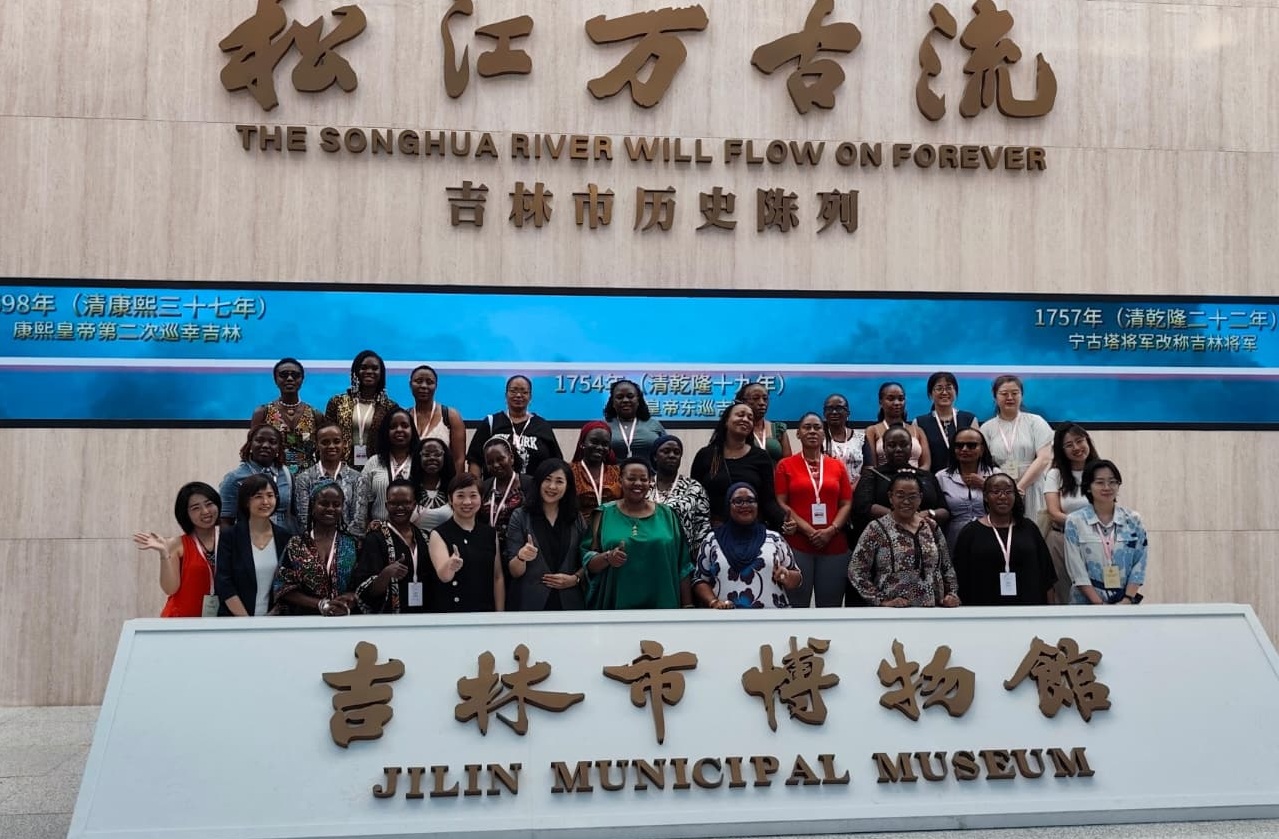
The attendees identified potential areas including joint research with Chinese universities, staff and student exchange programmes, institutional benchmarking, gender and leadership programmes, research commercialisation, cultural integration and intercultural competence.
The networks developed with legislators, government officials, academics, civil society practitioners and other professionals within the Kenyan and wider African delegations also create opportunities for future research-policy dialogue, community engagement and collaborative initiatives.
The participation of scholars from two different academic areas; gender and development studies and community development and education further provides an opportunity to promote interdisciplinary approaches to some of society’s most complex development challenges.
From global learning to local action
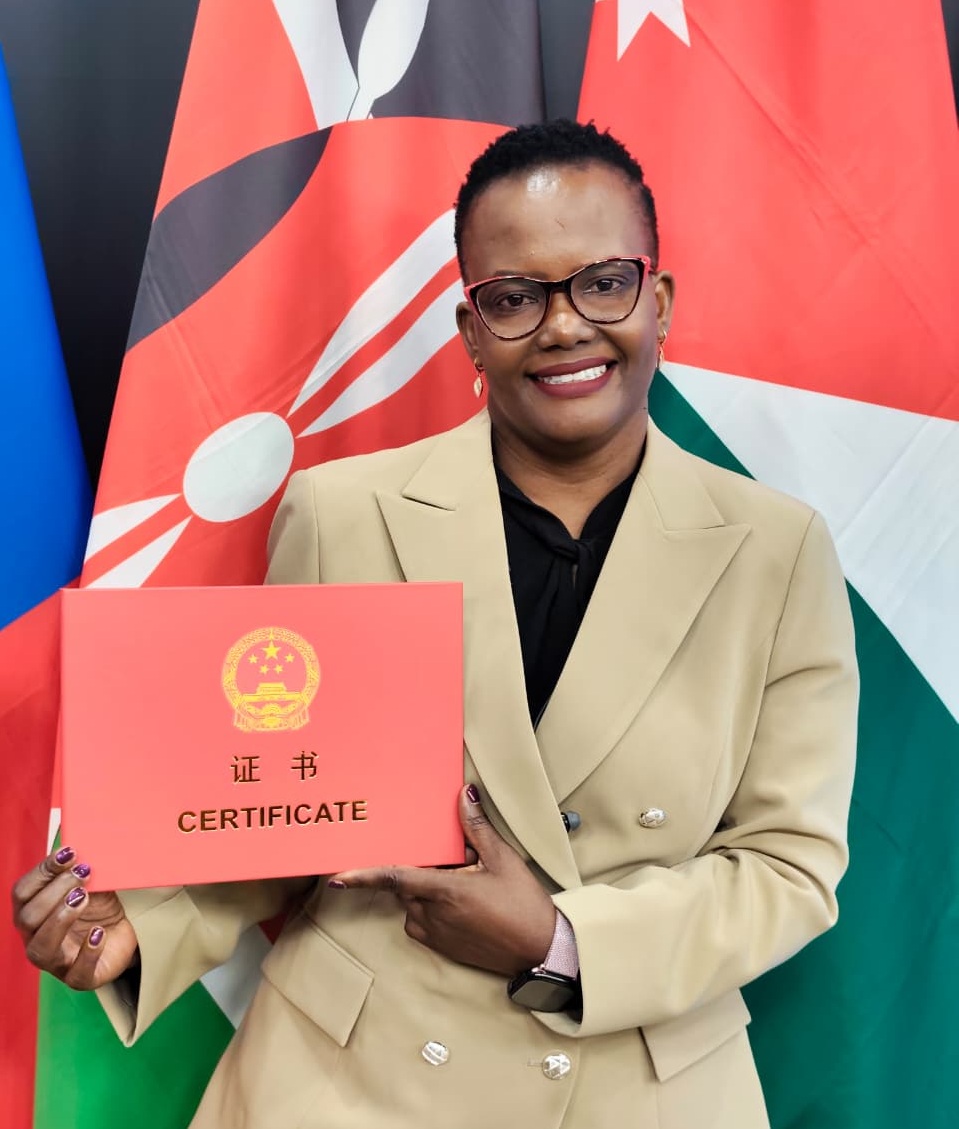
Perhaps the most important lesson from the seminar was that international exposure should not be about simply replicating another country's development model.Countries differ in their histories, cultures, institutions, resources and development priorities. The greater value of international learning lies in asking: What can we learn? What can we adapt? What can we strengthen within our own context?For Dr. Gesare and Ms. Mwangi, graduation from the programme therefore represented more than receiving certificates. It marked the beginning of the more important task of translating the knowledge, networks and experiences gained in China into locally relevant teaching, research, institutional development and community engagement.
As they reflected, equipping women with skills, economic resources and strategic institutional support is not merely a social programme; it can serve as an important catalyst for sustainable development. For the University, the experience reinforces the value of international academic exposure in expanding institutional knowledge, creating global partnerships and bringing new perspectives into the classroom, research and community.
The true measure of international capacity building is therefore not only what participants learn while abroad, but how that learning is shared, contextualised and transformed into meaningful action at home.
Xièxiè (谢谢), China. Thank you for the learning, exchange and opportunity to build bridges across institutions, countries and cultures. Xièxiè (谢谢), Egerton University for granting us the opportunity to represent our University in such a high level training and the exposure that came with it.