


By Kurian Musa
Egerton University is positioning itself to play a leading role in Artificial Intelligence (AI) research, education and innovation following a workshop to re-imagine a proposed Multi-Institutional Transdisciplinary PhD Programme in Artificial Intelligence.The workshop brought together scholars, administrators, postgraduate students and other key stakeholders from across the University to examine how Egerton can contribute to and benefit from the proposed doctoral programme under the Alliance for African Partnership (AAP).
The initiative is part of the REIMAGINE Project, which seeks to strengthen doctoral education in Africa through collaboration, innovation and transdisciplinary research.Opening the workshop, Deputy Vice Chancellor, Academics, Research and Extension, Prof. Bernard Aduda, challenged participants to think beyond introducing another academic programme.
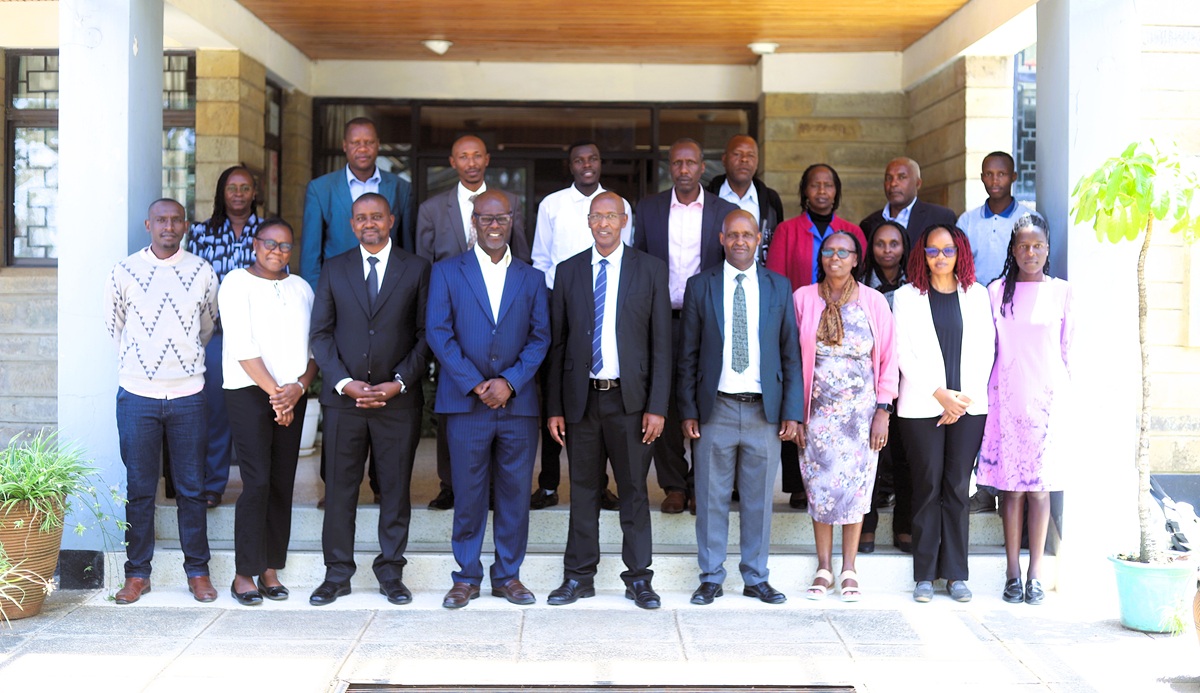
Deputy Vice Chancellor, Administration, Finance and Planning, Prof. George Muthaa, joins participants for a group photo during the closing ceremony of the workshop to re-imagine the proposed Multi-Institutional Transdisciplinary PhD Programme in Artificial Intelligence at Egerton University.
He urged them to explore how Egerton can develop a strong, relevant and comprehensive PhD in Artificial Intelligence that responds to emerging challenges and opportunities in society.
The proposed programme seeks to prepare doctoral graduates capable of applying AI to real-world challenges in sectors such as agriculture, health, education, energy, business, governance and public services.
Director of the Graduate School, Prof. Charles M’Erimba, said the proposed programme comes at an opportune time. He called on participants and other stakeholders to objectively interrogate the proposed degree structure and contribute ideas that would strengthen the curriculum, supervision model and institutional arrangements.
A key focus of the workshop was how the proposed programme could fit within Egerton University’s existing academic structure. Participants explored ways of bringing together expertise from different faculties and departments, allowing the University to build on its existing strengths rather than establish an entirely standalone system.
Under the proposed multi-institutional model, students would be admitted and registered through recognised PhD programmes at their respective home universities. They would, however, access shared AI courses and expertise across participating institutions.
The model would also provide opportunities for cross-institutional supervision, research placements and collaborative projects. The home university would retain responsibility for admission, student progression, examination and award of the PhD.
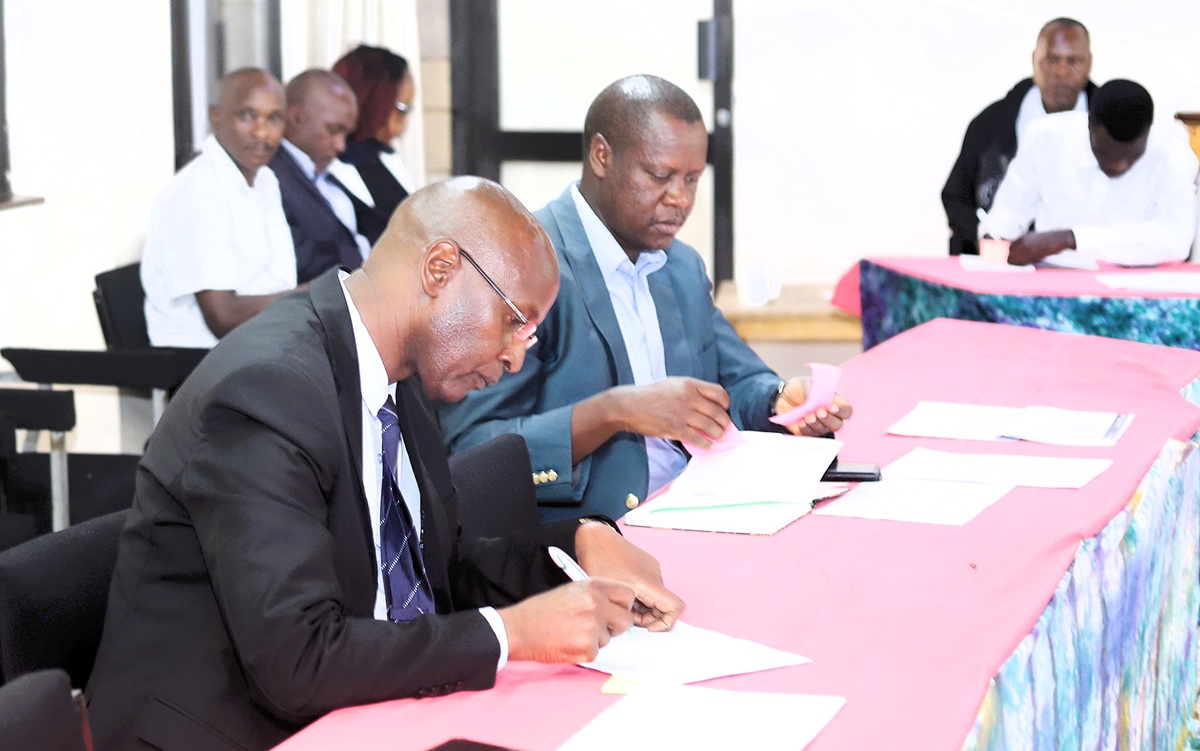
Deputy Vice Chancellor, Administration, Finance and Planning, Prof. George Muthaa, participates in discussions during the workshop to re-imagine the proposed Multi-Institutional Transdisciplinary PhD Programme in Artificial Intelligence at Egerton University.
The proposed shared curriculum covers AI foundations, transdisciplinary research methods, responsible AI, ethics and governance, domain specialisation, and professional and leadership skills.
Participants also emphasised the importance of ensuring that AI research is connected to practical societal challenges. Research projects would combine technical AI knowledge with problems in specific fields while addressing ethical, social and implementation considerations.
Muthaa: Egerton Must Position Itself for AI
Speaking during the closing ceremony, Deputy Vice Chancellor, Administration, Finance and Planning, Prof. George Muthaa, underscored the rapidly growing influence of AI and called on the University to position itself to develop solutions using the technology.
“Artificial Intelligence is actively transforming society, governance and education. It is essential that Egerton University positions itself to offer AI solutions. People from diverse disciplines should seek how they can embed AI in their expertise,” said Prof. Muthaa.
His remarks reinforced the workshop’s emphasis on transdisciplinary collaboration, with participants encouraged to view AI not only as a specialised academic discipline but also as a tool that can transform research, teaching, innovation and professional practice across fields.
Prof. Muthaa also actively participated in the workshop discussions, underscoring the importance of broad institutional ownership in shaping the proposed doctoral programme.
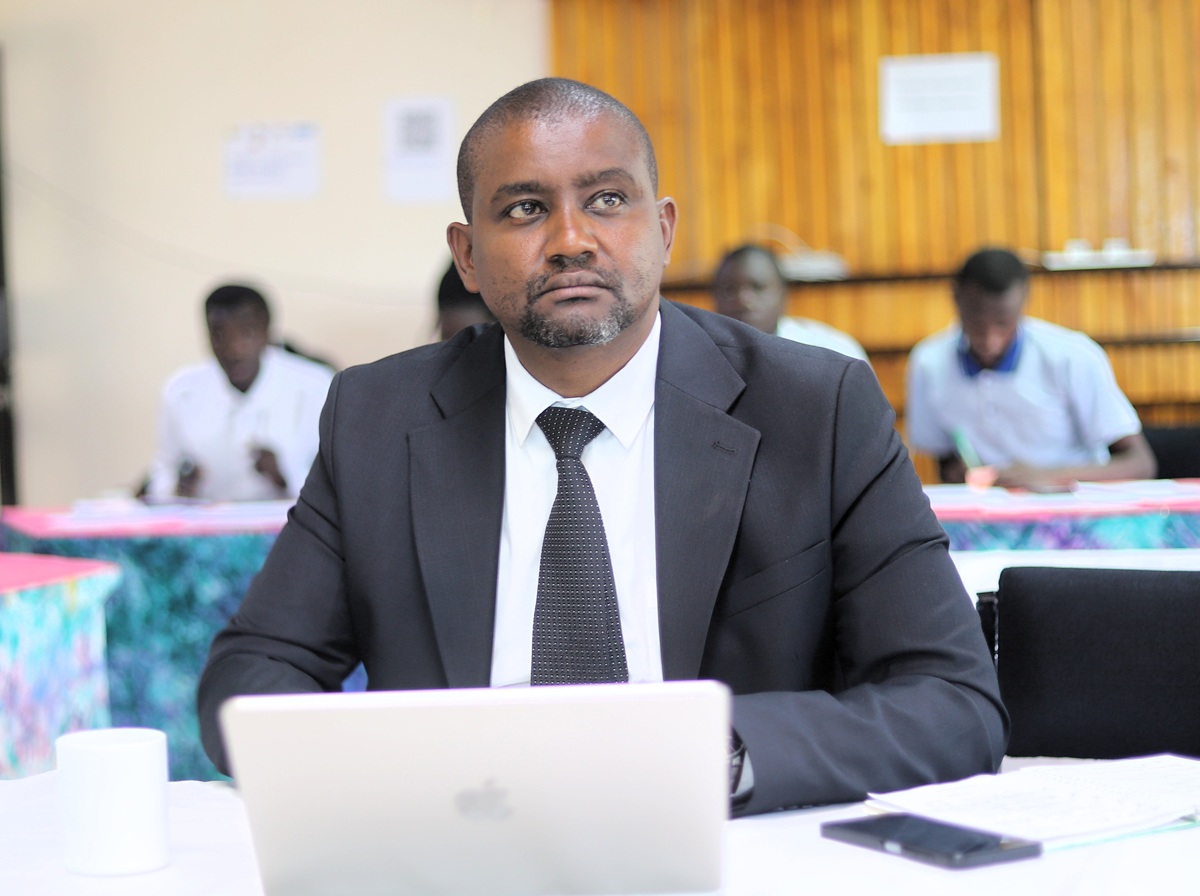
ICT Director,Moses Thiga
Also present were Director of ICT Dr. Moses Thiga, Dr. Kirui from the Department of Veterinary Medicine, Dr. Raphael Gacheia, Dr. Elizabeth Mworia and Dr. Grace Ndeke, among other University staff and postgraduate students.
The workshop provided a platform for Egerton stakeholders to interrogate the proposed model, identify opportunities and consider how the University can strategically position itself in the rapidly evolving AI landscape.
The discussions mark an important step in re-imagining doctoral education at Egerton University and strengthening the institution’s capacity to harness Artificial Intelligence for research, teaching, innovation and greater societal impact.