



By Kurian Musa
The trophies were impressive. The innovations were even more significant.
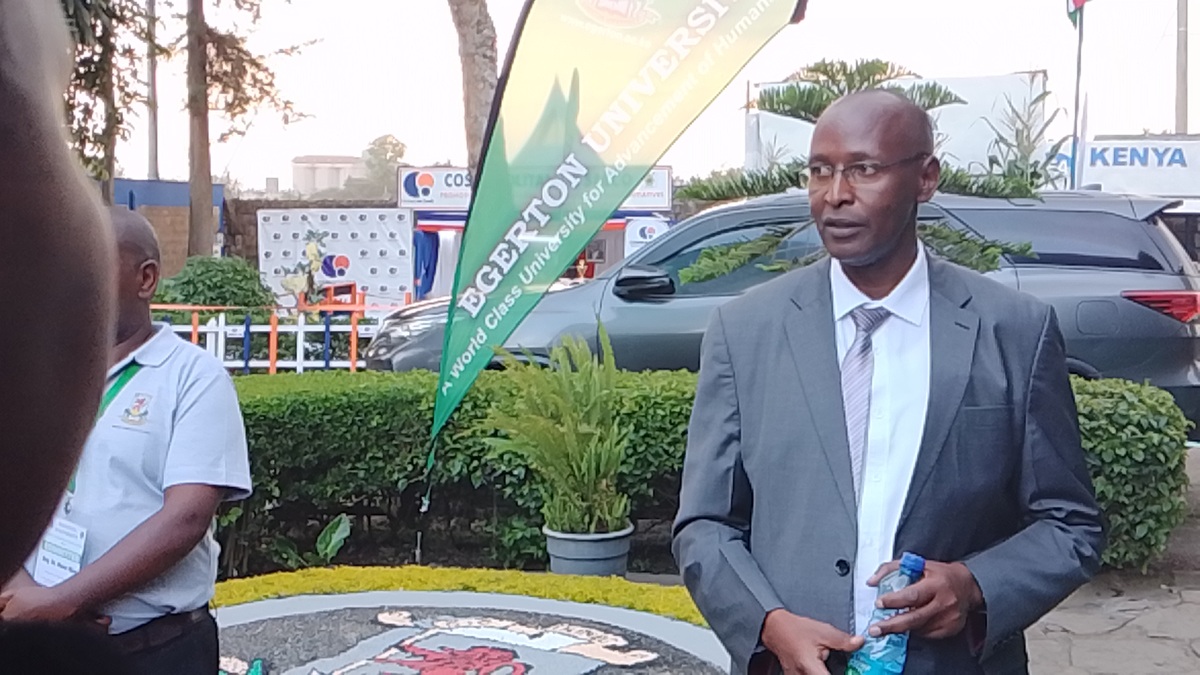
When Egerton University emerged the top winners at the 2026 Nakuru National Agricultural Society of Kenya (ASK) Show in Nakuru, the awards affirmed decades of excellence in teaching, research and innovation.

According to Vice Chancellor Prof Isaac Kibwage, the greatest achievement was not the silverware. It was the university's ability to translate scientific knowledge into practical solutions that farmers, entrepreneurs, policy makers and students could understand and adopt.
In an era defined by climate change, declining soil fertility, rising food prices and shrinking farm sizes, Egerton's exhibition demonstrated that universities are no longer mere centres of academic instruction. They are engines of innovation and national development.
.
Held under the theme "Promoting Climate Smart Agriculture and Trade Initiatives for Sustainable Economic Growth," this year's show provided an opportunity for the university to demonstrate how research can respond to Kenya's evolving agricultural challenges.
Across the exhibition village, visitors encountered technologies that addressed water scarcity, food security, value addition, environmental conservation, livestock productivity and youth employment. Each exhibit represented years of scientific inquiry translated into practical interventions capable of improving livelihoods.
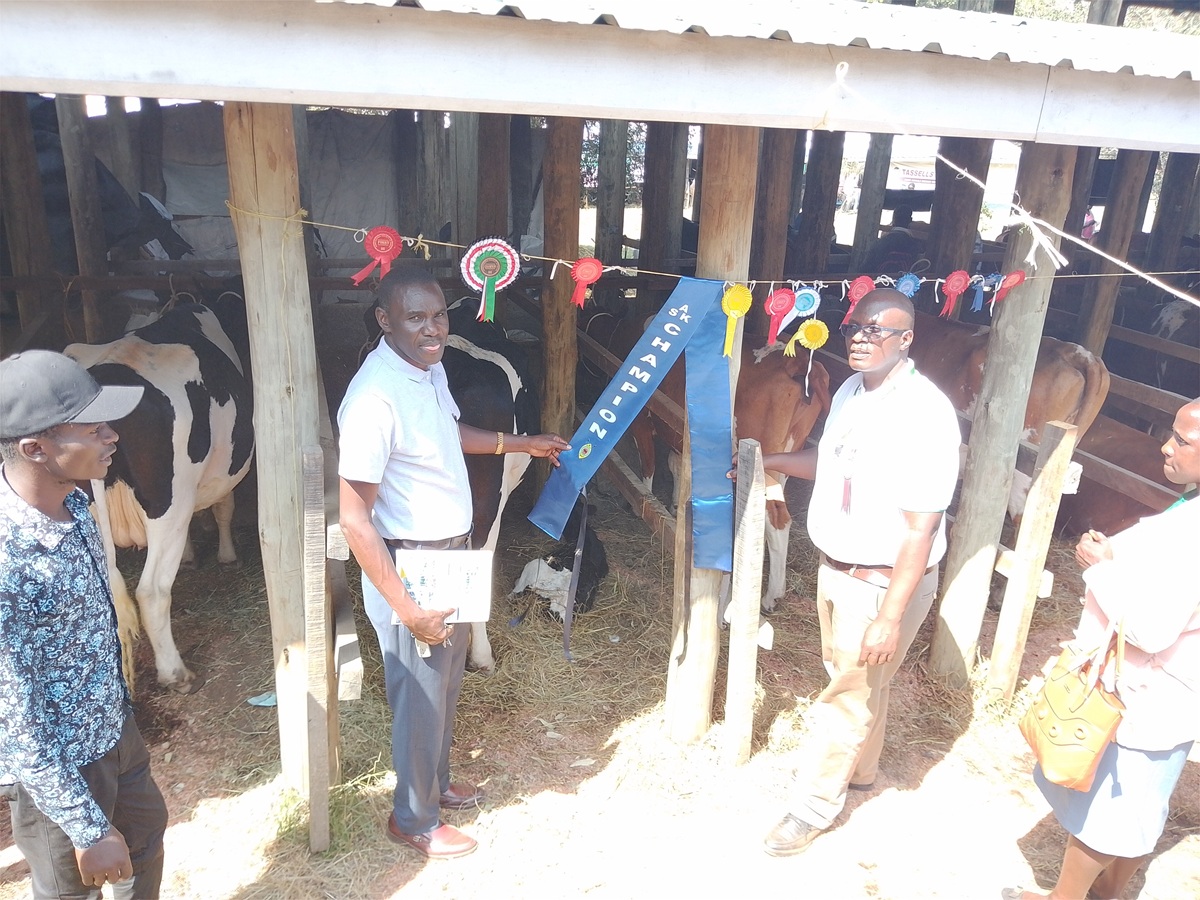
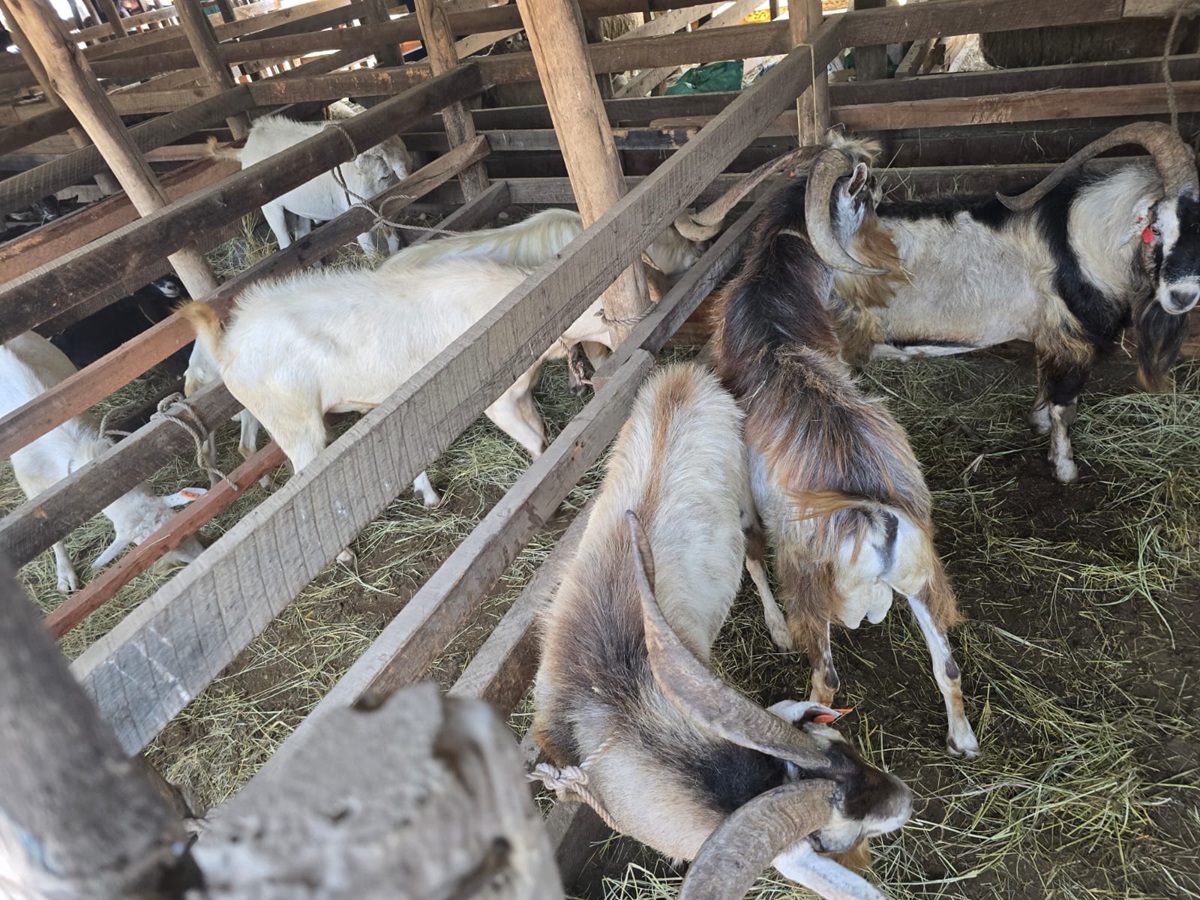
One of the busiest sections remained the livestock pavilion, where visitors admired championship dairy cattle, quality breeding goats and rabbits. These were not merely exhibition animals. They represented decades of genetic improvement programmes that seek to increase milk yields, improve disease resistance and enhance reproductive performance. As climate variability continues to affect pasture availability and livestock productivity, breeding superior animals becomes an important adaptation strategy. The exhibits demonstrated that sustainable livestock production begins with sound genetics, proper nutrition, effective disease management and continuous scientific research.
Perhaps the most unexpected attraction was the university's llama, which became a favourite among children and families visiting the stand. Beyond its novelty value, the animal provided an opportunity for public education on animal diversity, adaptive livestock systems and the importance of conserving genetic resources. Agricultural exhibitions increasingly serve not only farmers but also urban populations whose understanding of agriculture is becoming increasingly detached from everyday food production.
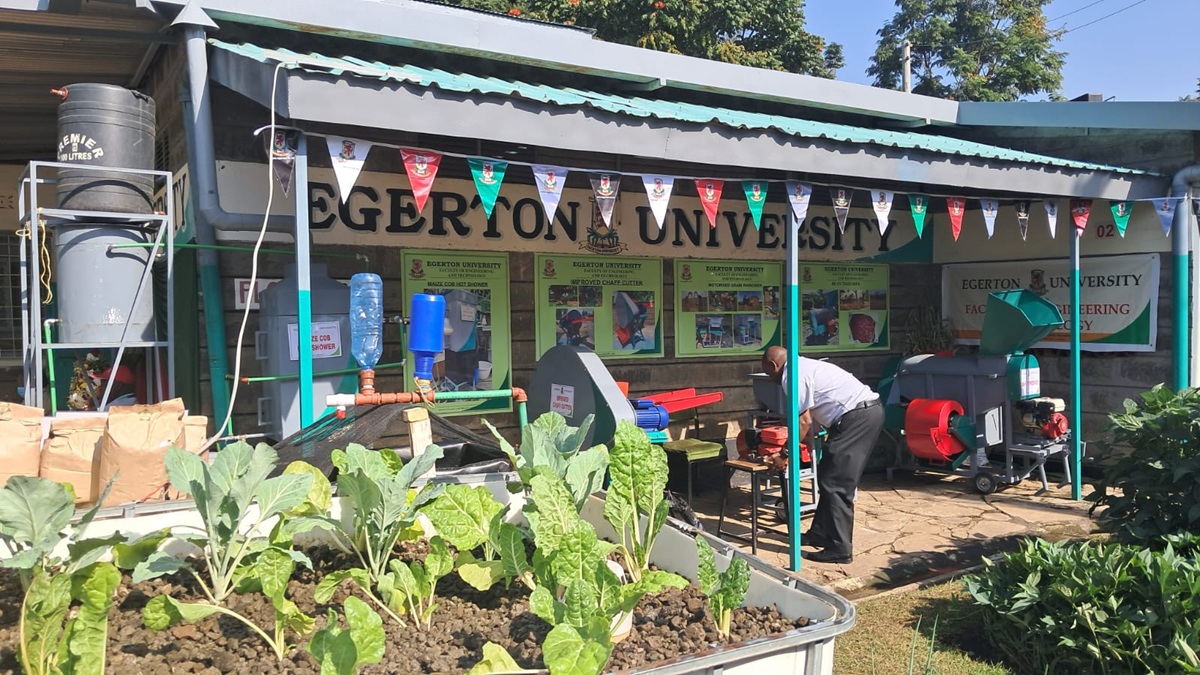
The Faculty of Engineering demonstrated that the future of agriculture depends as much on engineering as it does on biological sciences. Researchers and students showcased technologies designed to improve agricultural efficiency, mechanisation, energy use and post-harvest management. Engineering innovations reduce production costs, minimise losses and improve productivity throughout agricultural value chains. They illustrate the growing convergence between engineering, information technology and agricultural sciences in addressing food security challenges.
Among the most compelling demonstrations was the soil-less aquaponics system, where fish and vegetables are produced within an integrated ecosystem. Aquaponics represents one of the most resource-efficient farming technologies available today. Fish waste supplies nutrients required by crops, while plants naturally filter and purify the water before it is recirculated back to the fish tanks. The result is a closed-loop production system that uses significantly less water than conventional farming while producing two high-value enterprises simultaneously. Such technologies are increasingly relevant as water scarcity becomes one of agriculture's greatest constraints.
The aquaculture section complemented this approach by showcasing improved fish breeding and production technologies. Kenya's growing demand for affordable animal protein has elevated aquaculture from a niche enterprise to a strategic component of national food security. Researchers demonstrated improved breeding systems, better management practices and technologies capable of increasing fish productivity while reducing environmental impacts. These innovations also present employment opportunities for young entrepreneurs seeking profitable agribusiness ventures.
Equally significant was the display of tissue culture potato seedlings. Potato remains one of Kenya's most important food and commercial crops, yet productivity is often constrained by poor-quality seed and disease transmission. Tissue culture technology addresses these challenges by producing disease-free planting materials with superior genetic quality. Healthy seed translates directly into higher yields, better quality harvests and improved farmer incomes. The exhibit illustrated how biotechnology can strengthen food systems without compromising environmental sustainability.
Climate-smart agriculture also featured prominently through greenhouse tomato production systems. Protected cultivation enables farmers to regulate temperature, moisture and pest pressure while improving water-use efficiency.
In the context of erratic rainfall and changing climatic conditions, greenhouse technology offers a practical pathway towards stable production, higher yields and year-round market supply. Such technologies reduce production risks and improve household resilience against climate shocks.
Environmental sustainability extended beyond crop production. The Nakuru Living Lab, hosted by Egerton University, showcased organic fertilizer developed from locally available organic materials.
The innovation responds to one of Kenya's pressing agricultural concerns—the gradual degradation of soil health through continuous cultivation and excessive reliance on synthetic fertilizers.
Organic soil amendments improve soil structure, increase microbial activity, enhance water retention and contribute to long-term agricultural sustainability. They also support regenerative farming systems that balance productivity with environmental conservation.
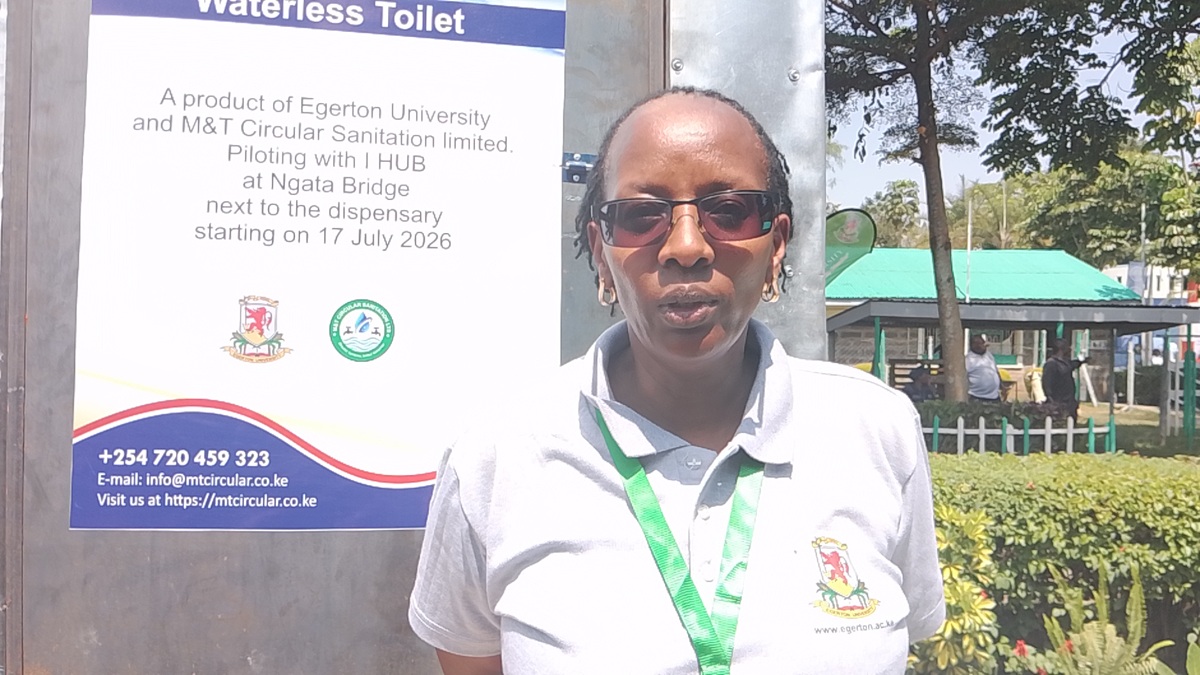
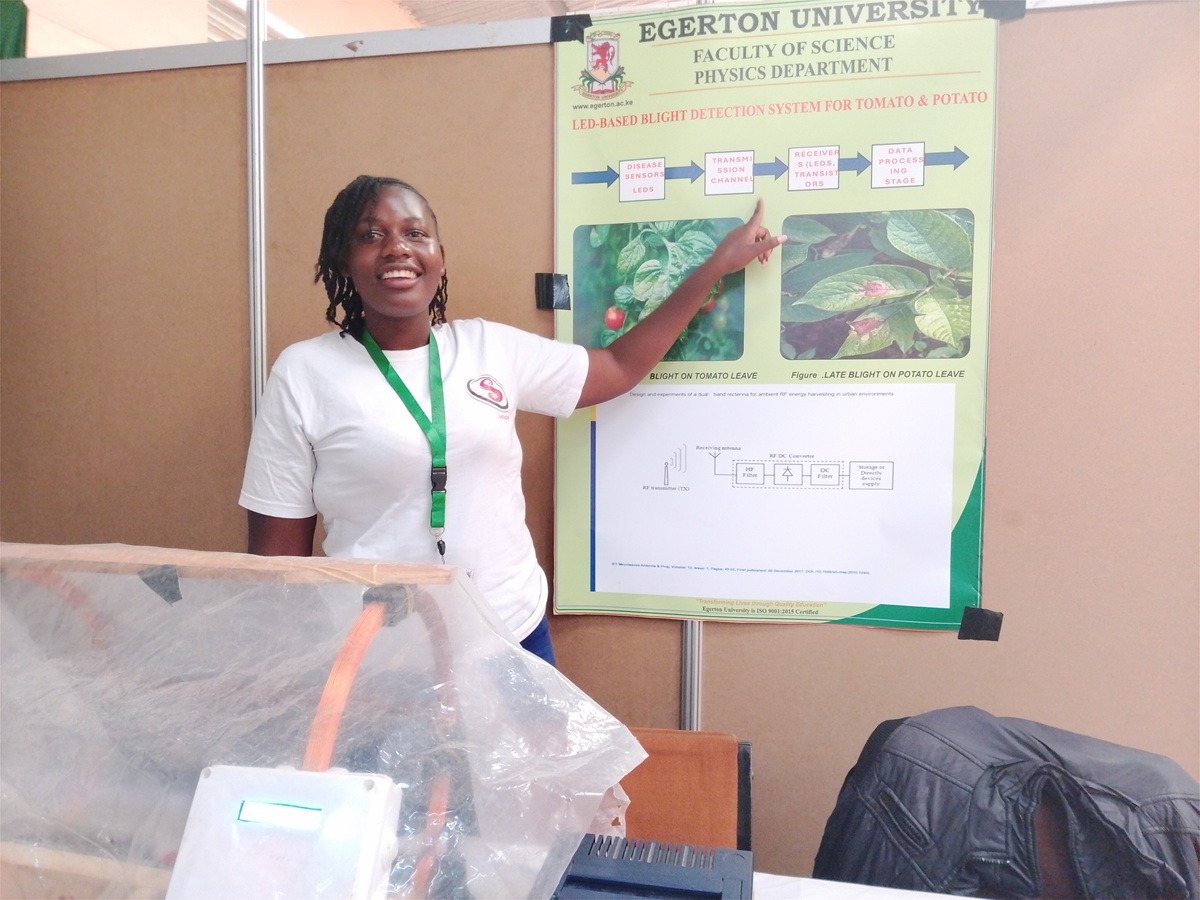
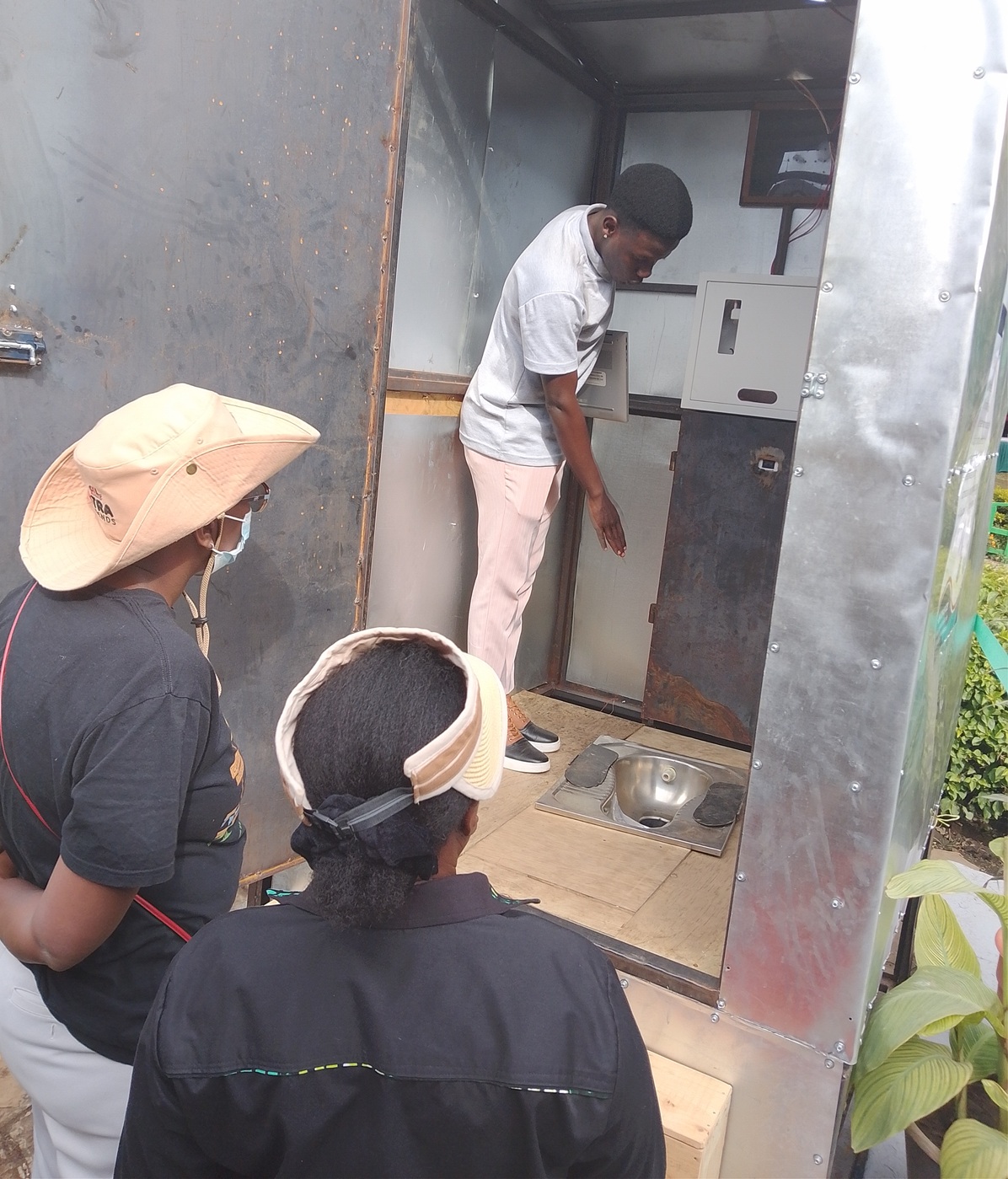
Visitors also explored the Egerloo Revolutionary Waterless Toilet, an innovation that illustrates how universities contribute beyond food production. The technology conserves water, promotes sanitation and supports circular approaches to waste management. In many rural, slum urban areas and water-stressed communities, sustainable sanitation solutions remain essential for improving public health while protecting fragile ecosystems.
Research does not end at production. It must also create value. That philosophy was evident in the university's agro-processing exhibits.
Egerton University honey attracted considerable attention for its quality and commercial appeal, highlighting the growing importance of apiculture as both a conservation and income-generating enterprise.
Equally popular was sorghum bread, developed to demonstrate how indigenous cereals can be transformed into nutritious value-added products.Sorghum is naturally drought tolerant and increasingly recognised as a climate-resilient crop capable of strengthening national food security while creating new markets for farmers and food processors.

The exhibition also celebrated institutional heritage. Members of the Egerton University Alumni Association (EUSAA), led by Chairman Dr. Richard Rop, joined the celebrations and commended the university for preserving its enduring culture of academic excellence, research integrity and public service.
Their presence and a dedicated manned Alumni Relations desk hosted by the Directorate of Marketing and Resources Mobilization reflected the strength of an alumni network that continues to support the university's mission while mentoring future generations of professionals across agriculture, education, business and public administration.
Egerton University's relationship with the Nakuru National ASK Show spans generations. Its consistent participation reflects a philosophy that knowledge achieves its greatest impact when it leaves laboratories and lecture halls to engage directly with farmers, industry and society.
Agricultural exhibitions provide an important platform where researchers receive immediate feedback from producers, while farmers gain access to emerging technologies that can improve productivity and resilience.
Ultimately, the university's success at the 2026 ASK Show was not simply a story of awards won. It was a demonstration of the indispensable role that higher education institutions play in national development.
Through interdisciplinary research, innovation, technology transfer and community engagement, Egerton University continues to shape Kenya's agricultural future.
Its exhibition reminded visitors that sustainable development begins with knowledge, but it is realised only when that knowledge is transformed into practical solutions that improve lives, strengthen food systems and build resilience for generations