




By Kurian Musa
Egerton University has hosted the Nursing Council of Kenya (NCK) for a routine compliance audit aimed at assessing the University’s nursing training facilities and ensuring that its programmes continue to meet the required regulatory standards.
The exercise, conducted yesterday, is part of the Council’s mandate to monitor institutions offering nursing education and training across the country.
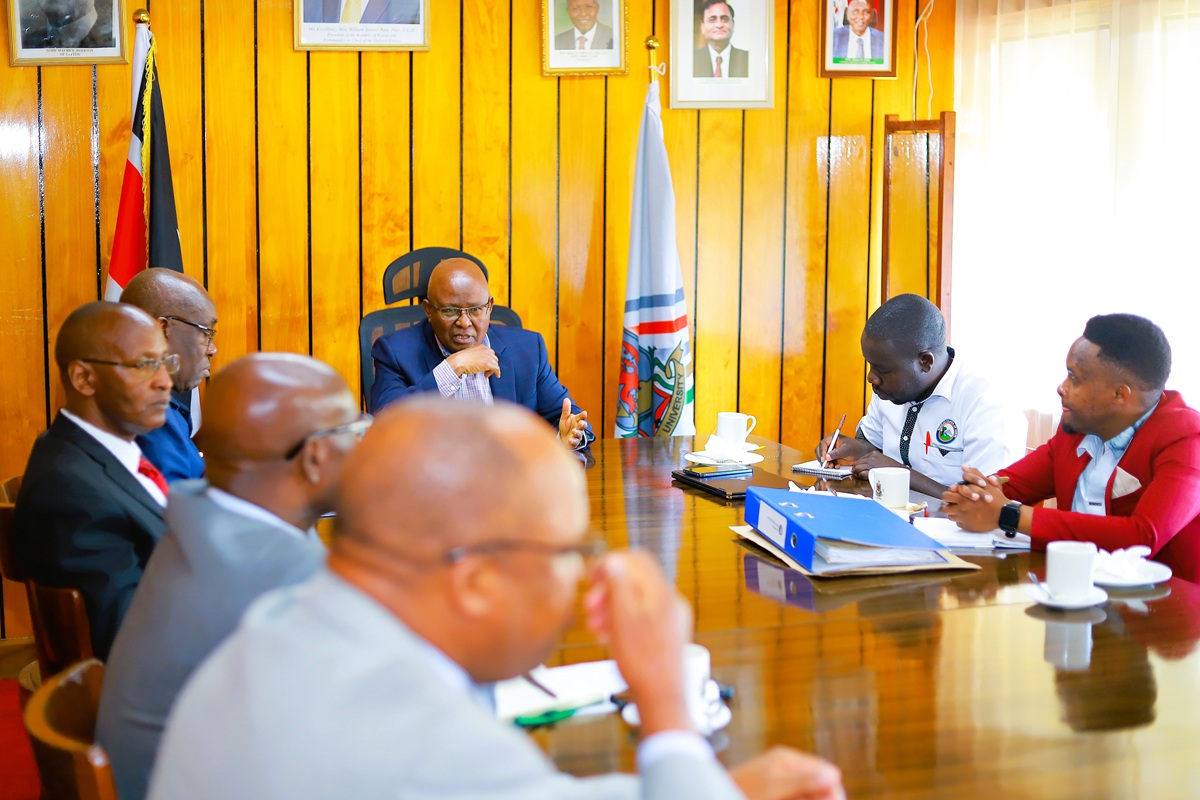 Egerton University Vice Chancellor Prof Isaac Kibwage addresses the Nursing Council of Kenya compliance audit team during a briefing at the University.
Routine compliance audits help professional regulatory bodies confirm that institutions have adequate facilities, qualified personnel and appropriate learning environments for delivering quality training.
They also provide an opportunity to identify areas that may require improvement.
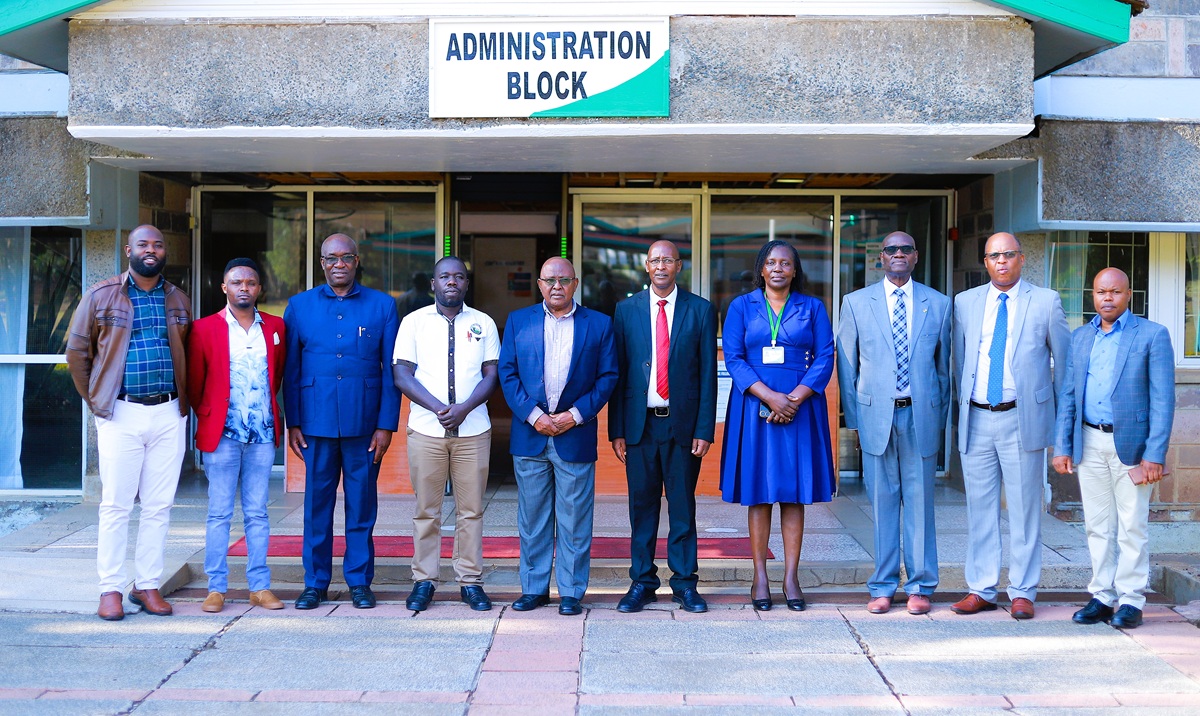
The NCK Standards and Compliance Officers (SCOs) team was led by Zablon Marosoi, accompanied by Board Members Ezekiel Munene and Madungu Cyprian.
The delegation was officially received by the University’s top management, led by Vice Chancellor , Prof. Isaac Kibwage. He was accompanied by the Deputy Vice Chancellor, Academics, Research and Extension, Prof. Bernard Aduda, and the Deputy Vice Chancellor, Administration, Finance and Planning, Prof. George Muthaa.
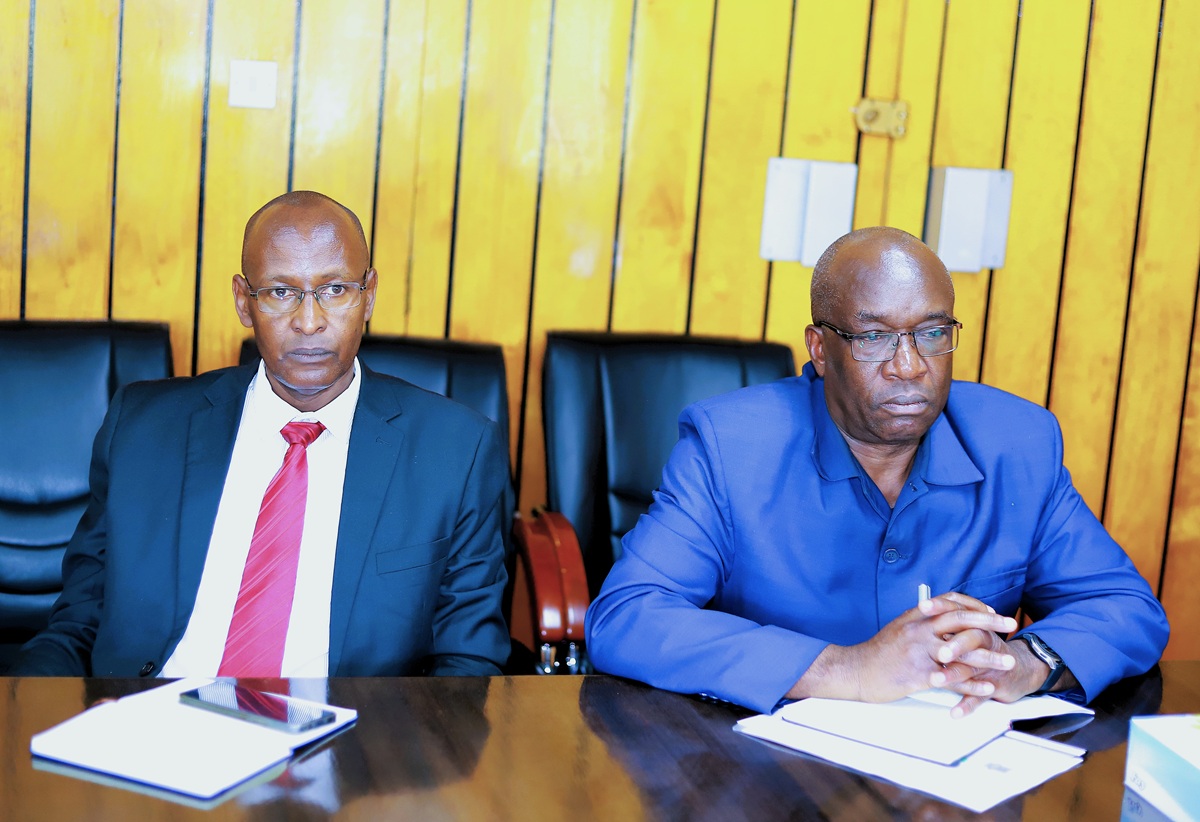 Egerton University Deputy Vice Chancellor, Academics, Research and Extension, Prof Bernard Aduda, and Deputy Vice Chancellor, Administration, Finance and Planning, Prof George Muthaa, during the briefing with the Nursing Council of Kenya compliance audit team.
During the entry briefing, the NCK team explained the importance of routine compliance audits in safeguarding the quality of professional education.
The audits enable the Council to assess whether institutions have the infrastructure, equipment and learning resources required to support effective training.
Prof. Kibwage welcomed the exercise and reaffirmed Egerton University’s commitment to academic excellence, quality assurance and compliance with the standards established by professional regulatory bodies.
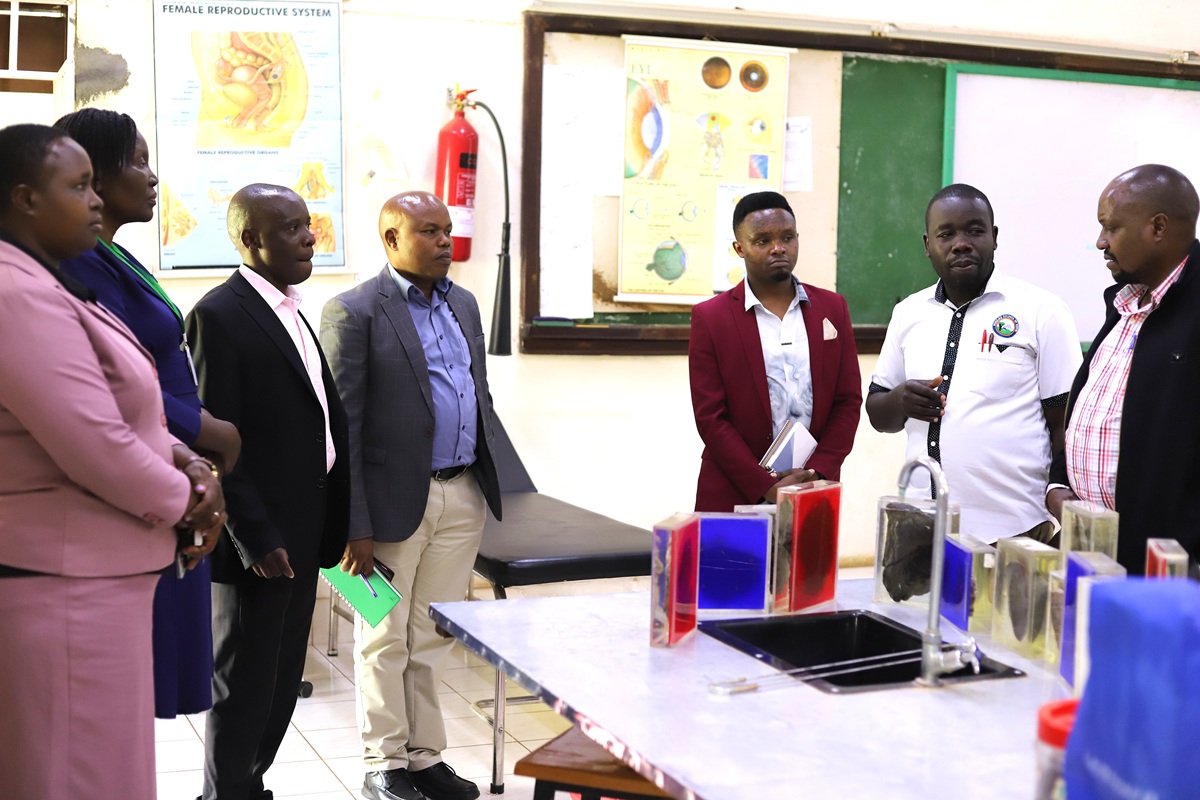 The Nursing Council of Kenya Standards and Compliance Officers interact with Egerton University staff during the inspection of facilities used for nursing education.
The Faculty of Health Sciences was strongly represented during the audit under the leadership of its Dean, Prof. Samson Obure. He was accompanied by Prof. Amos Otara, Chairperson of the Department of Reproductive Health; Ms. Alice Matanga, Chairperson of the Department of Nursing; Mr. Noah Mbunya, Lecturer in the Department of Nursing; and Ms. Christine Simiyu, Lecturer and In-charge of Community Health Nursing.
The representation provided a light moment during the proceedings.
The Principal of the City Campus College, Prof. George Ogendi, was away and was represented by Prof. Obure. Prof. Obure was, in turn, represented in his departmental capacity by Prof. Otara. The unique arrangement drew some humour from those present, while also demonstrating the faculty’s commitment to ensuring that the audit proceeded smoothly.
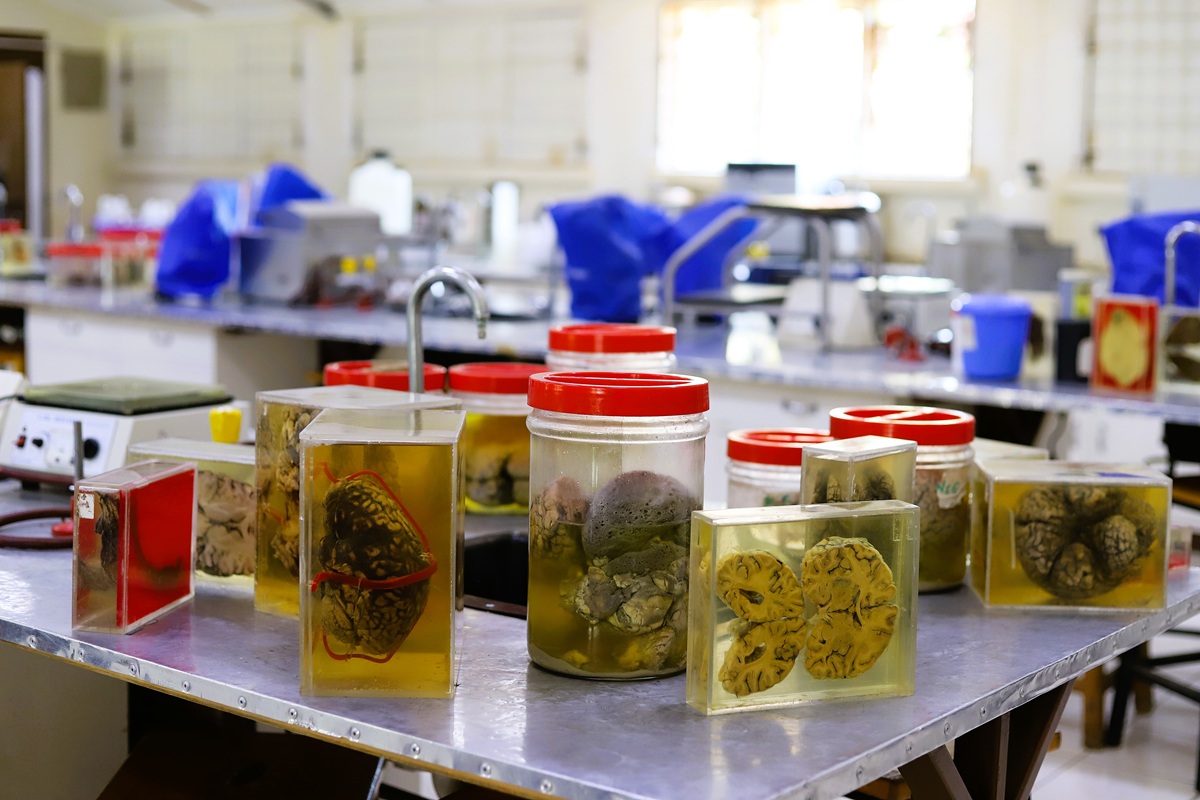 The compliance audit team inspects the Physiology Laboratory, where nursing students undertake practical learning as part of their training.
Following the entry briefing, the NCK delegation undertook an extensive inspection of key facilities used in the training of nursing students.
The team visited the Anatomy Laboratory, where students learn about the structure of the human body, including organs, tissues and body systems.
A strong foundation in anatomy is essential for nursing students because it enables them to understand the location and structure of body parts and relate this knowledge to patient assessment and care.
The delegation also inspected the Physiology Laboratory, which supports the study of how the human body functions. Through physiology, students learn how different body systems operate under normal conditions.
This understanding is essential in helping them recognise changes that occur when a patient develops an illness or other medical condition.
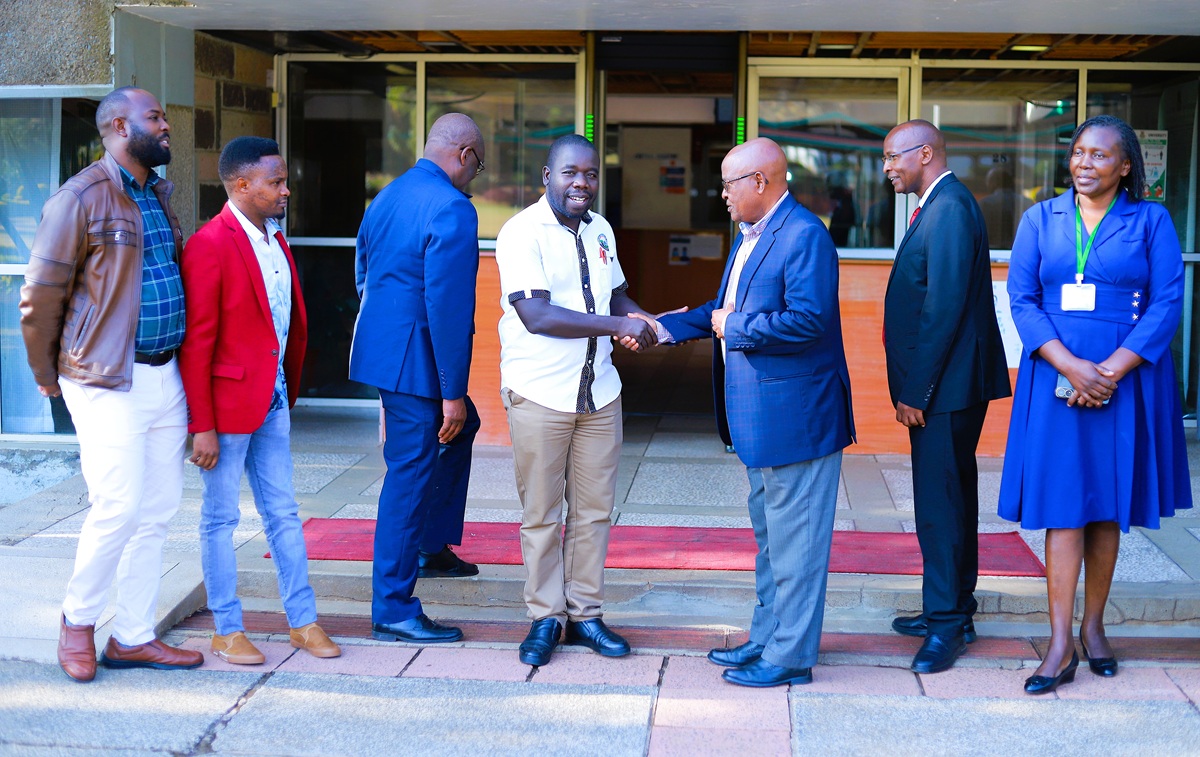 Egerton University management and Faculty of Health Sciences representatives engage the Nursing Council of Kenya Standards and Compliance Officers during the routine audit.
The Pathology Laboratory was another key facility visited by the team. Pathology helps students understand the processes through which diseases develop and affect the body.
The laboratory therefore links theoretical knowledge with an understanding of disease conditions, helping students appreciate how changes in body tissues and organs can lead to illness.
The team further visited the Nursing Skills Laboratory, an important facility for practical training. The laboratory provides students with a controlled environment in which they can learn and practise essential nursing procedures before applying their skills in real clinical settings.
It helps students develop technical competence, confidence and the ability to provide safe and effective patient care.
The inspection enabled the Council to assess the adequacy of the University’s learning infrastructure and the capacity available for practical instruction. It also provided an opportunity to evaluate whether the facilities support the number of students enrolled in the nursing programme.
During the feedback session, NCK team leader Zablon Marosoi commended Egerton University for its level of compliance.
He particularly noted the favourable student-to-facility ratios, observing that the available resources and laboratory capacities were aligned with the Council’s standards for practical nursing instruction.

The positive feedback reflected the University’s continued commitment to quality training and regulatory compliance.
Adequate learning facilities are critical in preparing nursing students to transition from classroom instruction to clinical practice with the knowledge, skills and confidence required in healthcare settings.
The routine audit forms part of the Nursing Council of Kenya’s ongoing mandate to monitor and assess nursing training institutions across the country.
Through such exercises, the Council seeks to ensure that nursing students are trained in institutions with appropriate facilities, resources and learning environments.
For Egerton University, the audit provided an opportunity to demonstrate its continued investment in quality professional training.
The compliance inspection session also reaffirmed the University’s commitment to producing competent healthcare professionals capable of contributing to the delivery of safe and quality healthcare in Kenya and beyond.