

By Musa Kurian and John Emeripus
Egerton University, Njoro — October 14, 2026
The Commission for University Education (CUE) has signaled a shift in how higher education regulation intersects with institutional creativity, expressing its commitment to partner with Egerton University in identifying and promoting innovative practices that can be adopted across Kenya's university network.
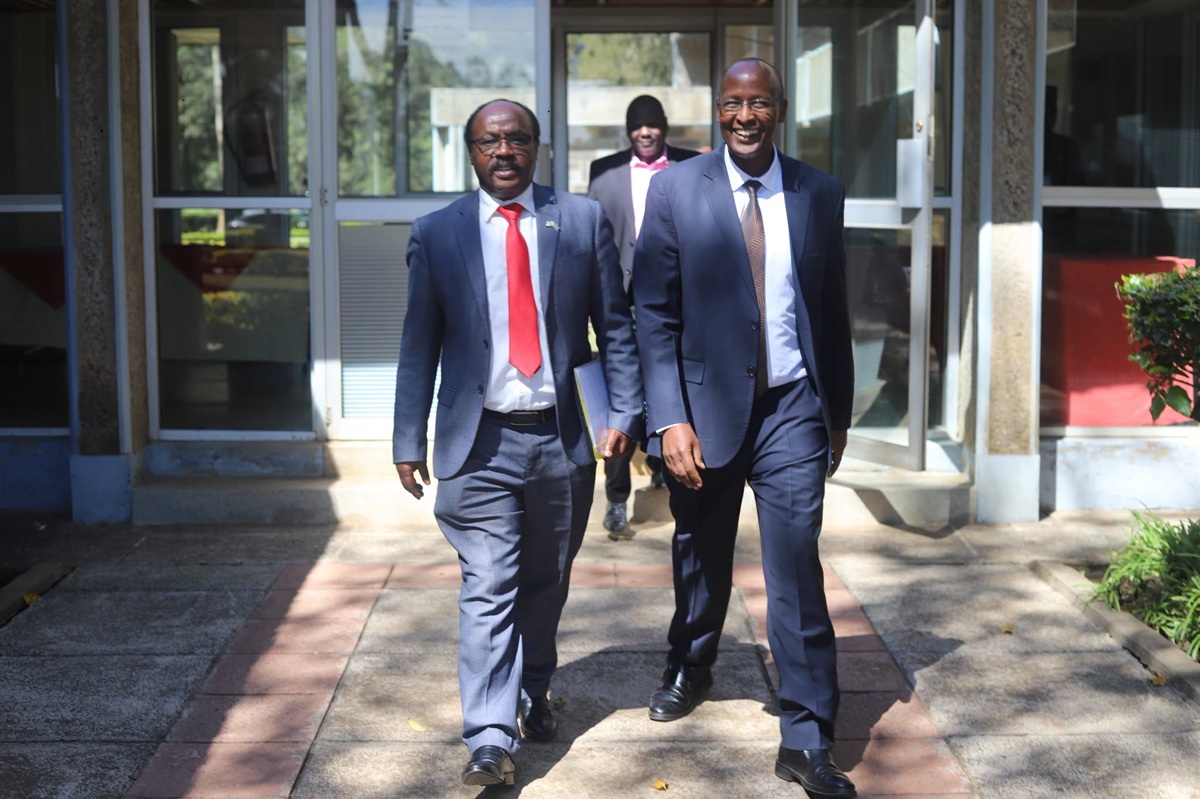
The pledge came during a courtesy visit to Egerton’s management by CUE Chief Executive Officer Prof. Mike Kuria ahead of the three-day Artificial Intelligence (AI) in Higher Education Summit at the Njoro Main Campus. Prof. Kuria, attending as a keynote speaker, told administrators that the regulator is eager to learn from universities and champion successful localized solutions to elevate higher education quality nationwide.
He urged institutions to look beyond legacy structures and submit proven methods to CUE for potential national replication, emphasizing that valuable breakthroughs should not remain siloed within individual campuses.
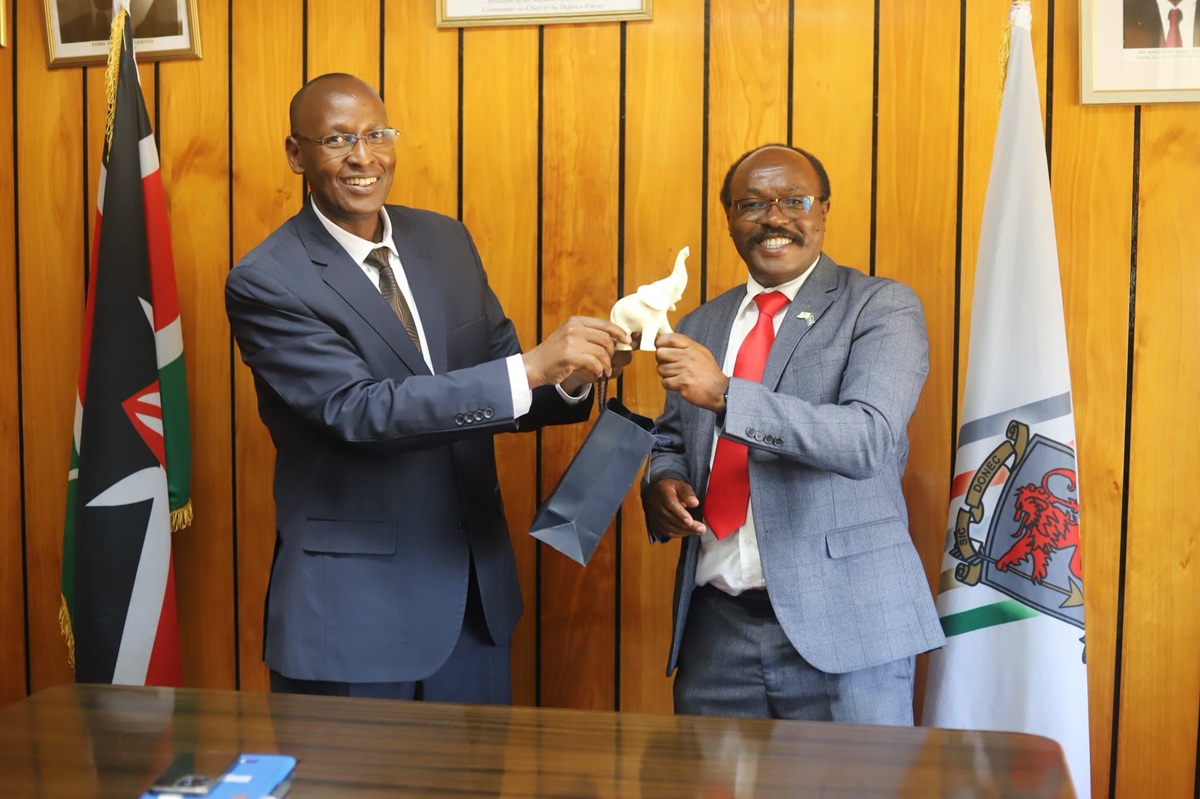
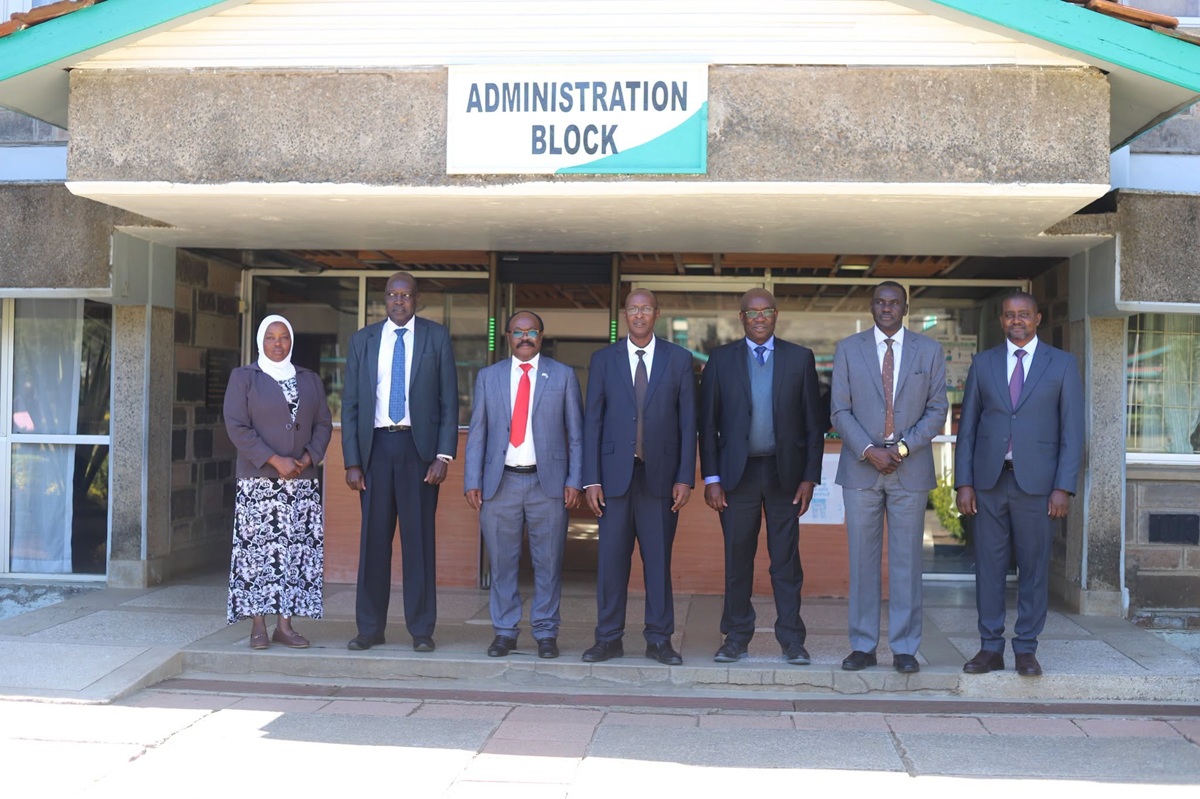
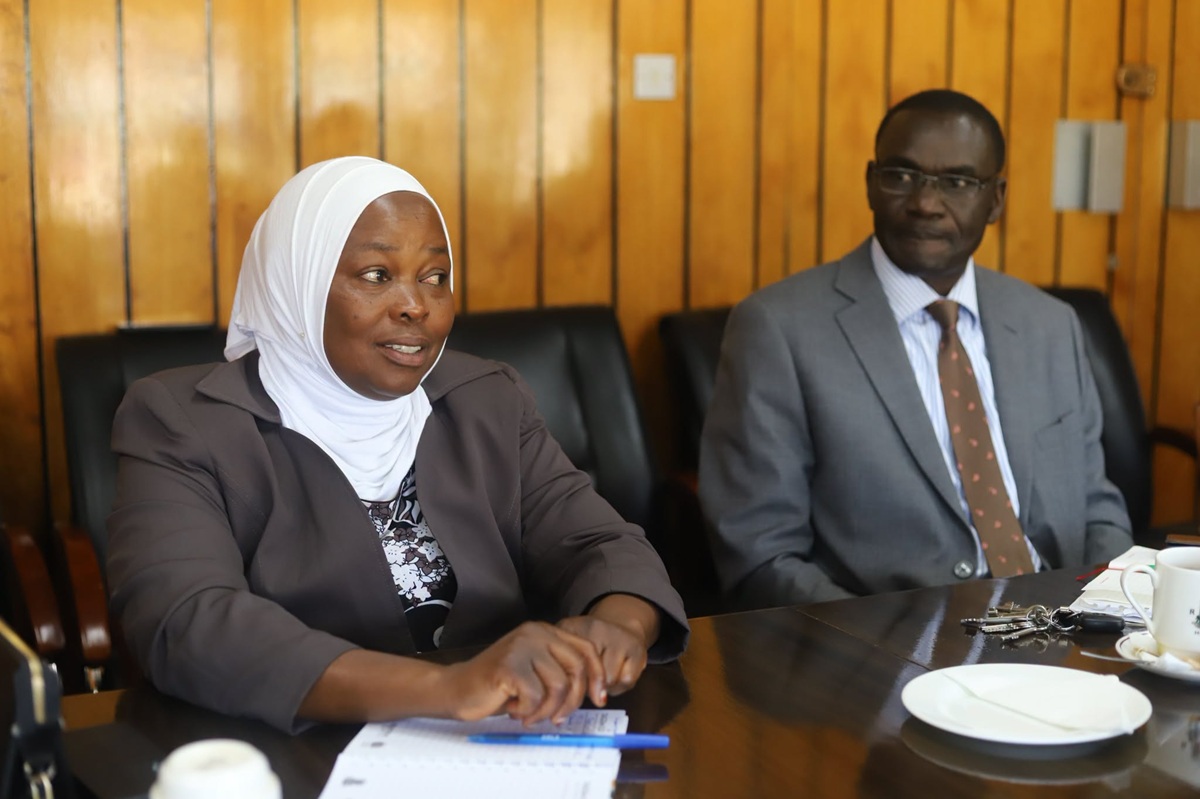
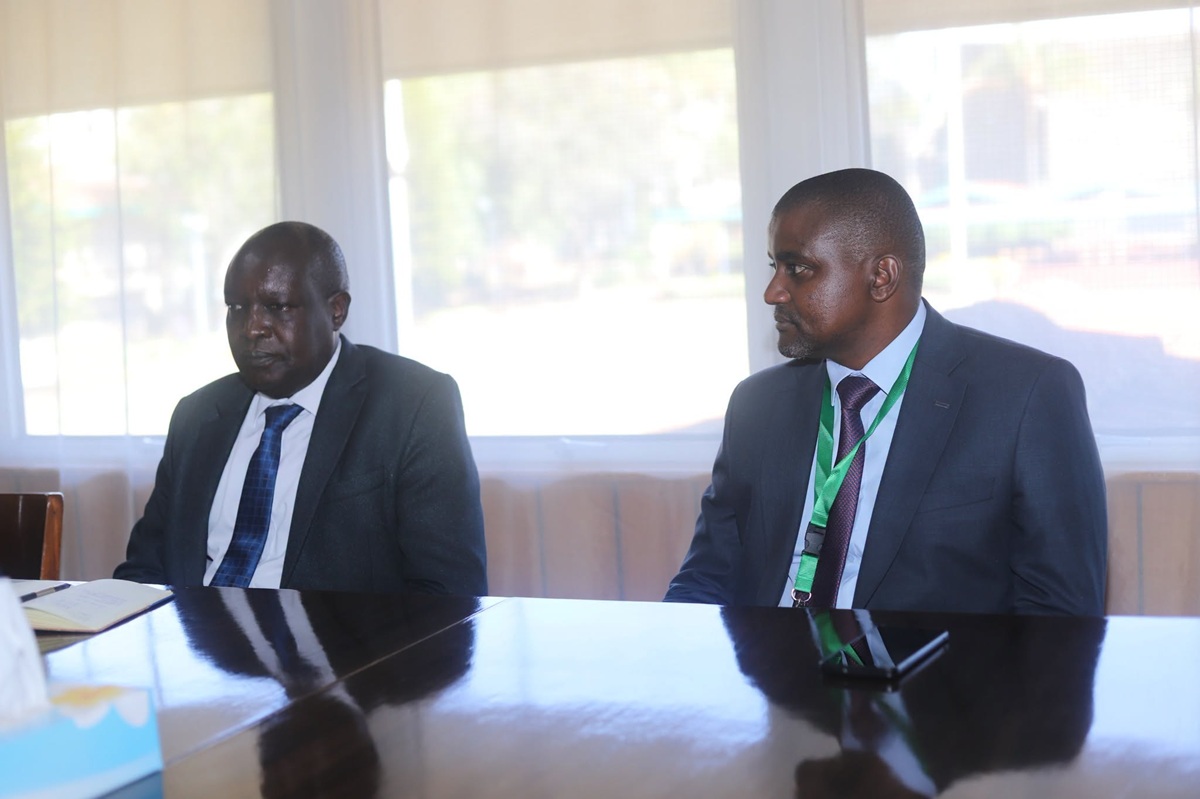
The executive dialogue took place at the Vice-Chancellor’s Boardroom, where Prof. Kuria was received by Acting Vice-Chancellor Prof. George Muthaa alongside top university officials. The delegation included Deputy Vice-Chancellor for Academics, Research and Extension Prof. Bernard Aduda; Ag. Deputy Vice-Chancellor for Administration, Finance and Planning Prof. Julius Kipkemboi; Director of Research Prof. George Owuor; Registrar of Academic Affairs Prof. Mwanarusi Saidi; and Director of ICT Dr. Moses Thiga.
The engagement offered a timely exchange on leadership, quality assurance, and technology's role in modern academia. During the meeting, Prof. Saidi recognized the regulatory body’s collaborative support in strengthening academic programs. Prof. Kuria responded with reflections on leadership dynamics, cautioning against the belief that senior leaders hold all the answers.
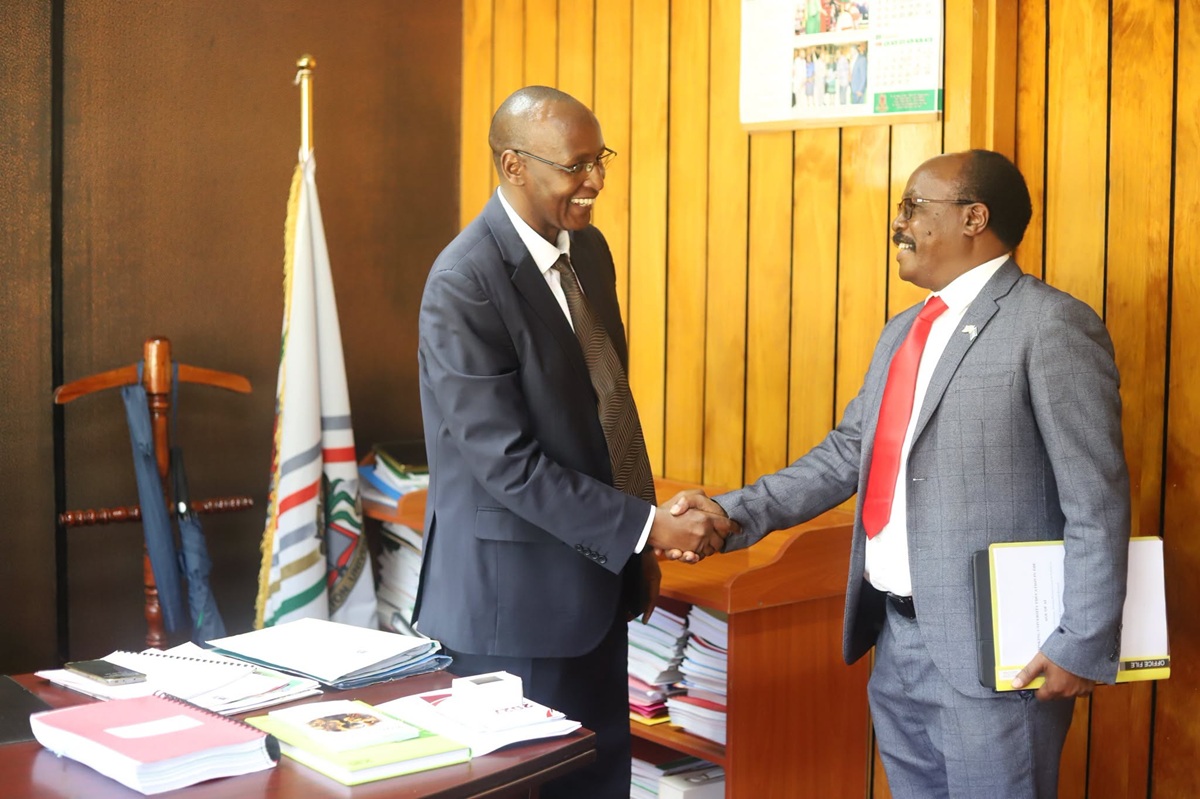
He stressed that executive appointments require humility and an active openness to tapping the vast internal expertise of campus professionals.
Prof. Kuria also introduced a notable policy imperative by advocating for flexible academic credit transfers and the recognition of prior learning. He urged universities to focus on verifiable competencies rather than time spent sitting in classrooms.
Citing Makerere University as an example, he argued that a student who completes two years of verified study should be able to transfer smoothly to Egerton University once equivalency is established. Where learners demonstrate mastery of required learning outcomes, repeating coursework creates unnecessary barriers to student mobility.
The discussions set the stage for the opening of Egerton’s AI Summit, themed "Governing GenAI for Competency-Based Higher Education".
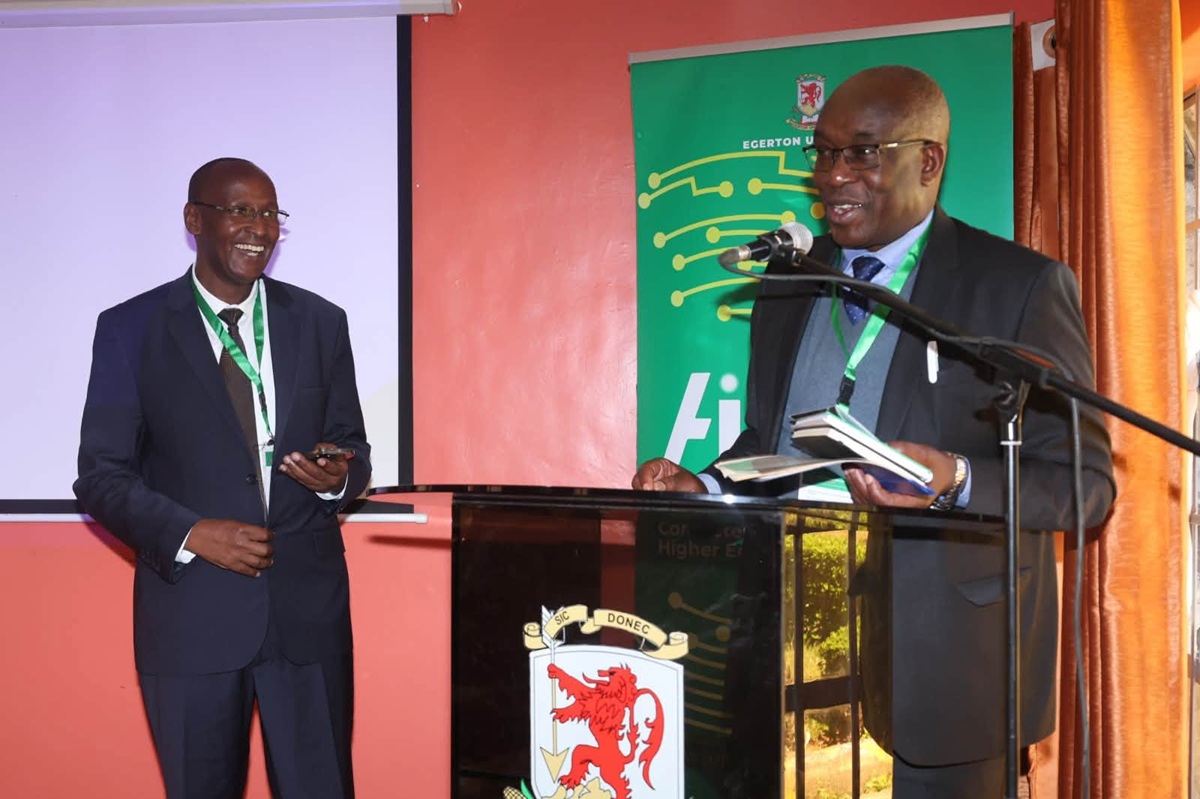
Officially opening the summit, Ag. Vice-Chancellor Prof. George Muthaa described the event as a critical forum for navigating how AI is reshaping teaching, research, and governance. Running through October 16, the summit convenes scholars, policymakers, and innovators to formulate a draft institutional policy guiding generative AI use while safeguarding academic integrity.
Expanding on the initiative, Prof. Bernard Aduda called for proactive, structured guidelines to manage generative AI. He warned against organic or informal adoption, stressing that universities must take the lead in setting expectations around acceptable use, attribution, and student accountability to protect the credibility of academic qualifications.
Together, the bilateral meeting and summit highlight a shared focus between CUE and Egerton University: guiding technological change through collaborative governance and clear policy frameworks.